
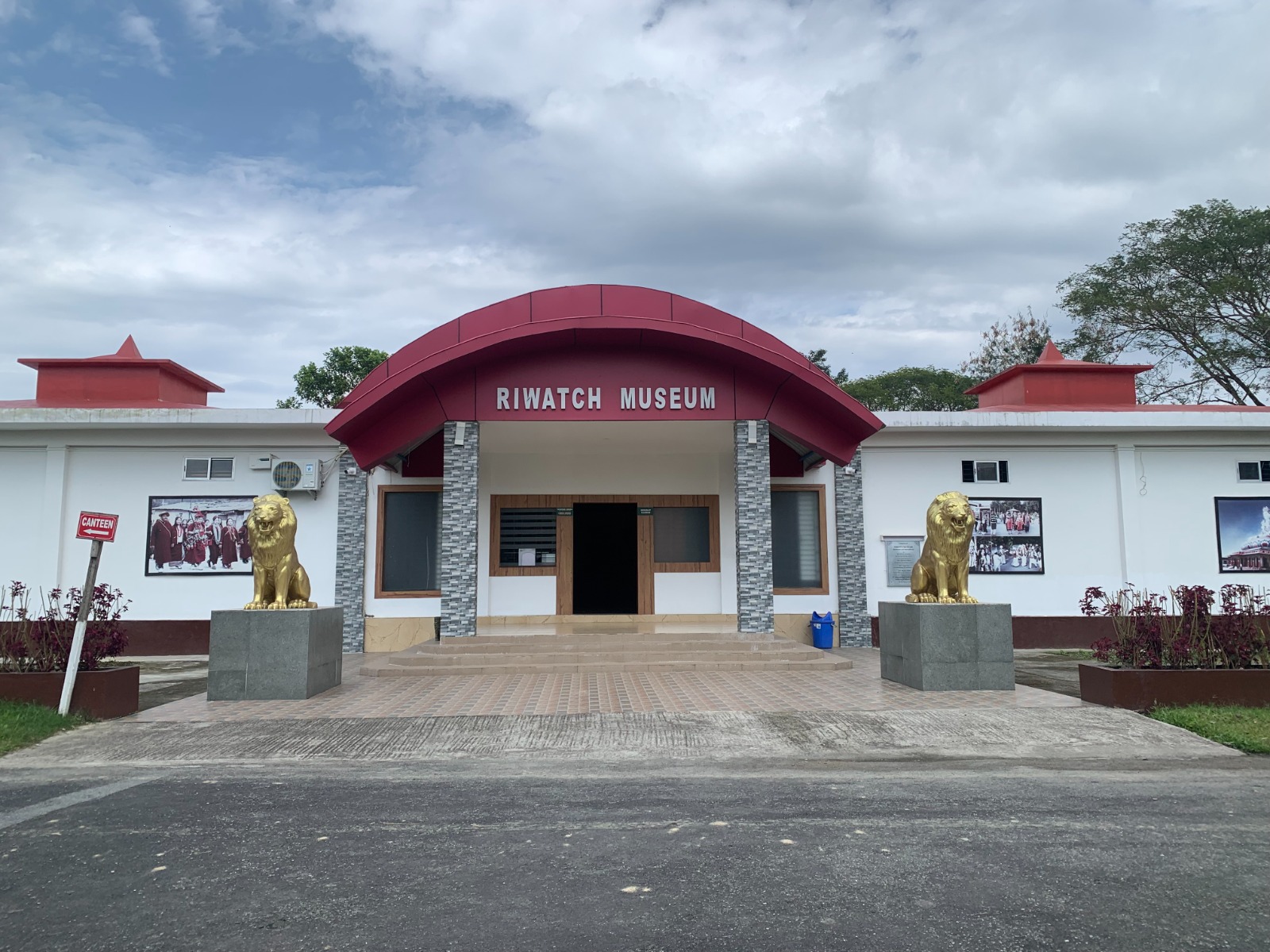
RIWATCH – The People’s Museum
The Research Institute of World’s Ancient Traditions, Culture and Heritage (RIWATCH) Museum, located in Roing, Arunachal Pradesh, offers a deeply enriching and immersive insight into the cultural life of Northeast India, with particular emphasis on Arunachal Pradesh. Situated amidst the serene landscape of Khinjili village, the museum functions not merely as a repository of artefacts but as a dynamic centre for cultural learning, preservation, and research.
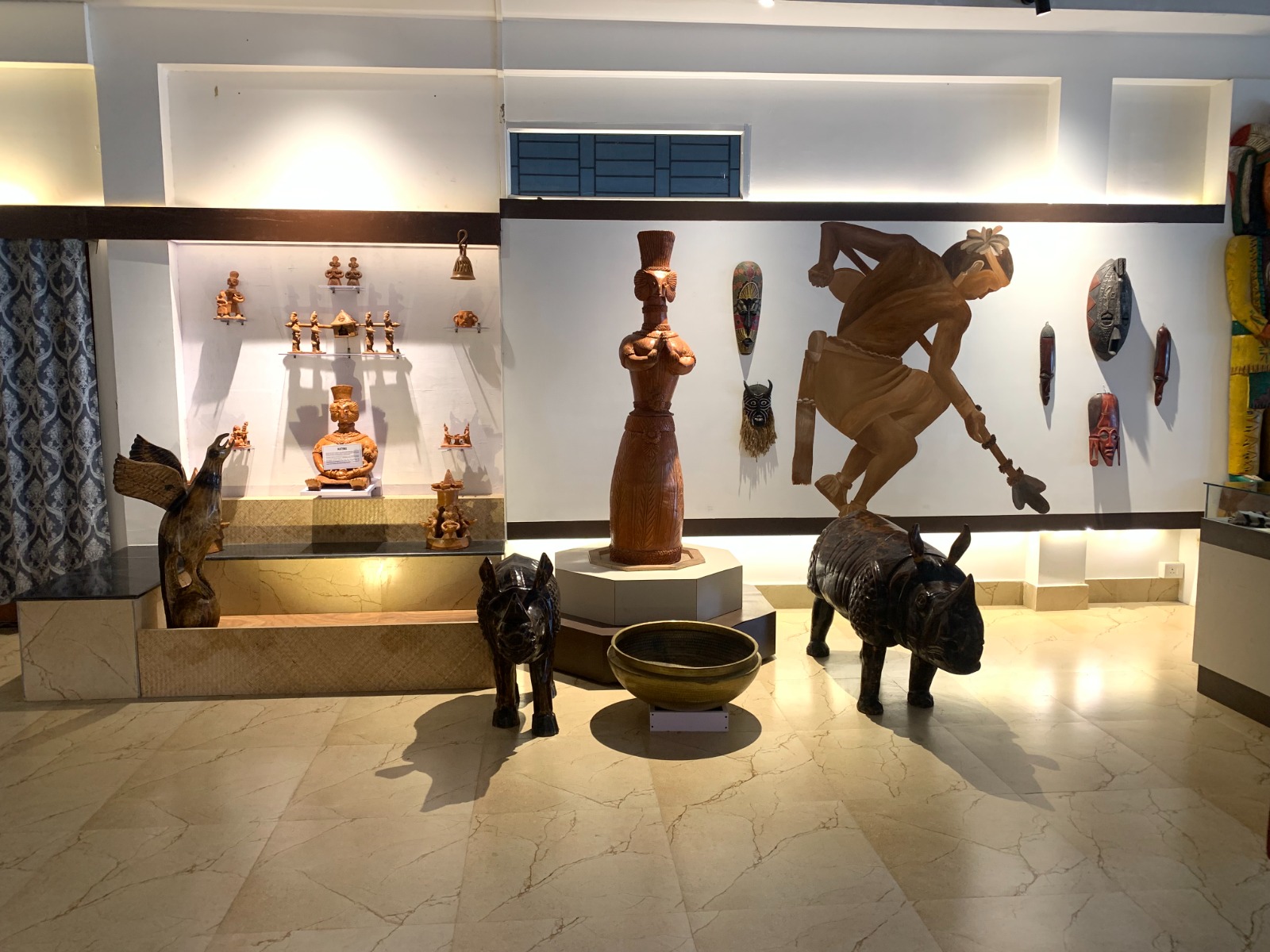
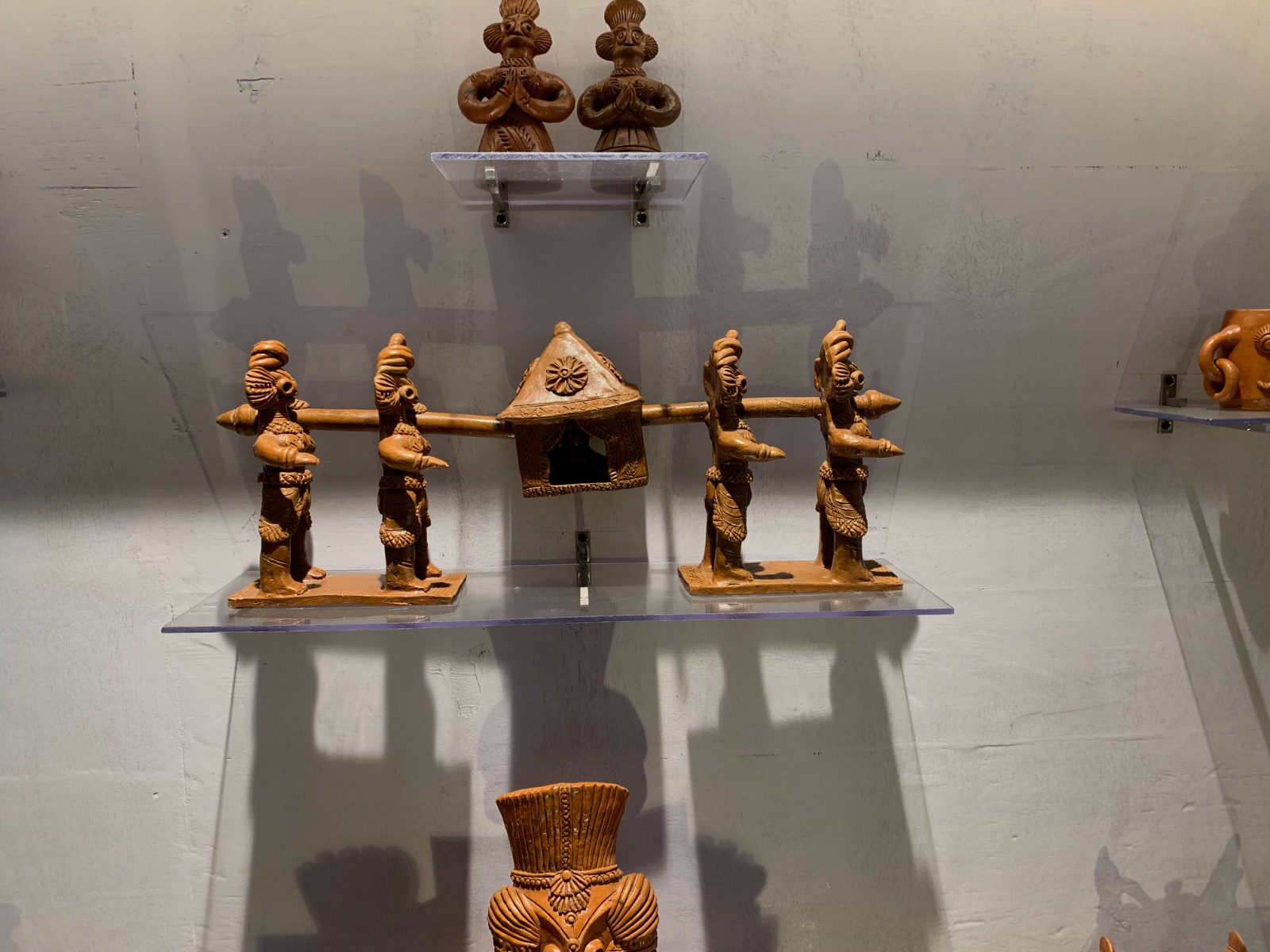
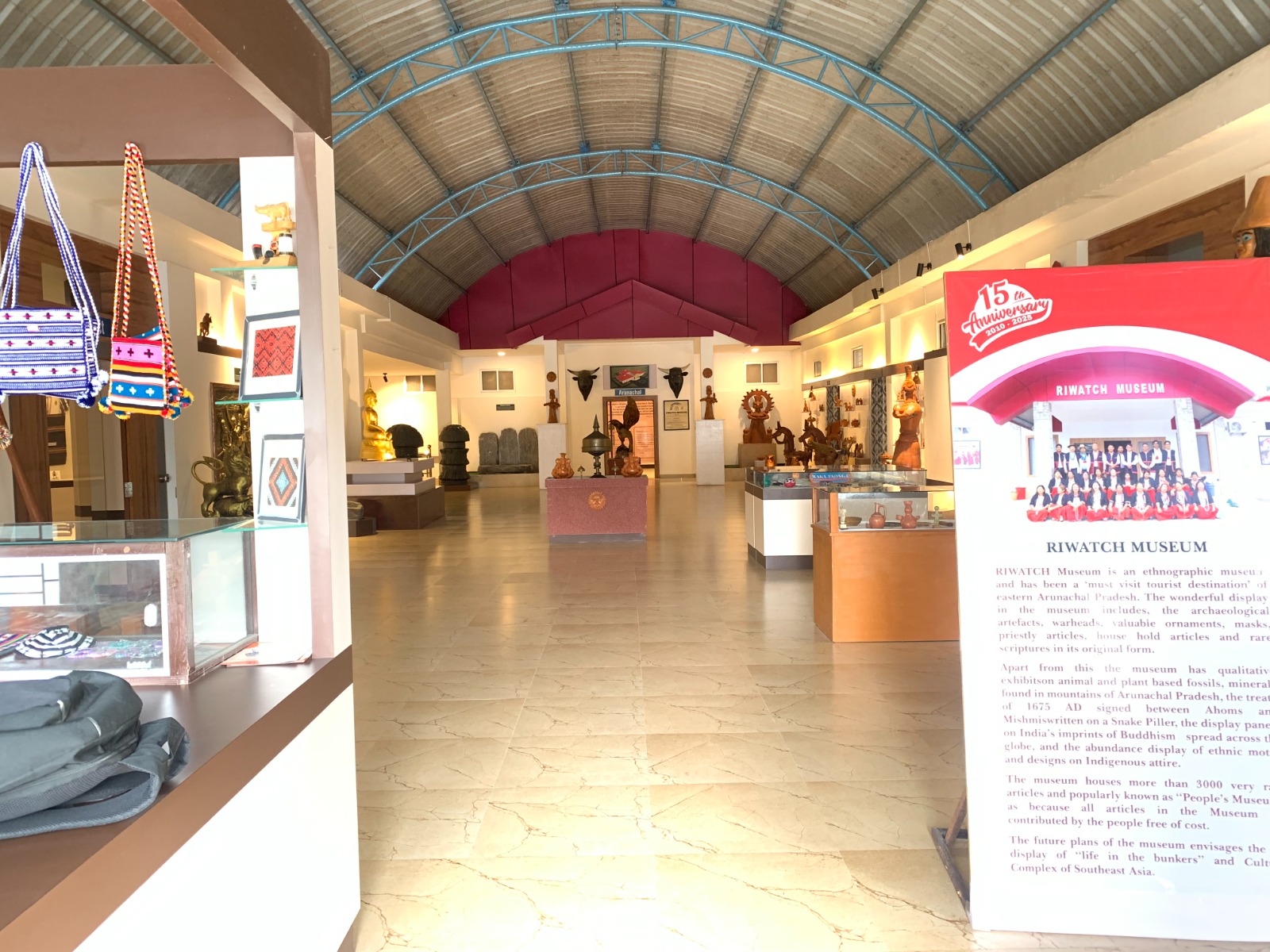
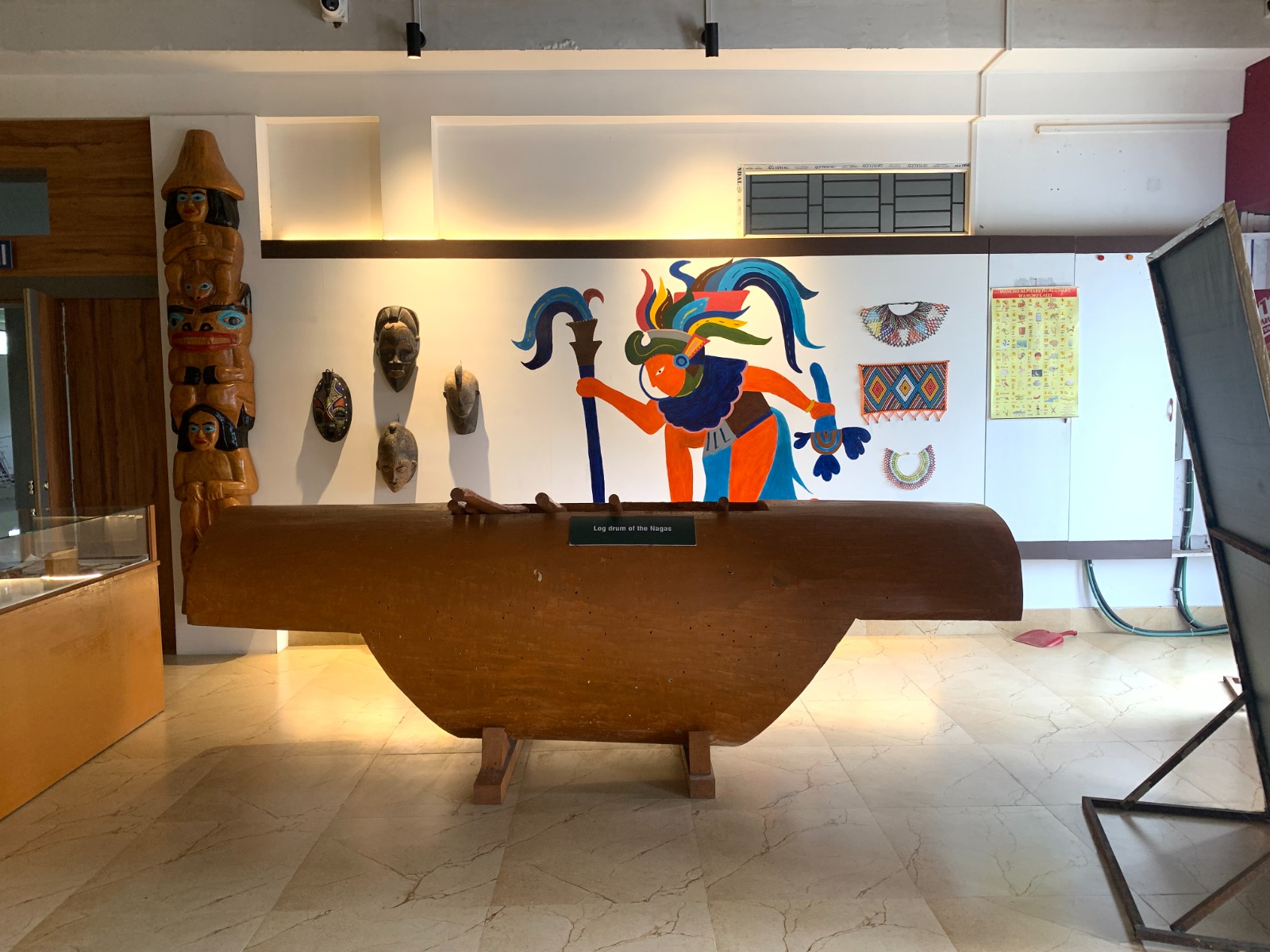
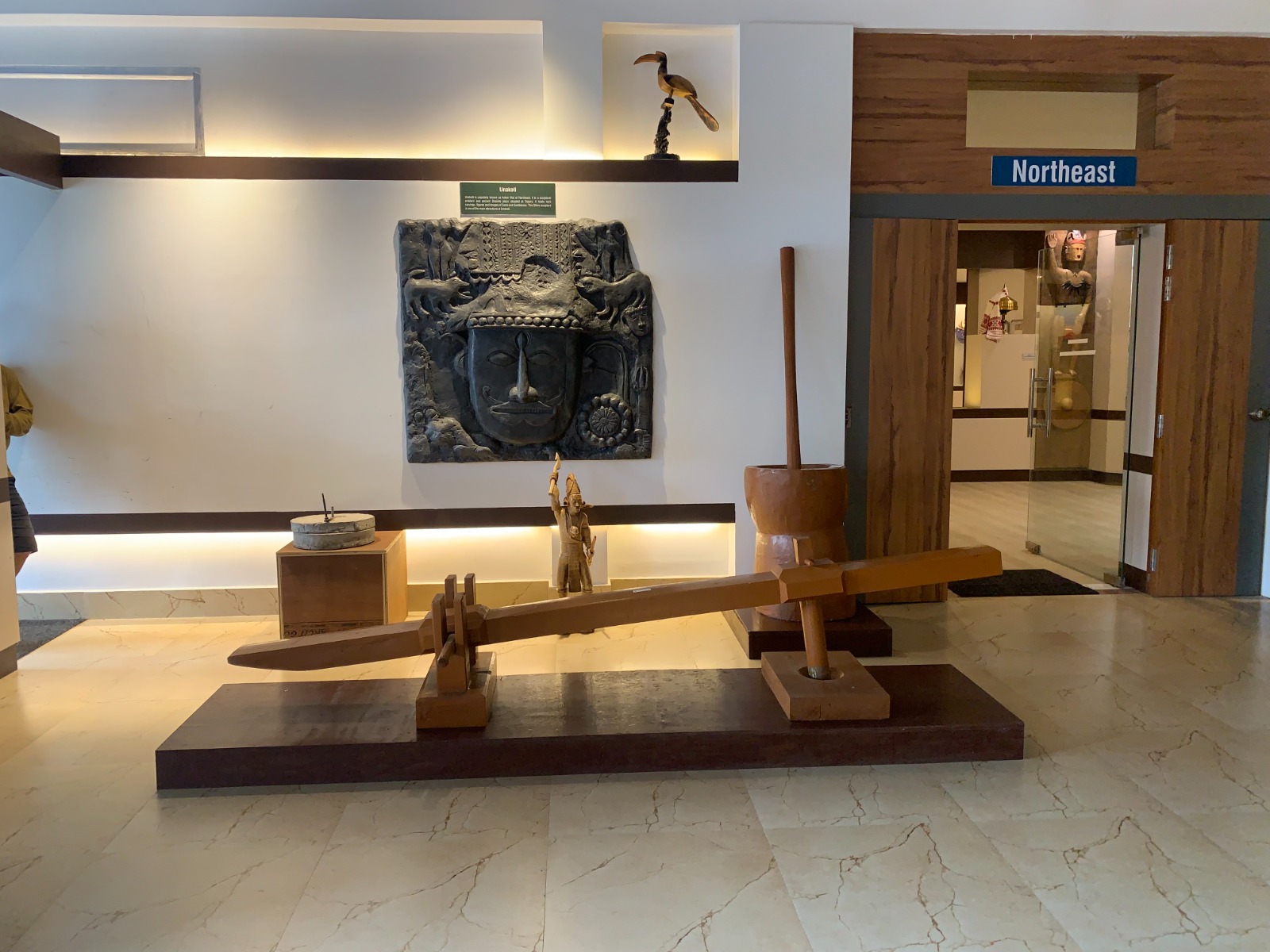
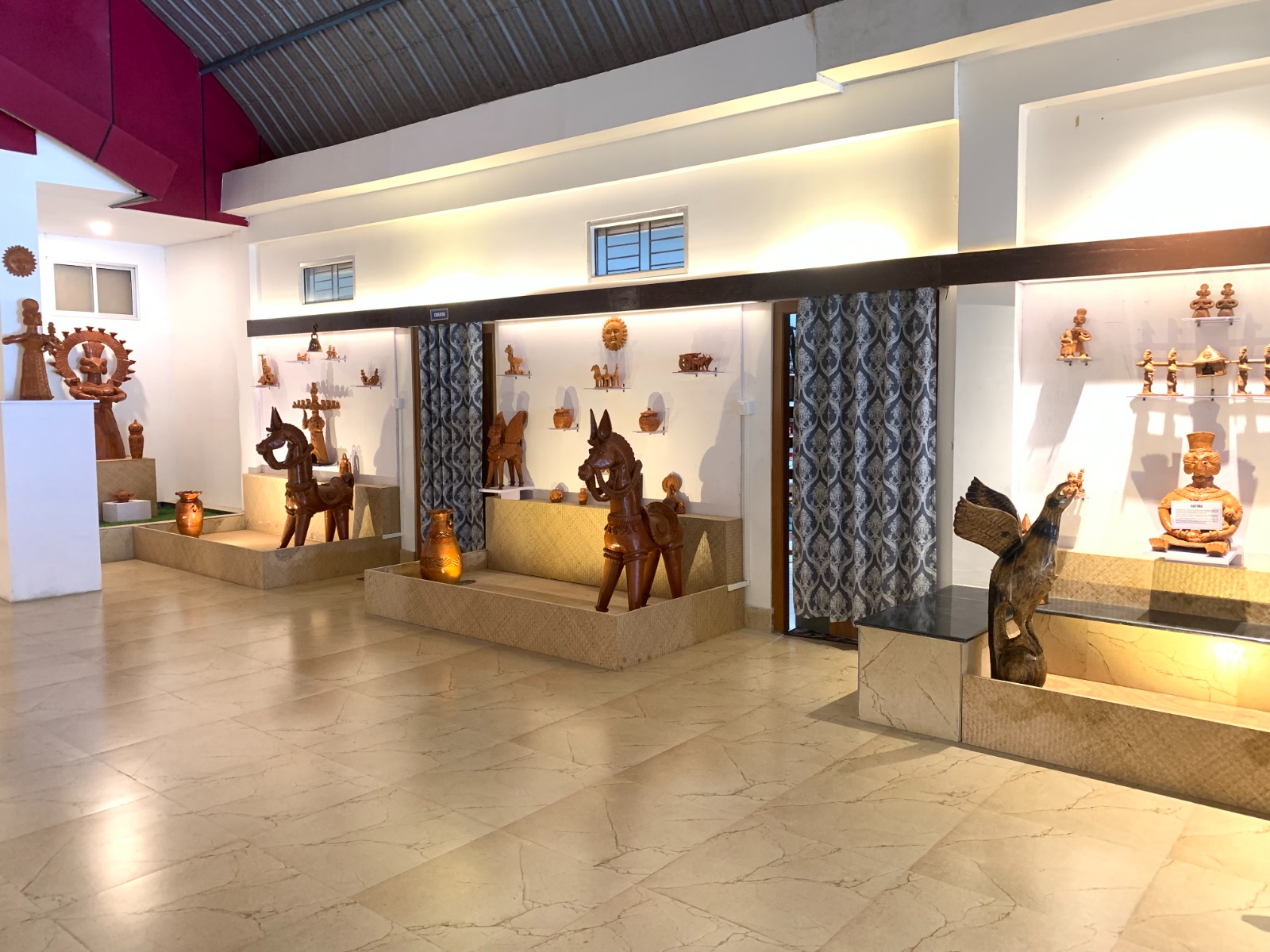
Established in 2017, the RIWATCH Museum is a distinctive ethnographic institution that houses a remarkable collection of objects contributed voluntarily and free of cost by local communities, hence its recognition as “The People’s Museum”. The collections include traditional tools, textiles, ornaments, ritual objects, and everyday items that reflect the lived experiences and indigenous knowledge systems of diverse tribal communities. The museum is thoughtfully curated, employing interpretive narratives and display strategies that transcend static exhibition, thereby creating an engaging and pedagogically rich environment for students, researchers, and general visitors.
The museum is organised into multiple thematic sections. The first section is dedicated to Arunachal Pradesh and presents the region’s rich cultural diversity through material culture and visual storytelling. This gallery includes manuscripts and collections of Buddhist teachings (notably contributions associated with His Holiness the Dalai Lama), artefacts from the archaeological site of Bhismaknagar, and ornaments and textiles representing various ethnic communities of the state. Additionally, numismatic collections further enhance the historical depth of the display.
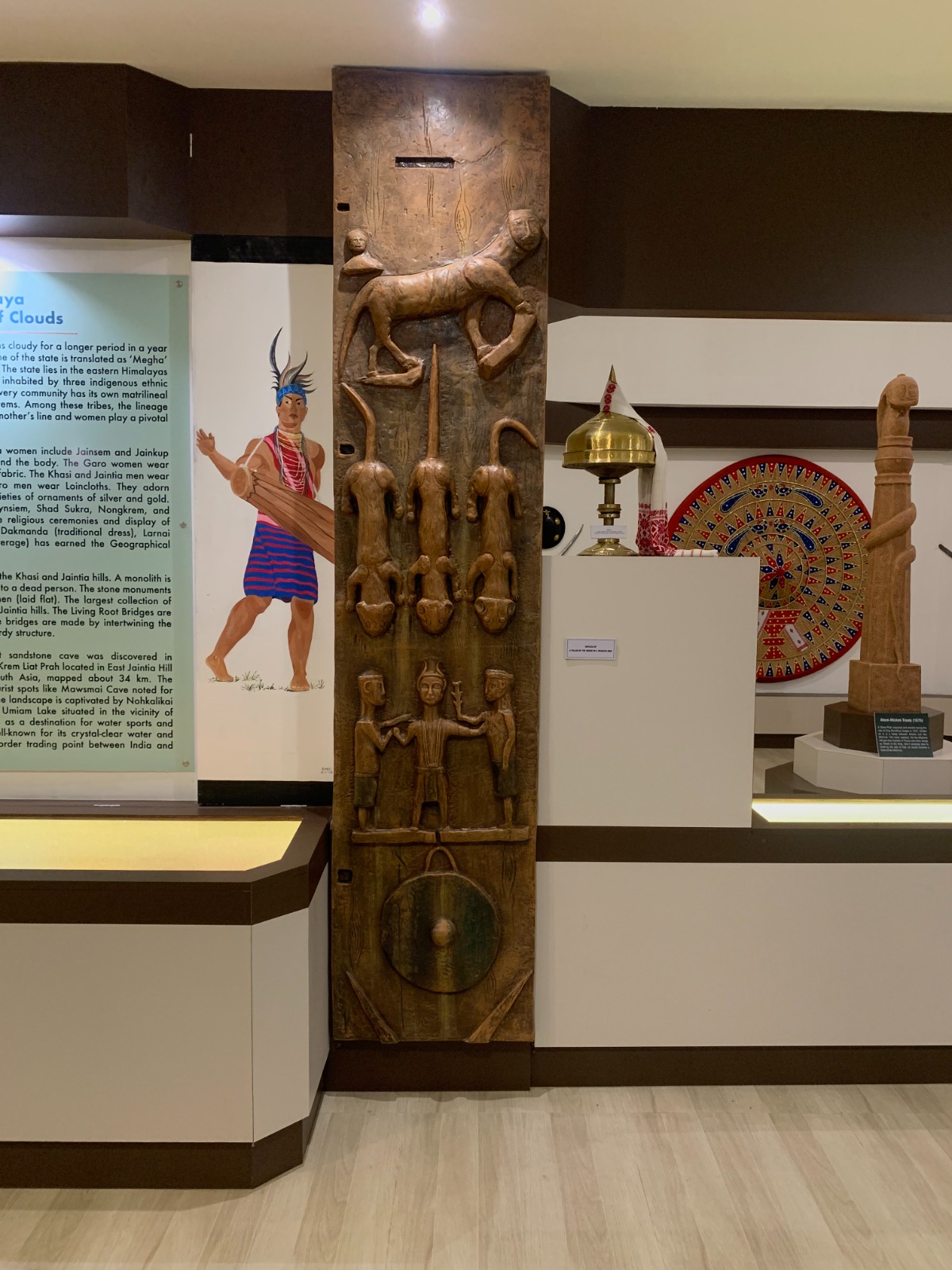
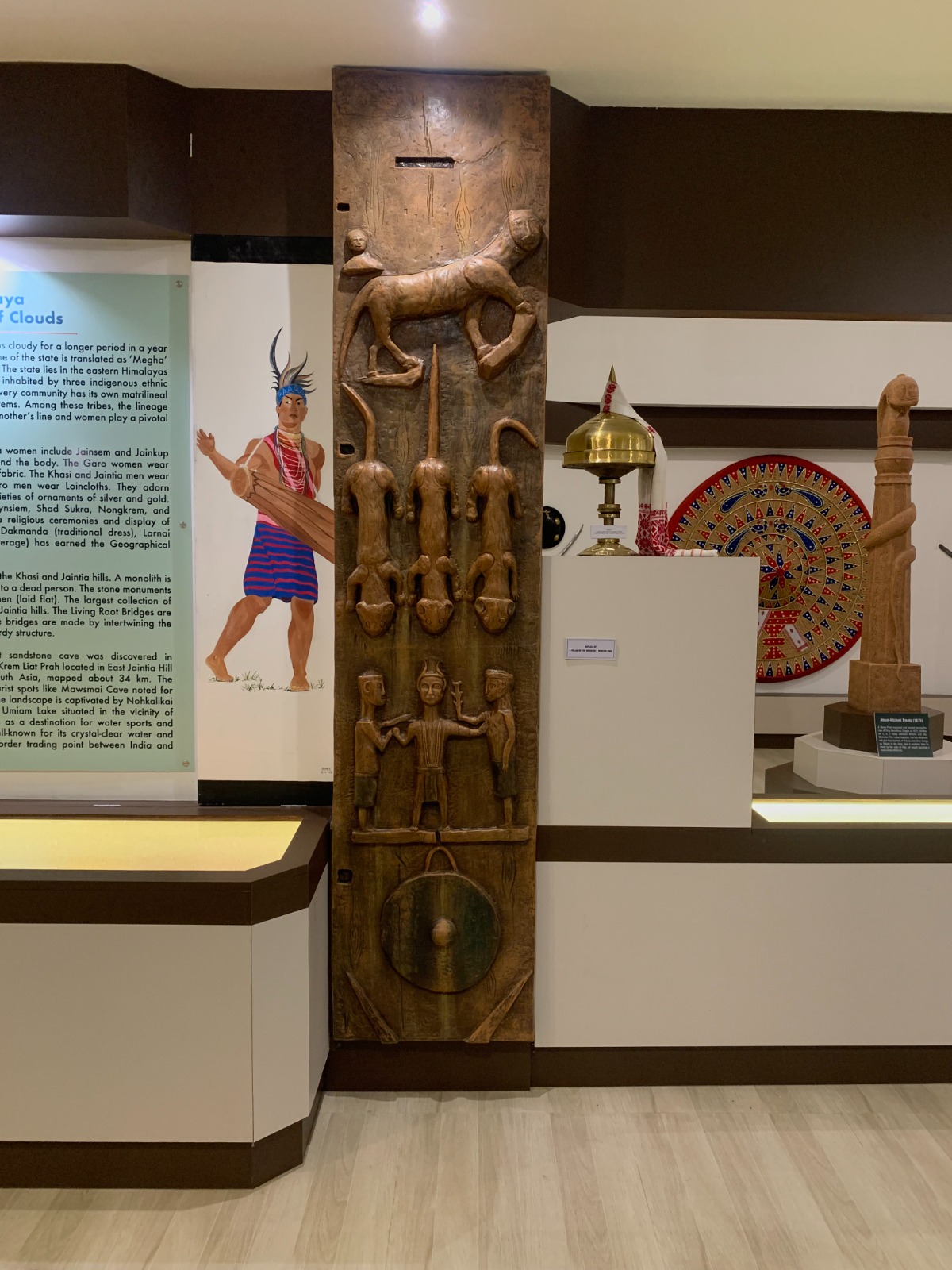
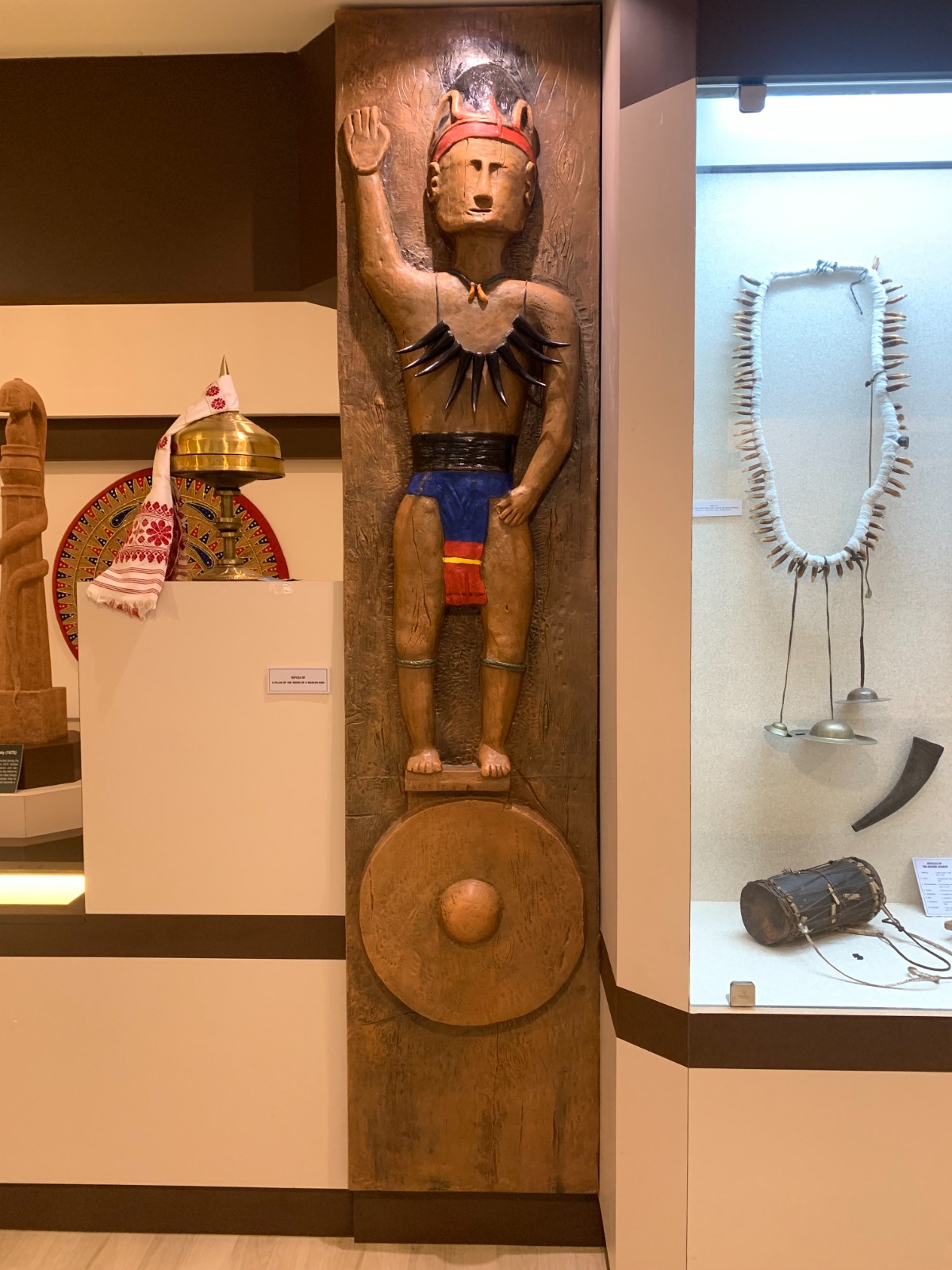
The second section expands this perspective to the broader Northeast region, drawing cultural and historical connections across communities. Among the notable exhibits are a replica of the 1675 treaty between the Ahoms and the Mishmi inscribed on a snake pillar, a significant collection of Himalayan plant and animal fossils, war implements, masks, and other objects that collectively reflect the region’s rich and layered cultural traditions.
A particularly compelling component of the museum is the International Block, currently under development, which seeks to highlight shared cultural values and affinities among indigenous communities worldwide. This section is conceptually grounded in the philosophy of Vasudhaiva Kutumbakam—the idea of the world as one family.
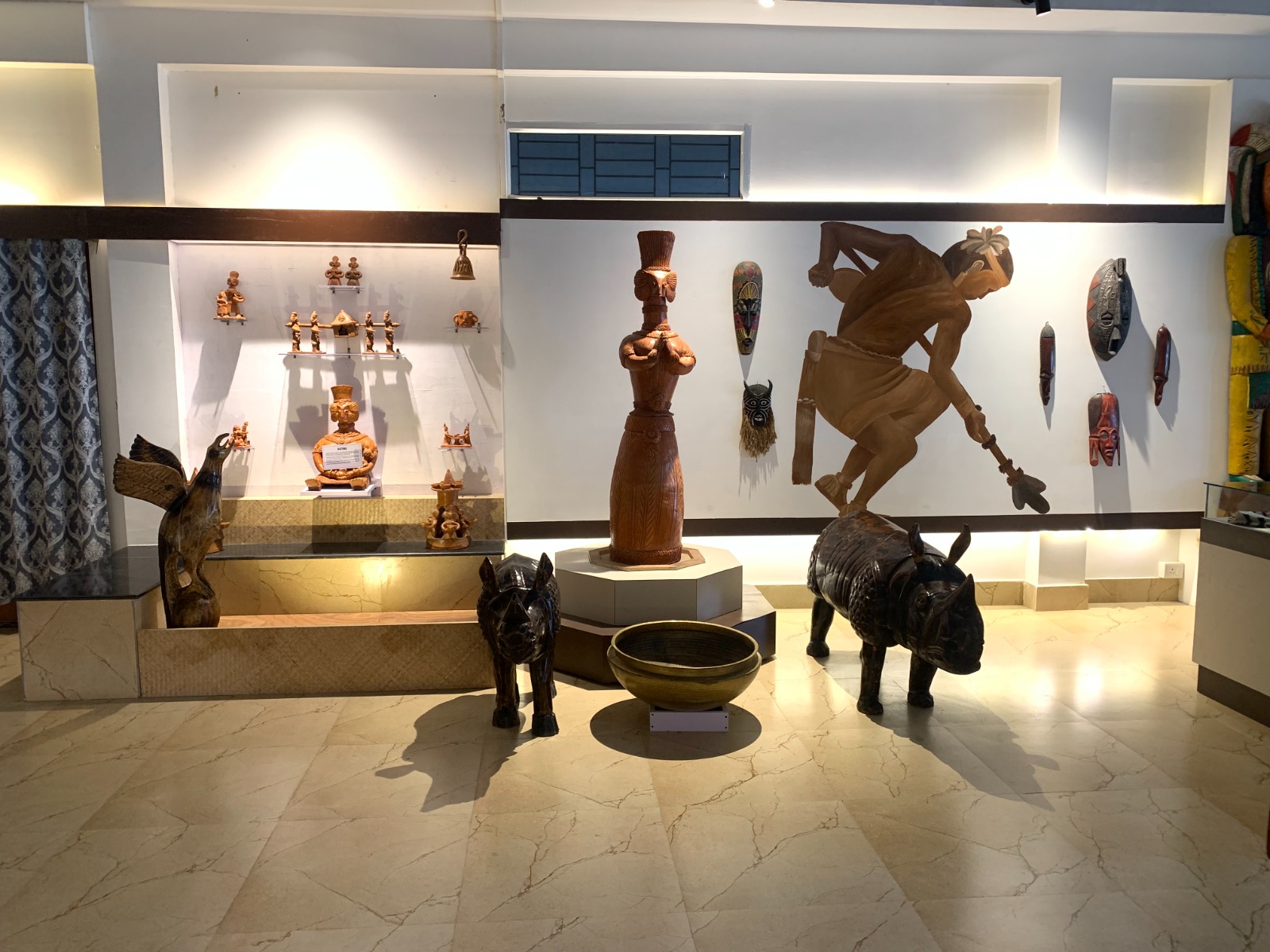
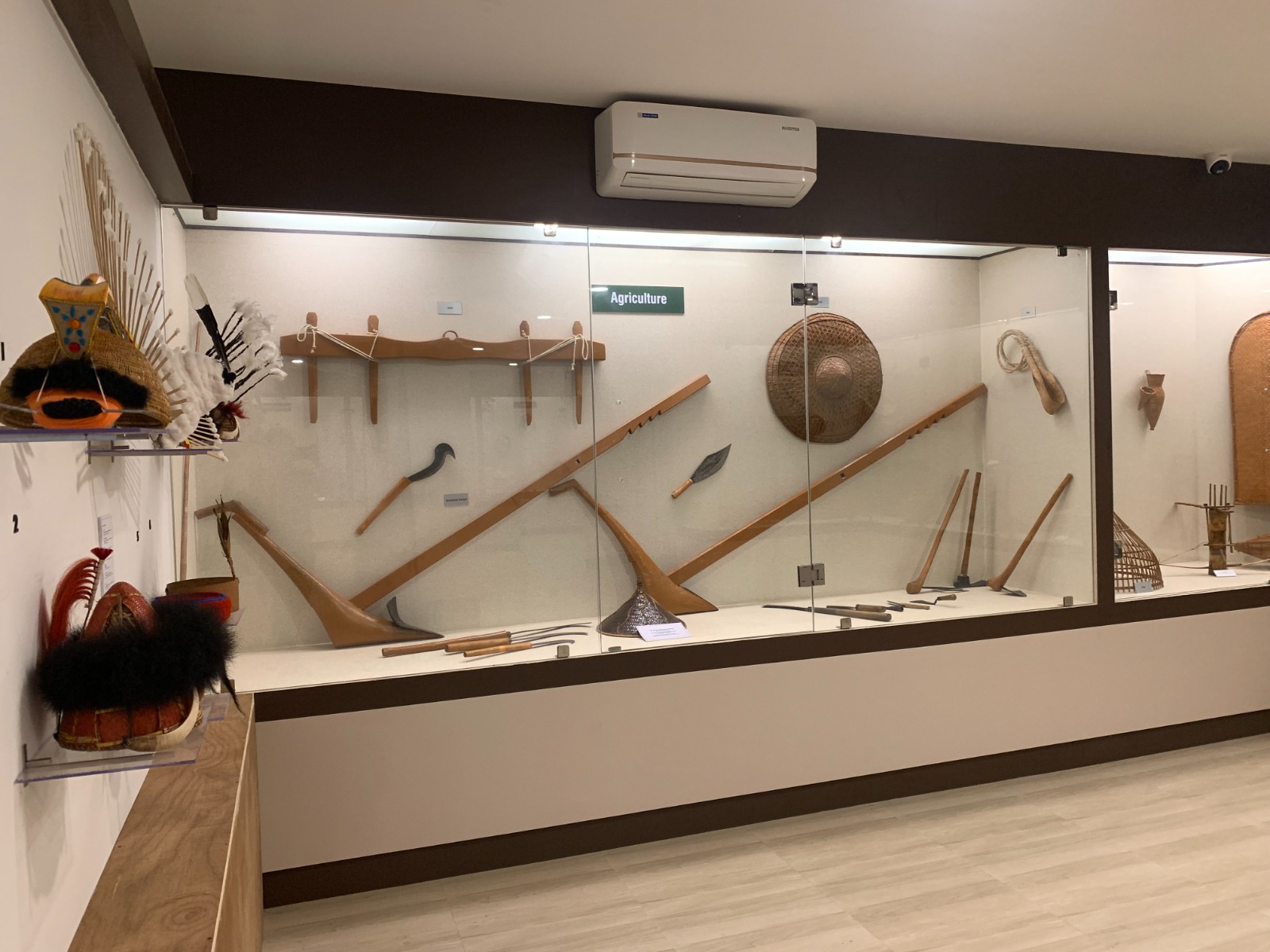
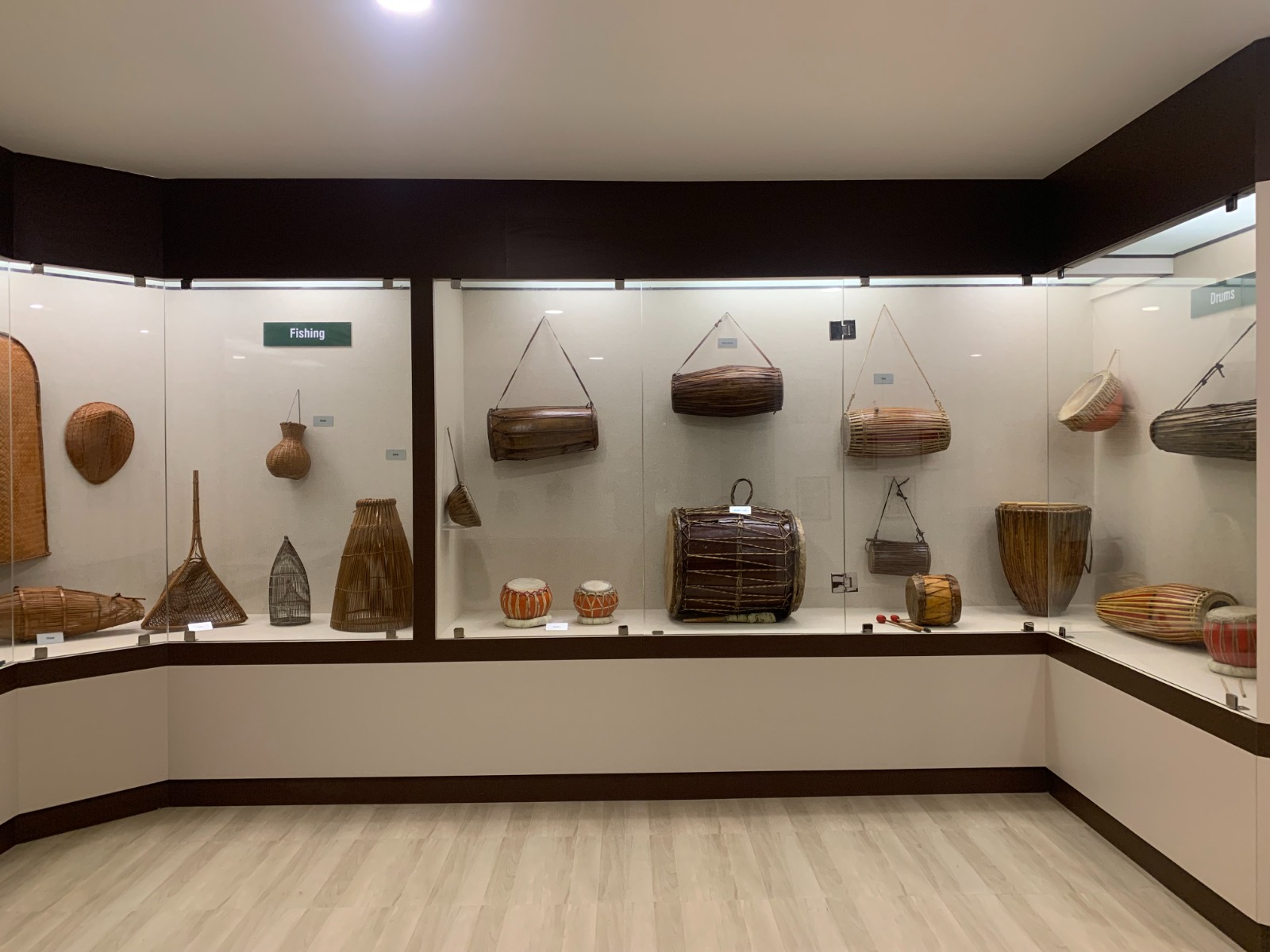
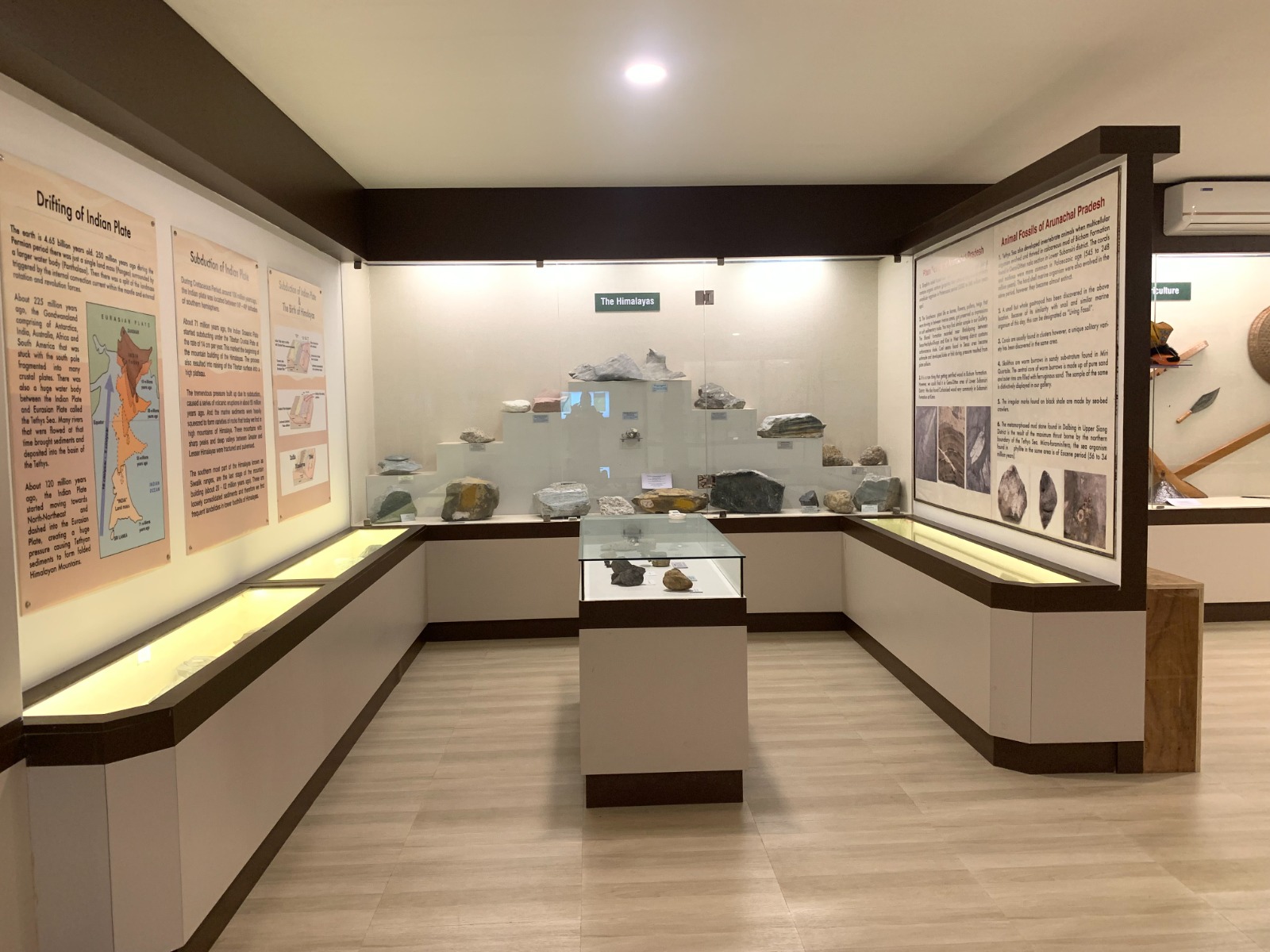
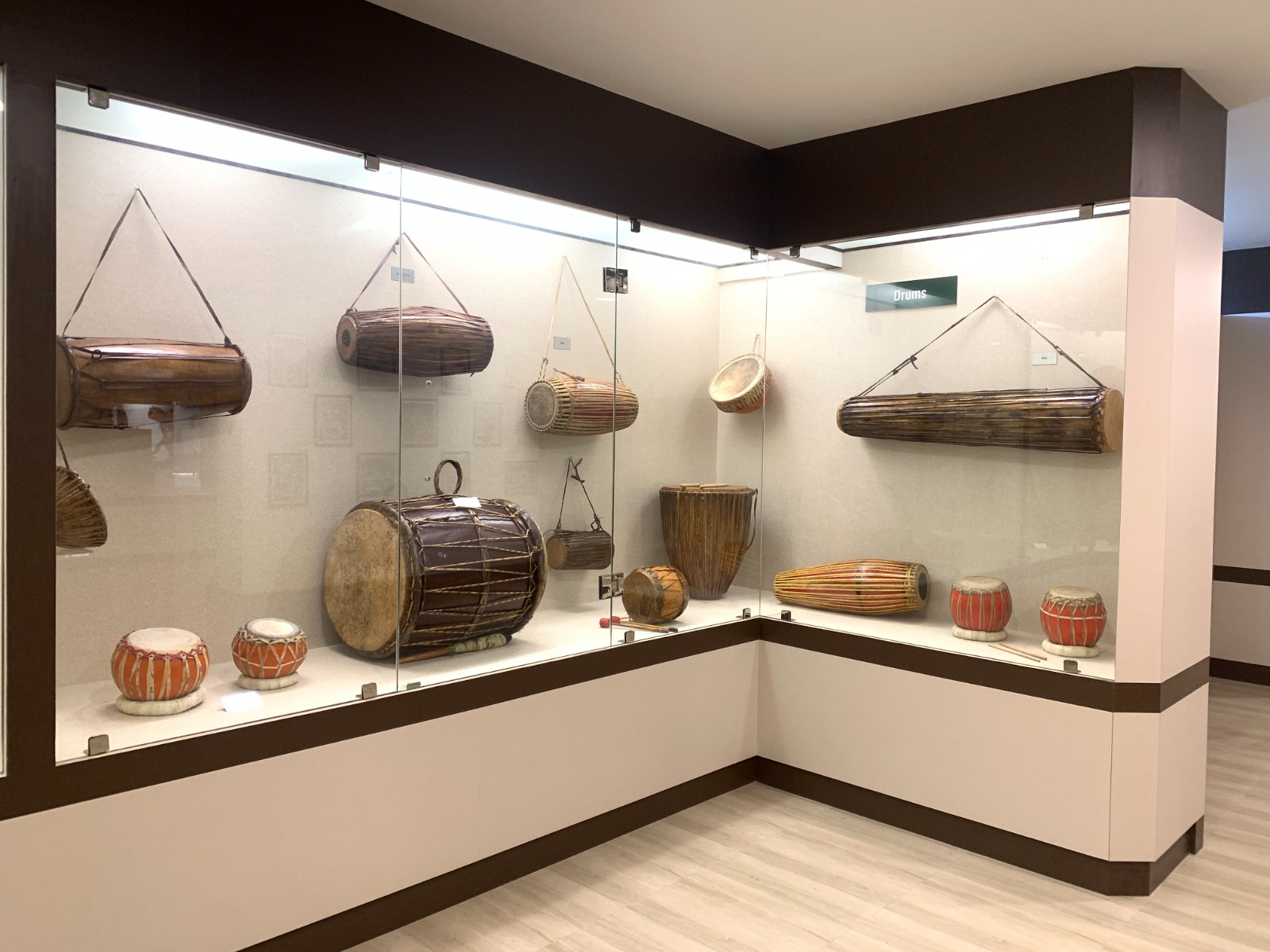
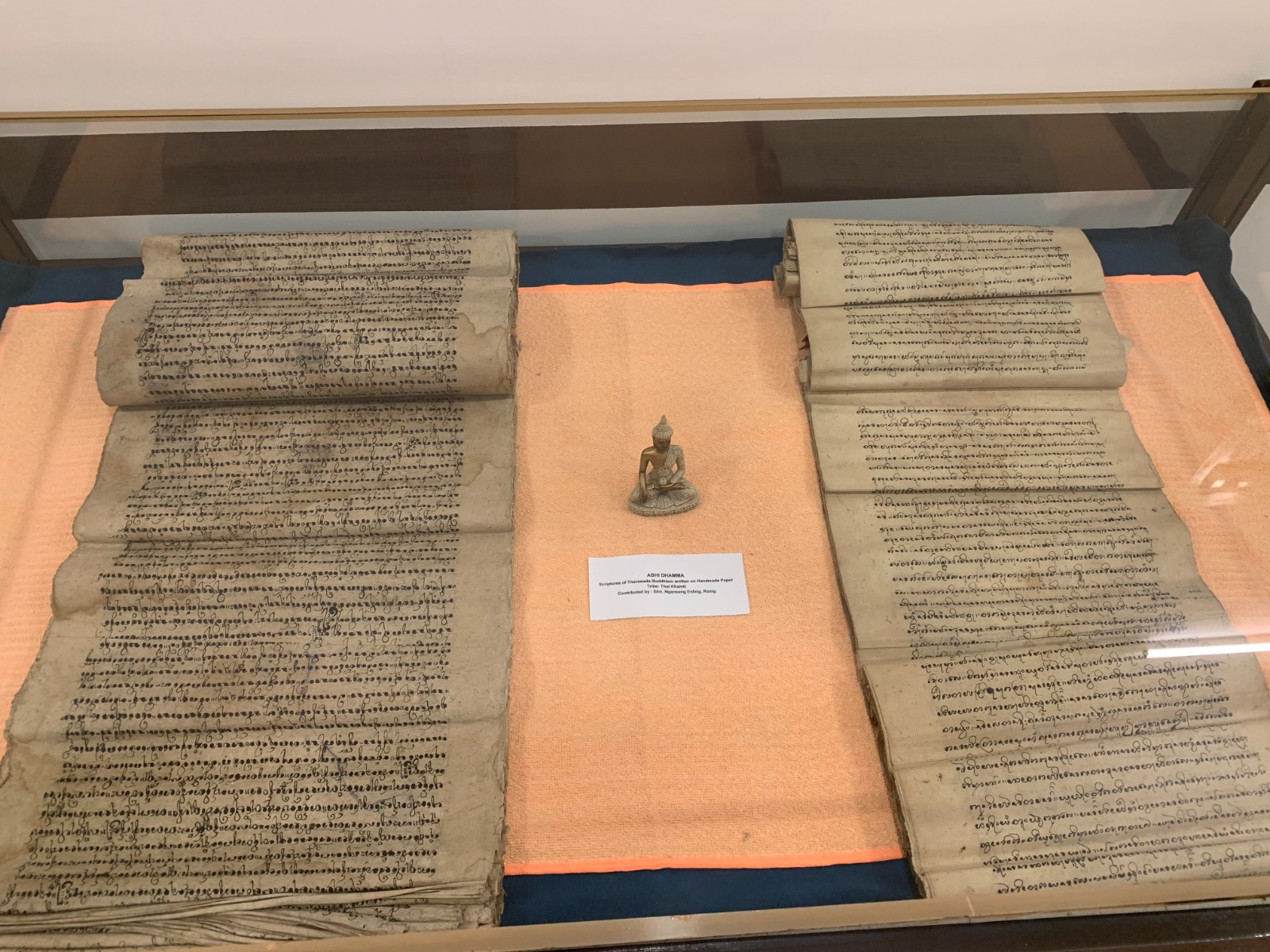
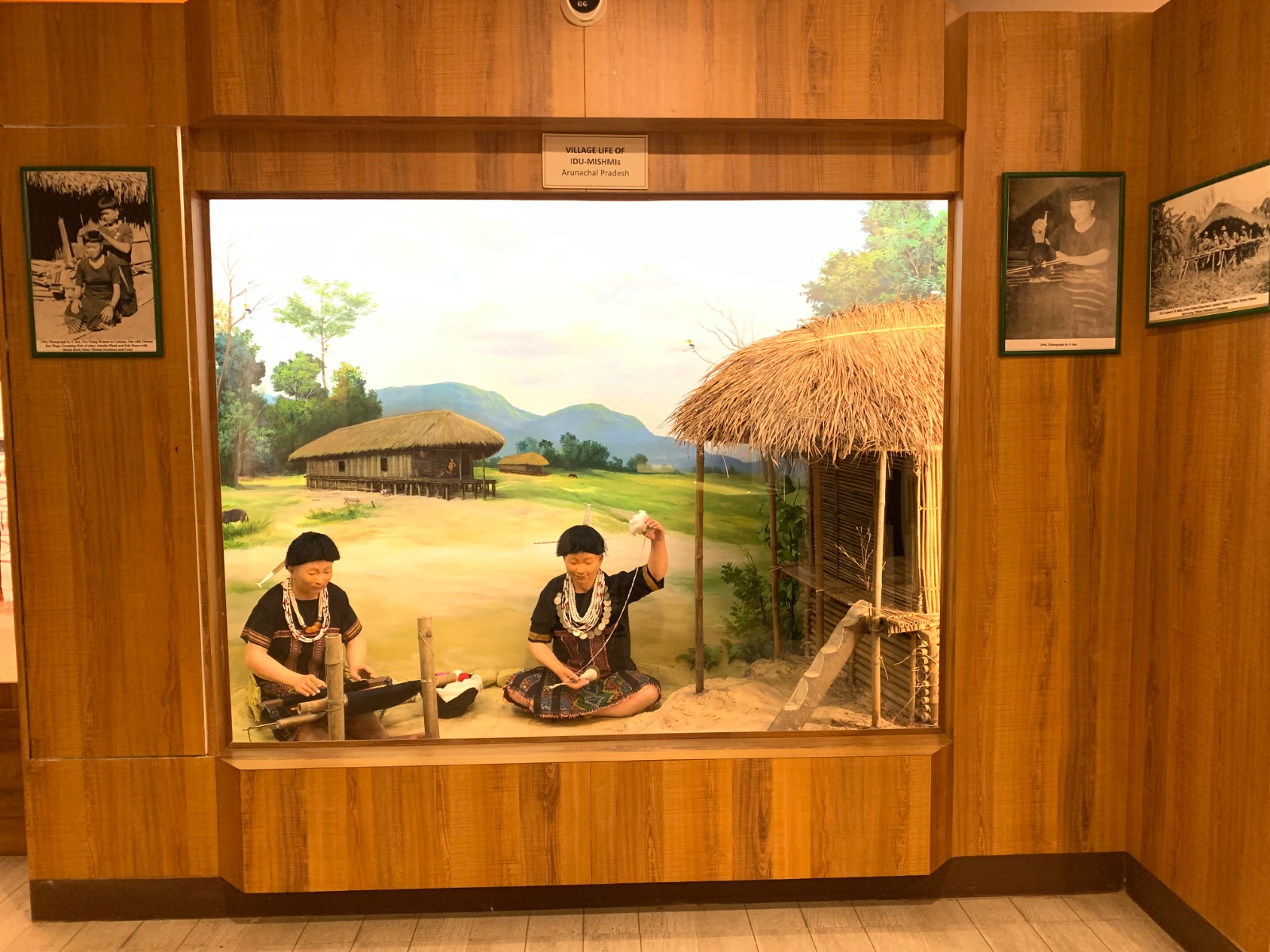
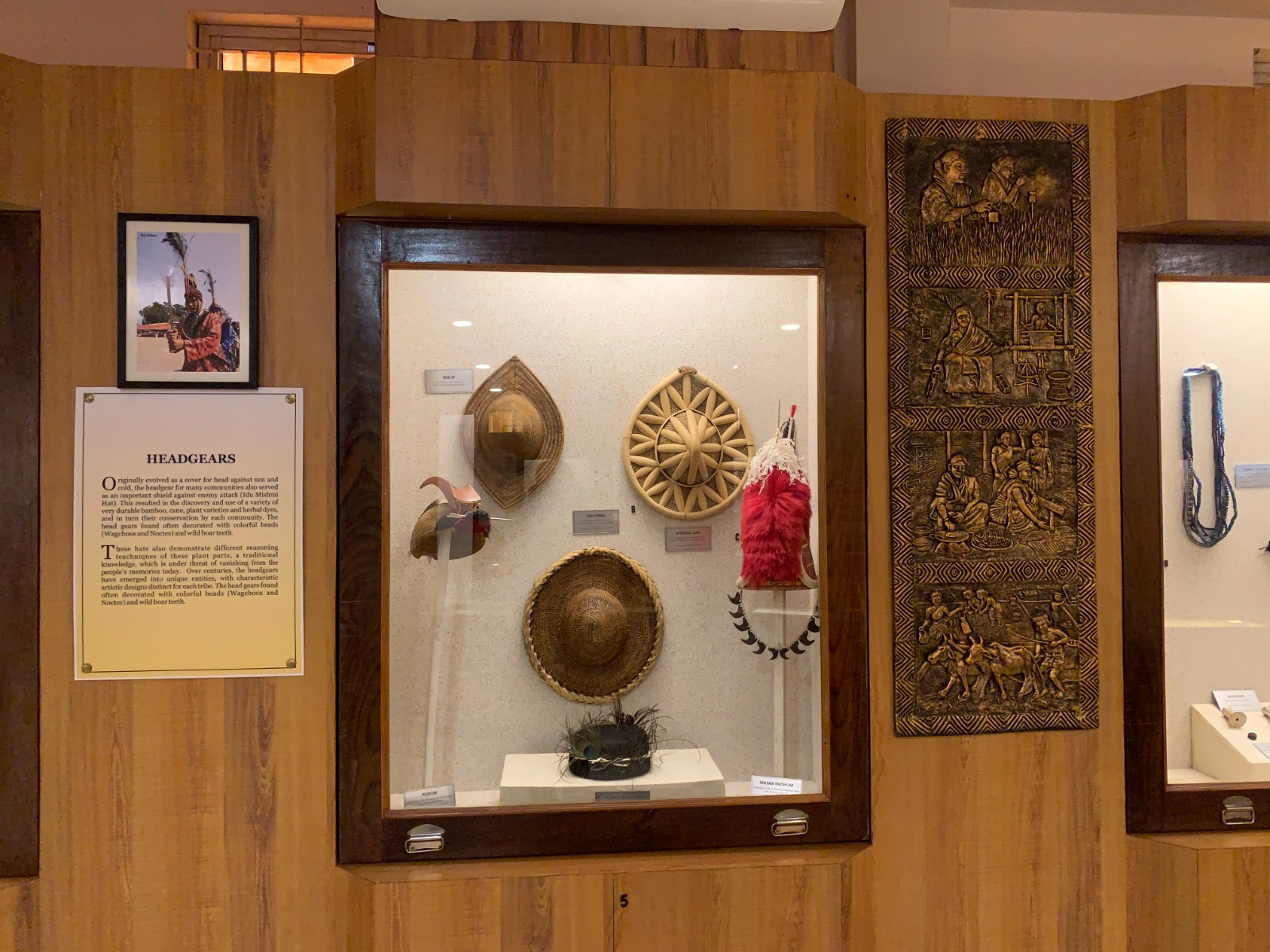
Positioned between these primary sections is an additional gallery that showcases multicultural artefacts from across the globe. This includes objects from the Māori community, sacred items from the Arhuaco indigenous group, as well as cultural materials from within Northeast India such as Naga log drums and monoliths. The gallery also features terracotta sculptures and a replica of an Idu-Mishmi graveyard, offering insight into indigenous burial practices and understandings of the afterlife.
A walk through the museum reveals not only artefacts but also layered narratives of migration, adaptation, belief systems, and ecological relationships. Exhibits of handloom, handicrafts, and traditional implements illustrate sustainable lifeways and the intimate relationship between communities and their natural environments. Furthermore, the museum plays a crucial role in preserving oral traditions, languages, and folklore, thereby contributing to the safeguarding of intangible cultural heritage.
Beyond its function as a museum, RIWATCH operates as an active research hub, facilitating academic engagement and field-based studies in anthropology, history, and cultural studies. Ultimately, the RIWATCH Museum represents more than a collection of objects; it is an intellectual and cultural journey that foregrounds the richness of indigenous traditions while fostering an appreciation of shared human heritage.