
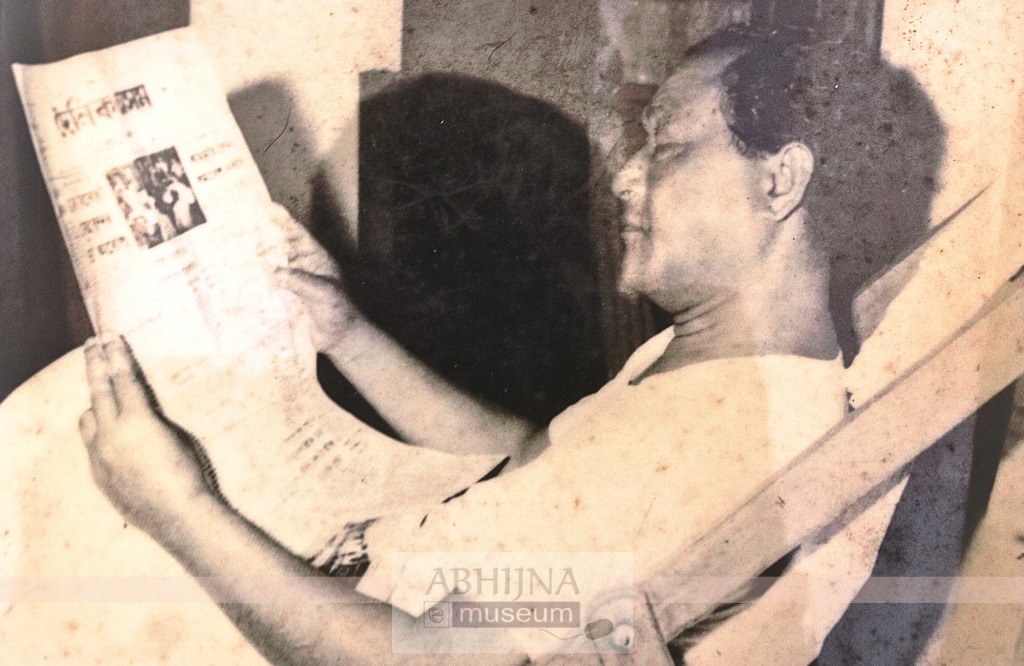
Kalaguru Bishnu Prasad Rabha: Revolutionary Artist, Cultural Icon and Social Reformer of Assam
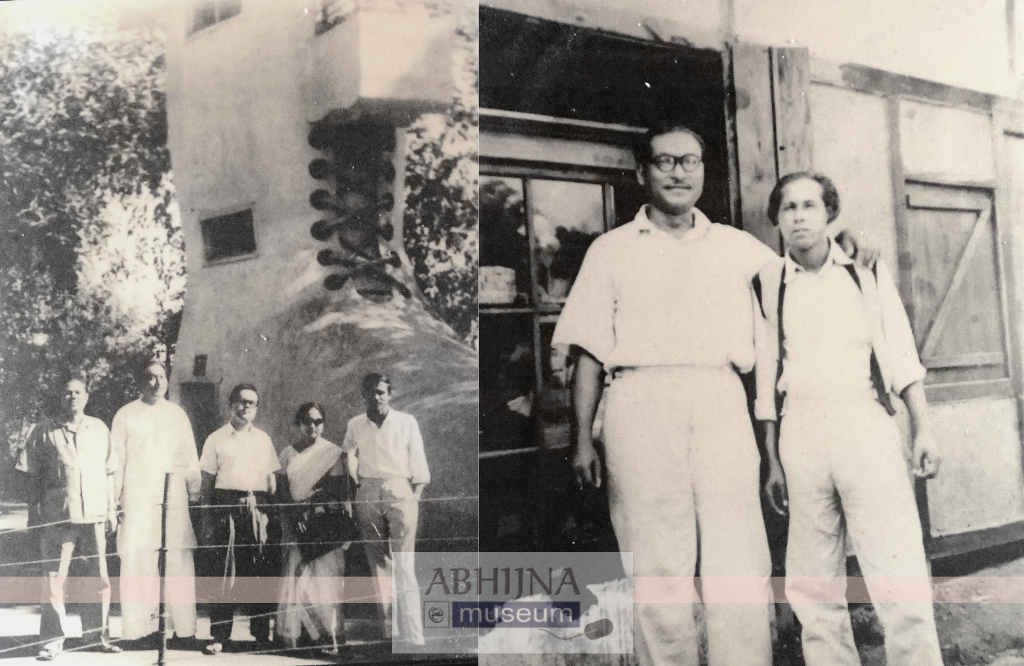
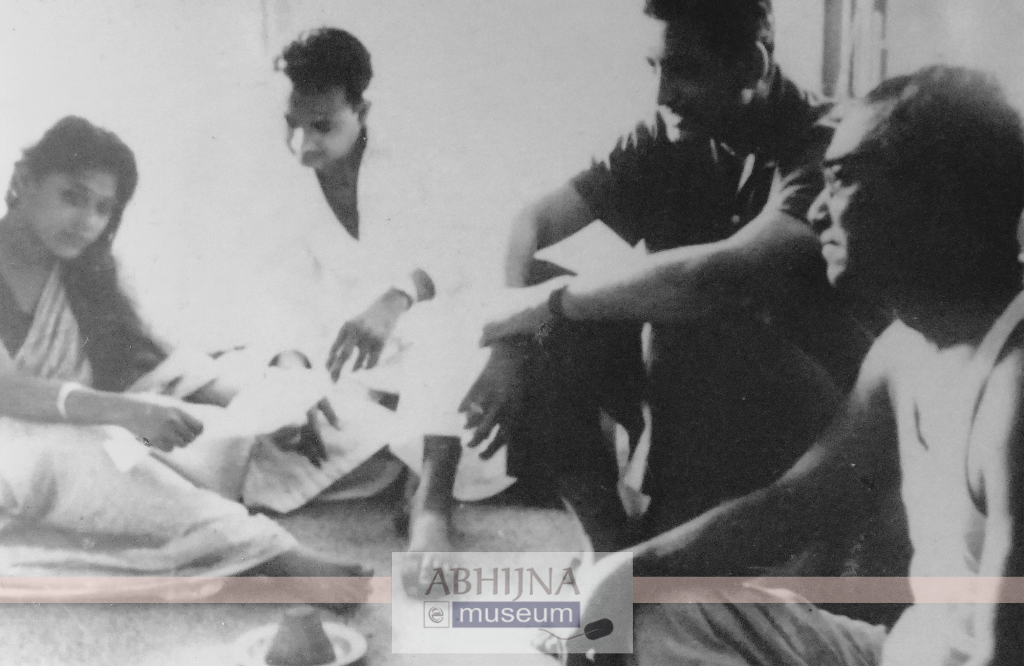
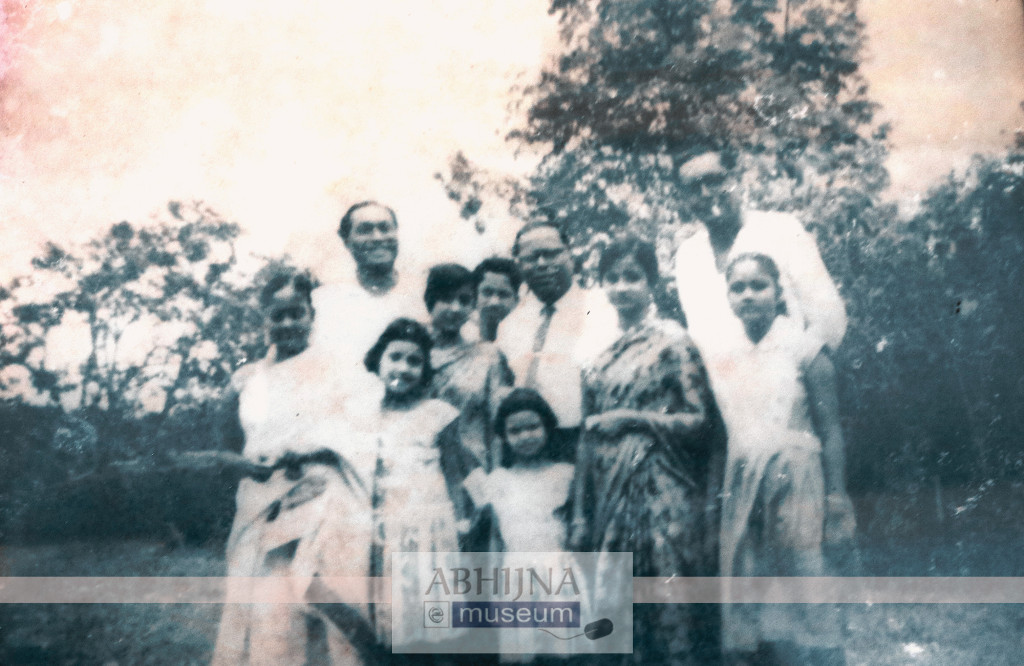
Bishnu Prasad Rabha (1909–1969) occupies a unique position in the cultural and political history of Assam as a figure who unified artistic excellence, revolutionary thought and social reform. Revered as Kalaguru (“Master of the Arts”), he was not merely an accomplished artist but also a freedom fighter, social reformer and advocate of the oppressed. His life demonstrates how artistic work can be inseparable from political commitment, making him one of the most influential public intellectuals of twentieth-century Assam (Barua, 1993).

Born on 31 January 1909 in Dhaka, then part of British India (present-day Bangladesh), Bishnu Prasad Rabha was the son of Gopal Chandra Rabha and Gethi Rabha. His father, a distinguished officer in the British Indian Army, had been honoured with the title of Rai Bahadur. Rabha received his early education in Dhaka before moving to Tezpur, where he studied at Government Boys’ High School (now Tezpur Higher Secondary School) and passed the matriculation examination with distinction in 1926. He subsequently pursued higher education at St. Paul’s Cathedral Mission College and Ripon College (now Surendranath College) in Calcutta. Although an exceptionally gifted student, his academic career remained incomplete due to his active involvement in the nationalist movement against British colonial rule (Bordoloi, 2011).

During his student years, Rabha became deeply involved in India’s struggle for independence. Influenced by the nationalist movements of the 1920s and 1930s, he participated in Mahatma Gandhi’s Civil Disobedience Movement and developed strong anti-colonial convictions. As his political awareness deepened, however, his ideology gradually evolved beyond nationalism towards Marxism-Leninism, inspired partly by the ideals emerging from the Russian Revolution of 1917 and the growing communist movement in India. He increasingly viewed social and economic exploitation as the fundamental cause of inequality and believed that political independence alone would not ensure justice for the working classes and peasantry (Sharma, 2006).

Following India’s independence in 1947, Rabha continued his political activism by opposing feudal landholding systems and the exploitation of peasants by landlords. In this new phase, his association with communist politics, particularly the Revolutionary Communist Party of India, led to repeated government surveillance and periods of underground political activity. Travelling extensively across Assam, he actively participated in peasant movements and advocated for an egalitarian society free of exploitation. His life symbolised the convergence of cultural expression and political resistance, often described metaphorically as carrying “a pen in one hand and a gun in the other,” representing his simultaneous commitment to artistic creativity and revolutionary struggle (Saikia, 2015).

Rabha’s contribution to Assamese culture remains unparalleled, and it reflects his broader mission of social transformation. A true polymath, he excelled as a poet, lyricist, composer, singer, musician, dancer, dramatist, actor, novelist, painter, sculptor, archaeologist, ethnologist, linguist and sportsman. His extensive knowledge of Indian classical music, indigenous folk traditions and dance forms enabled him to create a distinctive artistic language rooted in Assamese culture while remaining universal in its appeal. Through his literary works, songs and performances, he consistently championed social equality, communal harmony and cultural unity (Goswami, 2003).

The cultural milieu of Tezpur played a significant role in shaping Rabha’s artistic vision. There, close interactions with prominent cultural figures such as Jyotiprasad Agarwala and other leading intellectuals of Assam nurtured his creative talents from an early age. Unlike many contemporary artists, Rabha believed that art should not remain detached from society. Instead, he regarded culture as an instrument for social transformation, insisting that artists must remain deeply connected with the lives and aspirations of ordinary people. His famous assertion that “the people are the inexhaustible repositories of arts and crafts” reflects his conviction that artistic creativity originates from the collective experiences of the masses (Bordoloi, 2011).

In recognition of his extraordinary contributions to the arts, Rabha was conferred the honorific title “Kalaguru“ by Dr Sarvepalli Radhakrishnan in 1939. Although the title celebrates his artistic genius, it can also obscure his equally significant role as a political activist and social philosopher. His cultural works were never isolated from his ideological commitments; rather, they served as powerful vehicles for social justice, equality and human dignity (Saikia, 2015).

Despite being born into a relatively affluent family, Rabha dedicated his entire life to the cause of the poor, workers and peasants. He envisioned a classless society free from exploitation and believed that literature, music and theatre should inspire collective social consciousness. His revolutionary songs, writings and performances became instruments of political education, encouraging resistance against injustice while strengthening Assamese cultural identity and linking artistic creation with social struggle.

Today, Bishnu Prasad Rabha is remembered as one of Assam’s greatest cultural icons and revolutionary thinkers. His legacy shows that creative expression can become a powerful force for social transformation when joined to political conviction. As both an artist and activist, Rabha embodied the ideals of humanism, equality and cultural nationalism, leaving an enduring influence on generations of artists, intellectuals and social reformers across Northeast India.
References
- Barua, B.K. (1993) Bishnu Rabha: Jivan Aru Darshan. Guwahati: Bani Mandir.
- Bordoloi, D. (2011) Kalaguru Bishnu Prasad Rabha. Guwahati: Assam Publication Board.
- Goswami, P. (2003) Cultural Heritage of Assam. New Delhi: Concept Publishing Company.
- Saikia, N. (2015) Bishnu Prasad Rabha: The Revolutionary Artist. Guwahati: Bhabani Books.
- Sharma, J.N. (2006) Social and Political Movements in Assam. Guwahati: Lawyers Book Stall.
- Image Courtesy: Jyoti Bharati (Poki), Tezpur Collection