
The Framji Dadabhoy Alpaiwalla Museum: Preserving the Heritage of the Parsi Community
Museums play a vital role in preserving cultural memory, interpreting history, and presenting the material heritage of communities to wider audiences. One such important institution in Mumbai is the Framji Dadabhoy Alpaiwalla Museum, an archaeological and ethnographic museum dedicated to documenting the history, migration, religion, and culture of the Parsi-Zoroastrian community in India. Located in the Malabar Hill area of Mumbai, the museum functions as a unique repository of artefacts and cultural material that narrate the historical journey of the Parsis from ancient Persia to India and their subsequent contributions to Indian society.
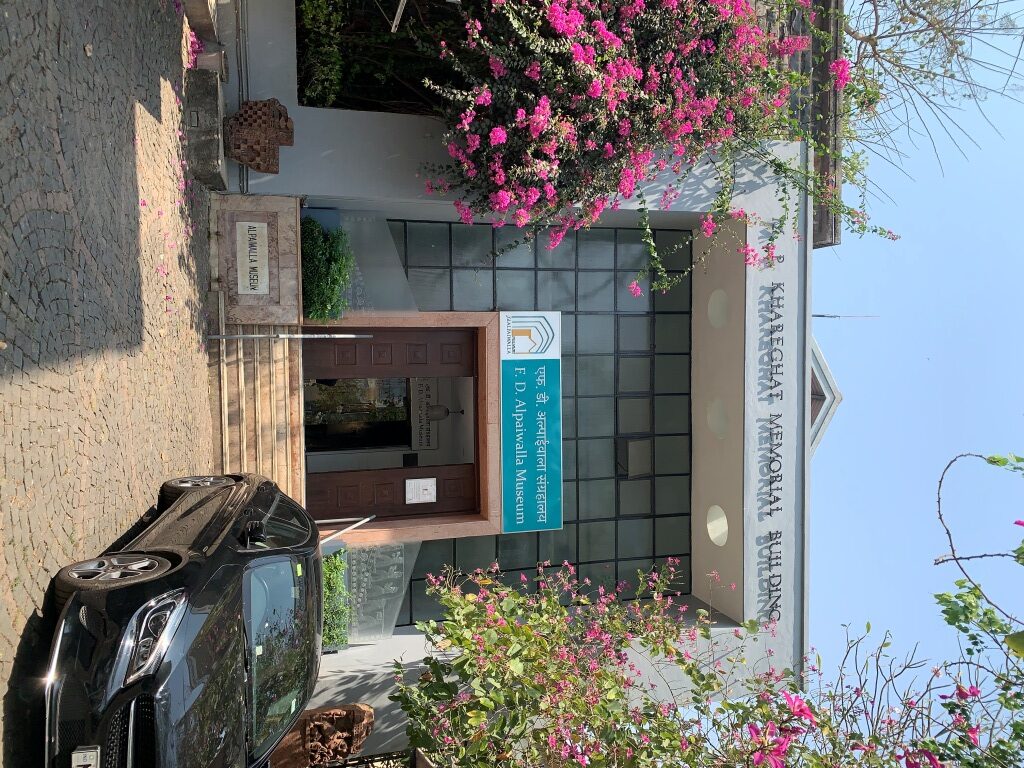
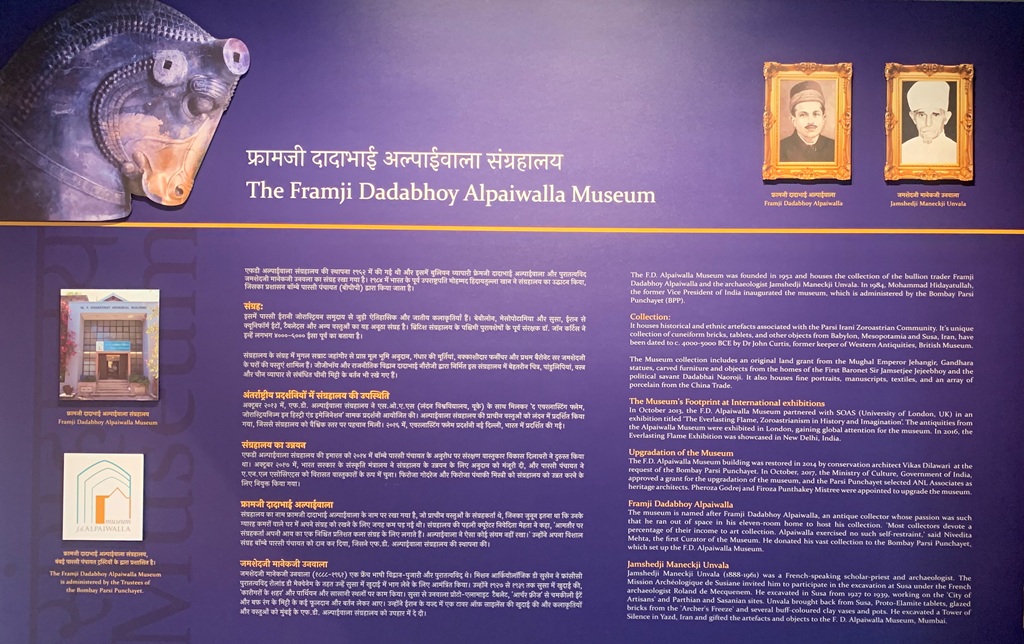
The museum was established in 1952 and inaugurated in 1984 by Shri Mohammad Hidayatulla, the former Vice- President of India, under the patronage of the Bombay Parsi Punchayet, one of the oldest and most influential Parsi charitable institutions in Mumbai. It houses the collections of Framji Dadabhoy Alpaiwalla, a noted Parsi philanthropist, scholar, collector, and archaeologist, as well as those of Jamshedji Maneckji Unvala. Hence, named after Framji Dadabhoy Alpaiwalla. The museum was created with the intention of safeguarding the tangible and intangible heritage of the Parsi community. Over the years, it has evolved into an important cultural and educational space that promotes awareness about Zoroastrian traditions and the historical presence of Parsis in India.
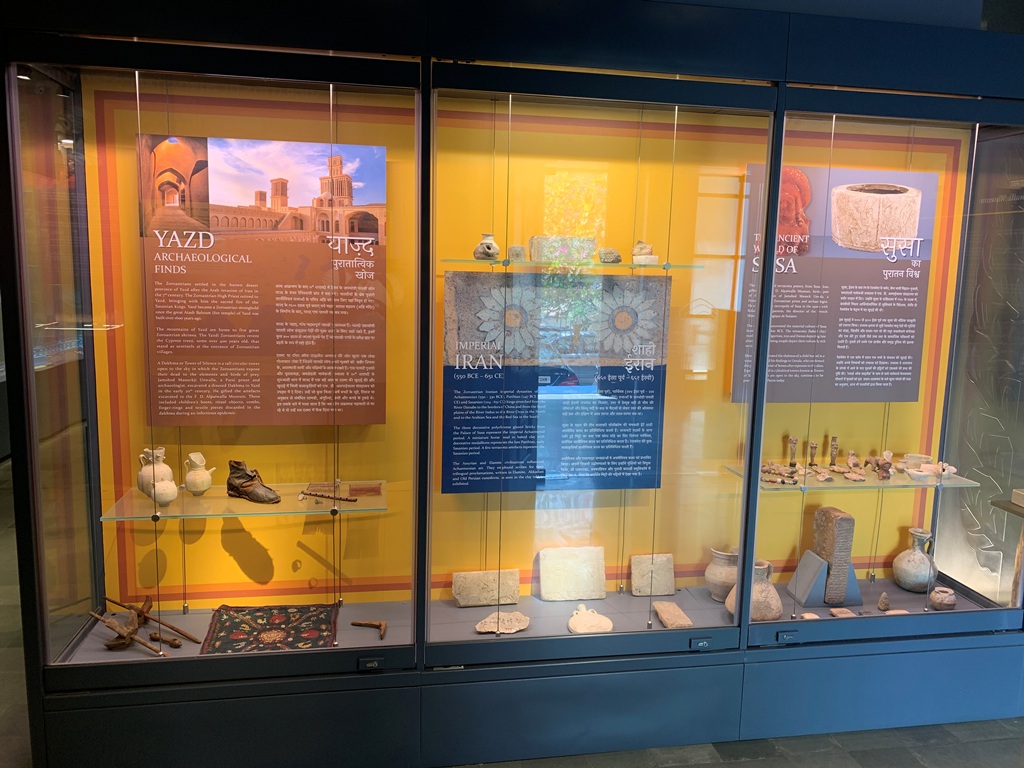
The collections of the Framji Dadabhoy Alpaiwalla Museum are diverse and historically significant. They include rare manuscripts, religious artefacts, coins, textiles, paintings, ceremonial objects, and historical documents related to the Zoroastrian faith and the everyday life of the Parsi community. Some of these artefacts trace their origins to ancient Persia, reflecting the early roots of Zoroastrian civilization. Through these collections, the museum narrates the story of the migration of Zoroastrians to India, where they found refuge and gradually established prosperous communities, particularly in Gujarat and later in Mumbai.
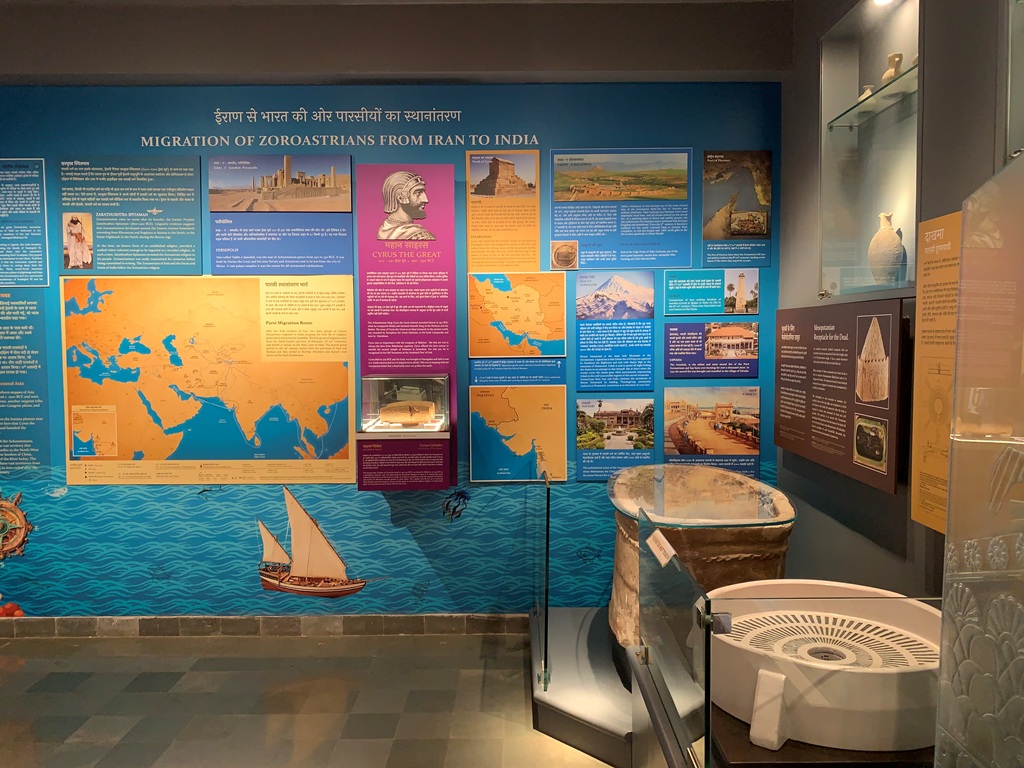
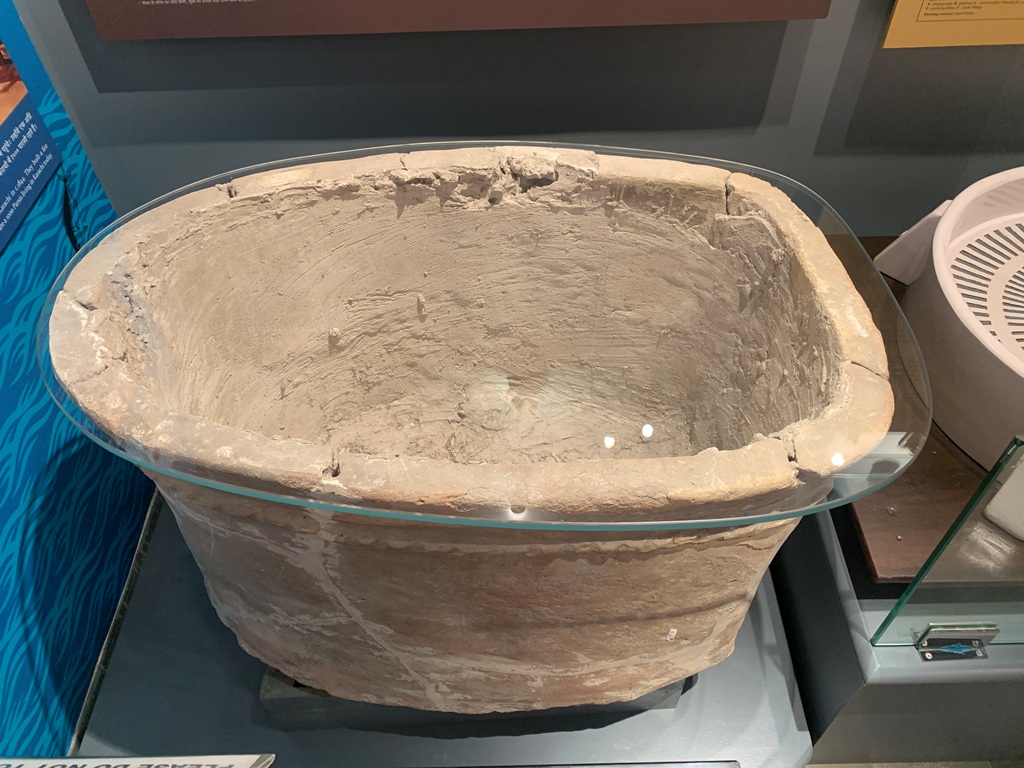
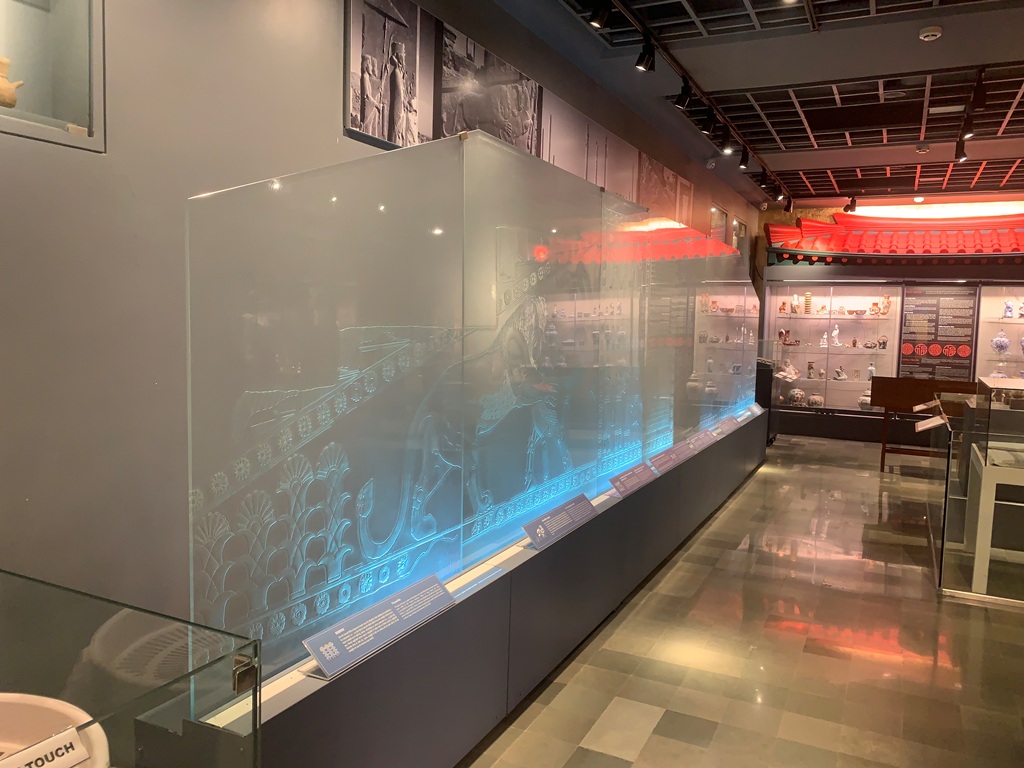
Among the notable objects in the collection is an undated terracotta bathtub receptacle of Mesopotamian origin (c.3800 BCE), characterized by one rounded end and one squared end with straight sides. The museum also displays a replica model of the Tower of Silence, an important funerary structure in Zoroastrian tradition. Designed like an amphitheatre with concentric tiers, the structure is used to expose the deceased to natural elements and birds of prey. This practice reflects the Zoroastrian belief in maintaining the purity of the natural elements and is often described as an environmentally sustainable funerary method.
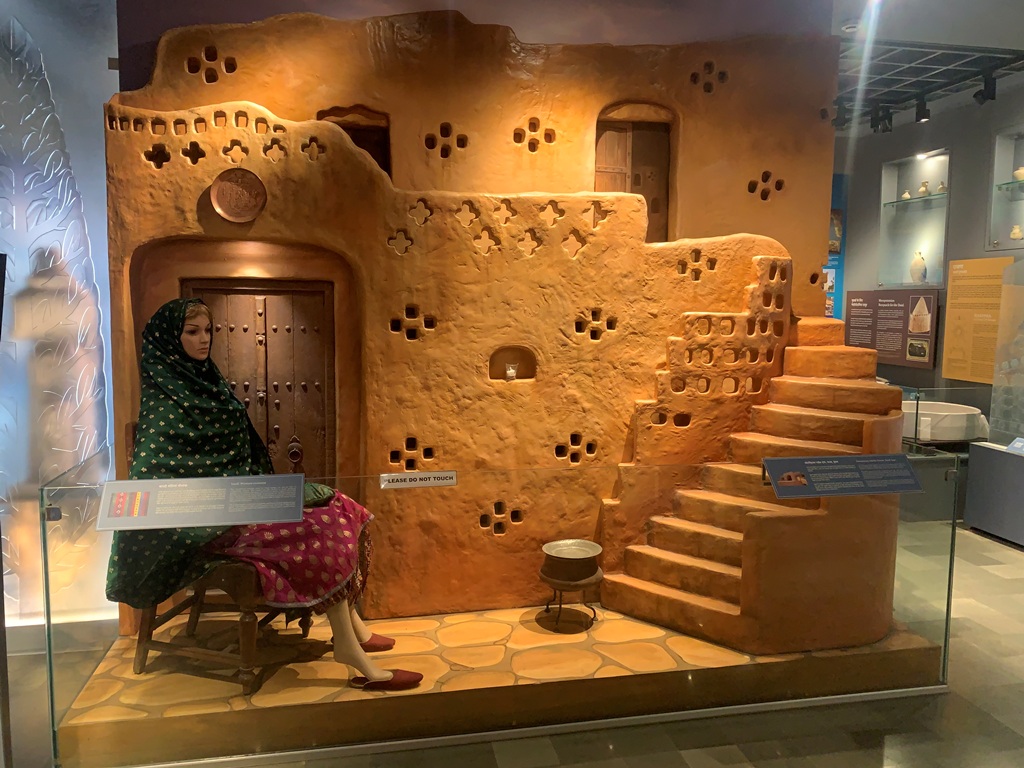
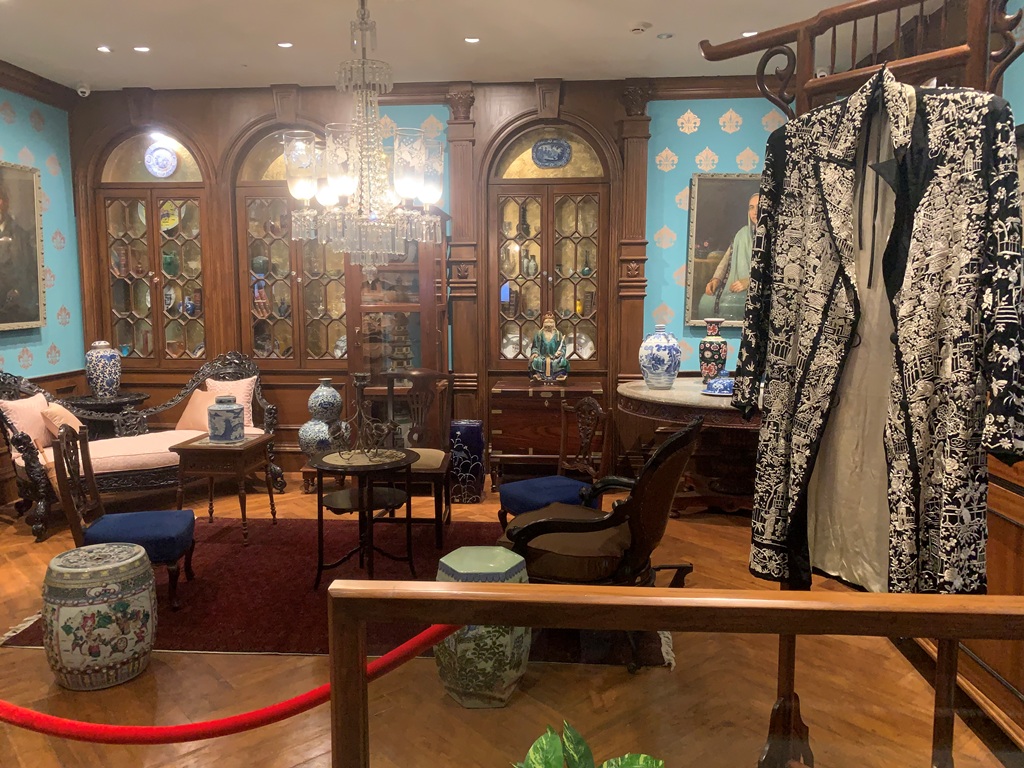
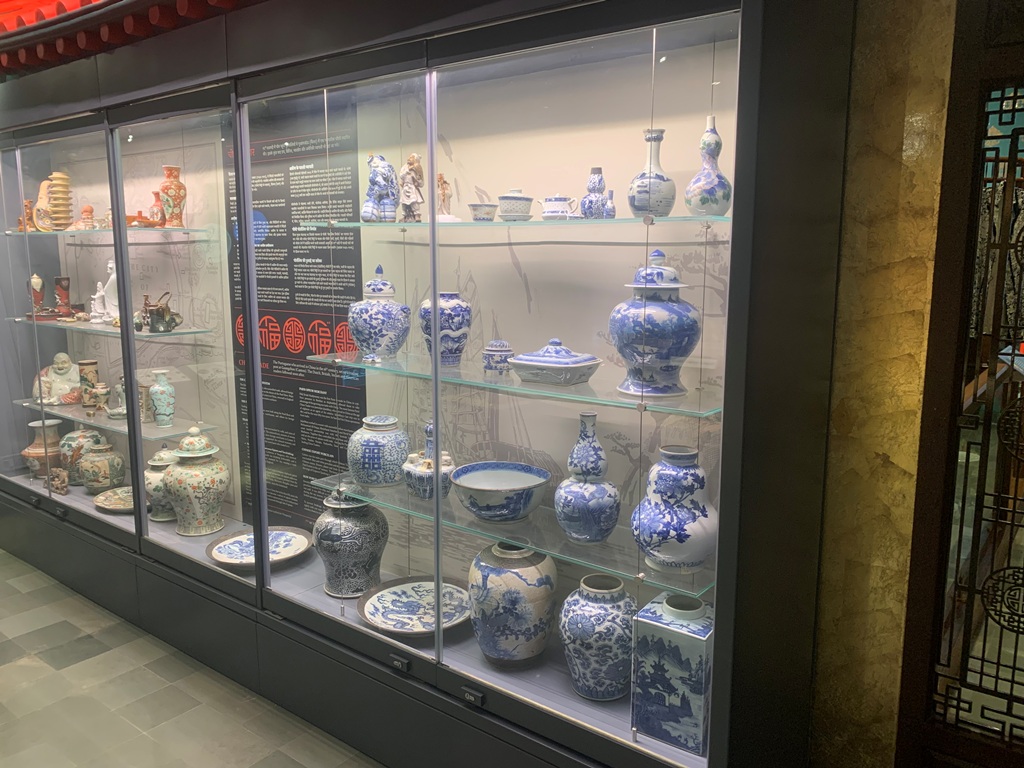
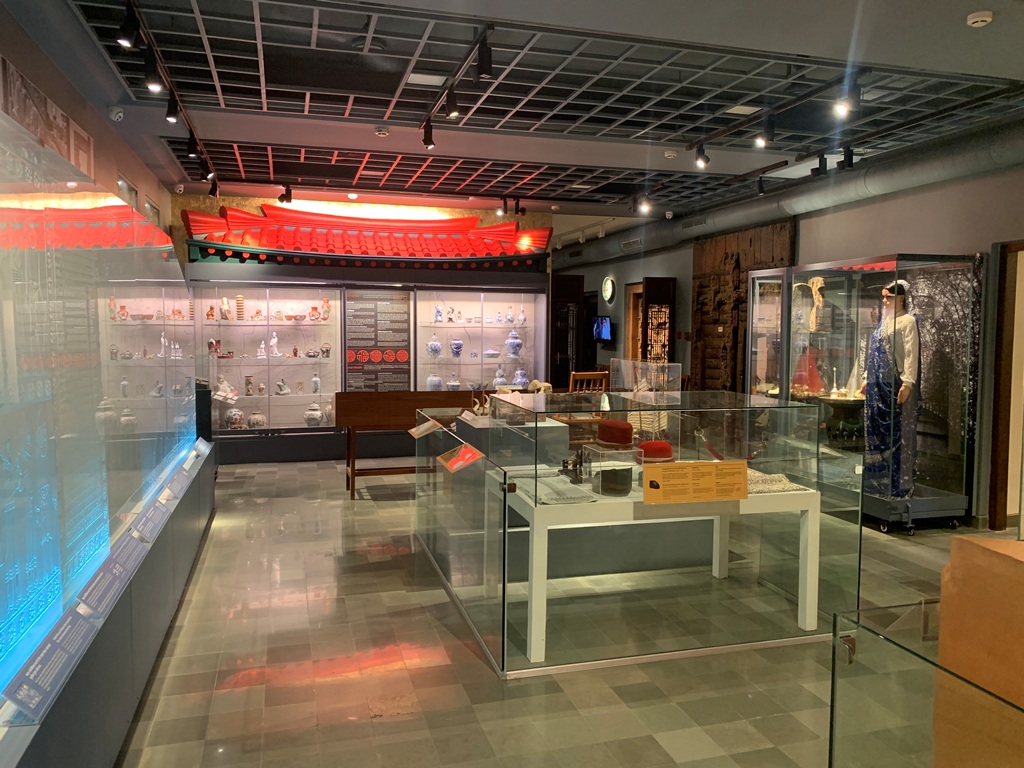
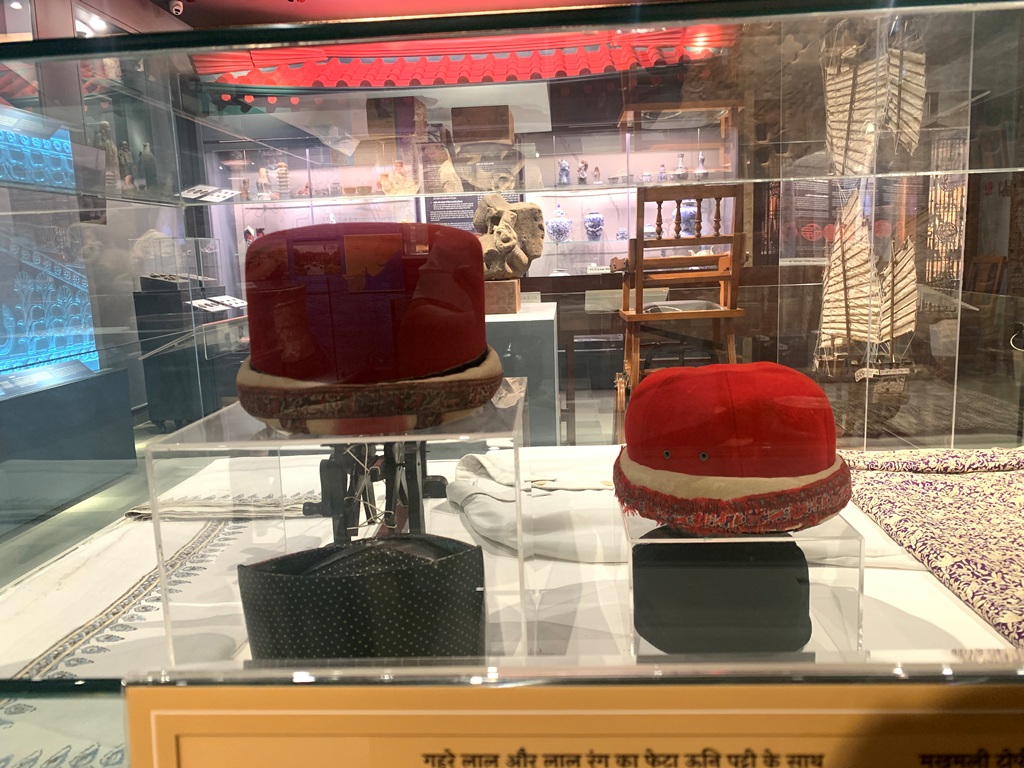
The museum further exhibits traditional Yazdi costumes, models of a Zoroastrian adobe house, and garments worn by Parsi men and women. Other displays include coins, seals, bullae, and Chinese porcelain, vases, and ritual vessels that reflect historical trade connections with China. One of the galleries recreates a lifestyle room of a Parsi household, displaying furniture, chandeliers, porcelain objects, and paintings. This display provides insight into how the Parsi community adopted and adapted several aspects of the Western lifestyle and aesthetics during the colonial period.
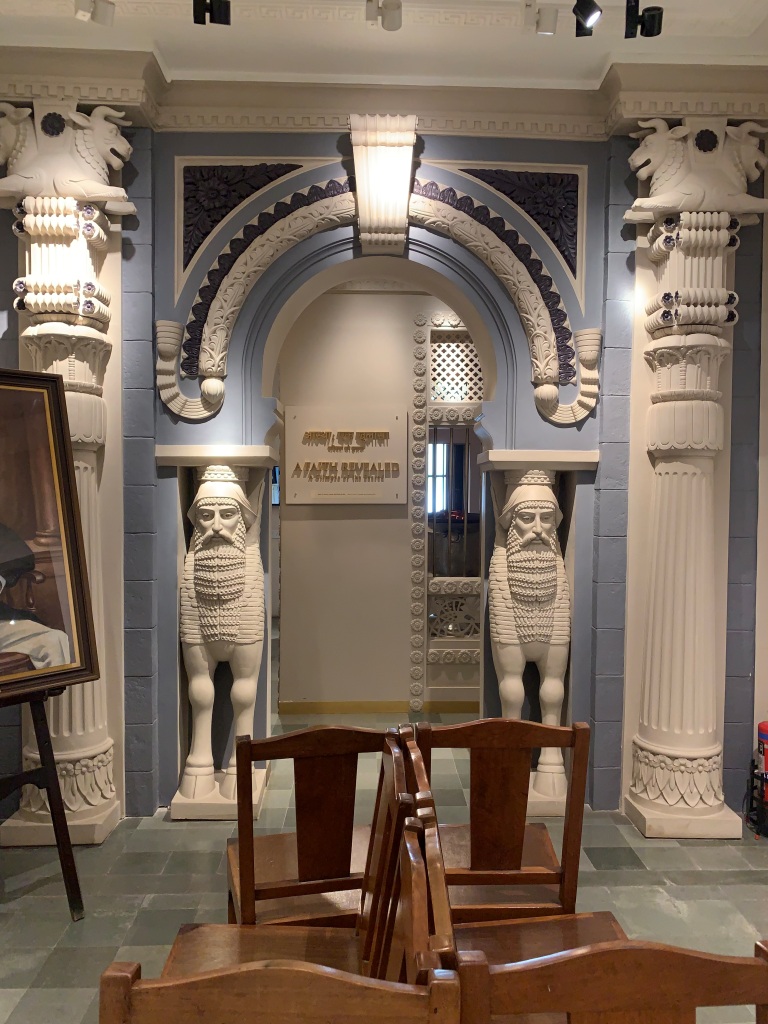
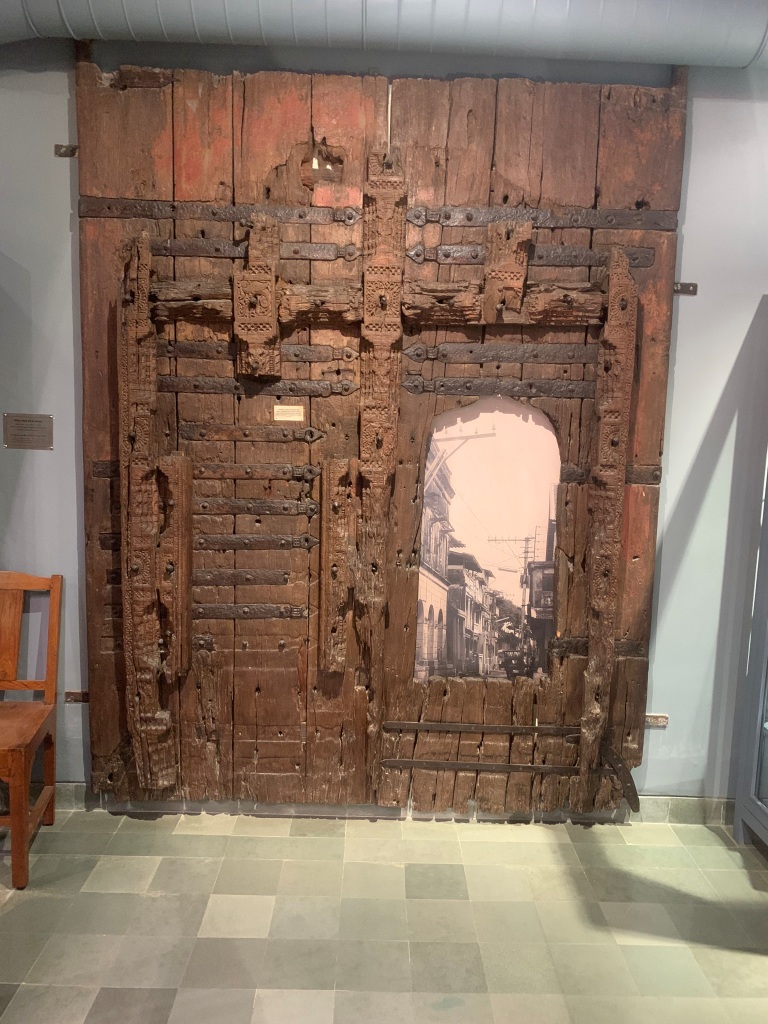
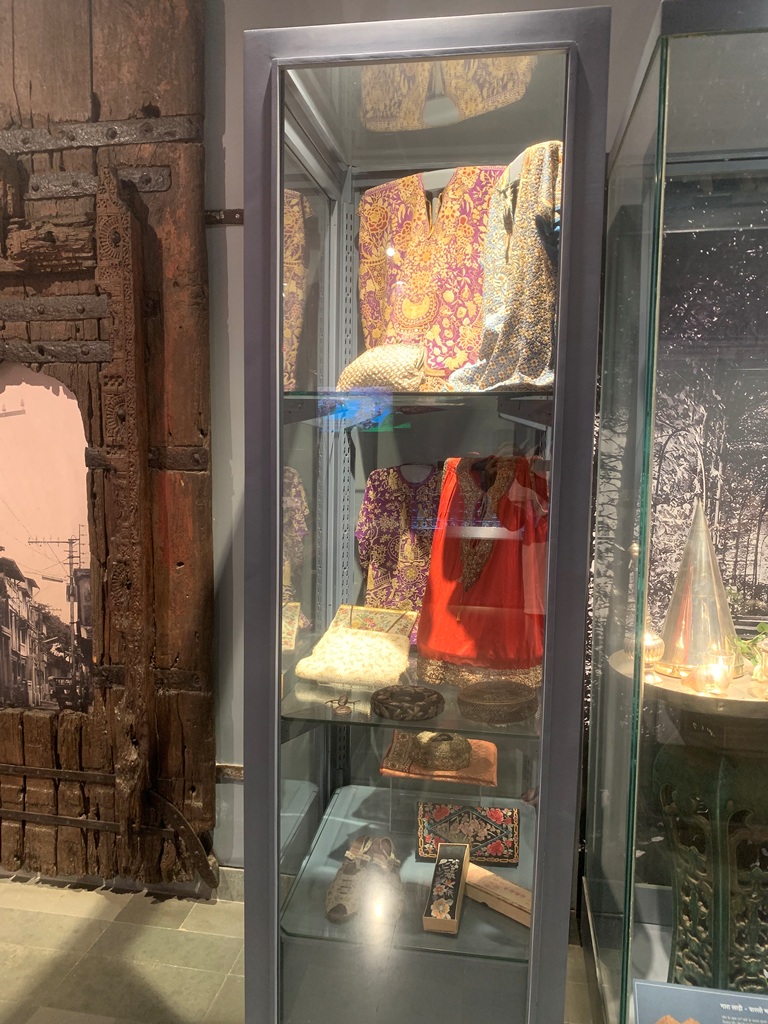
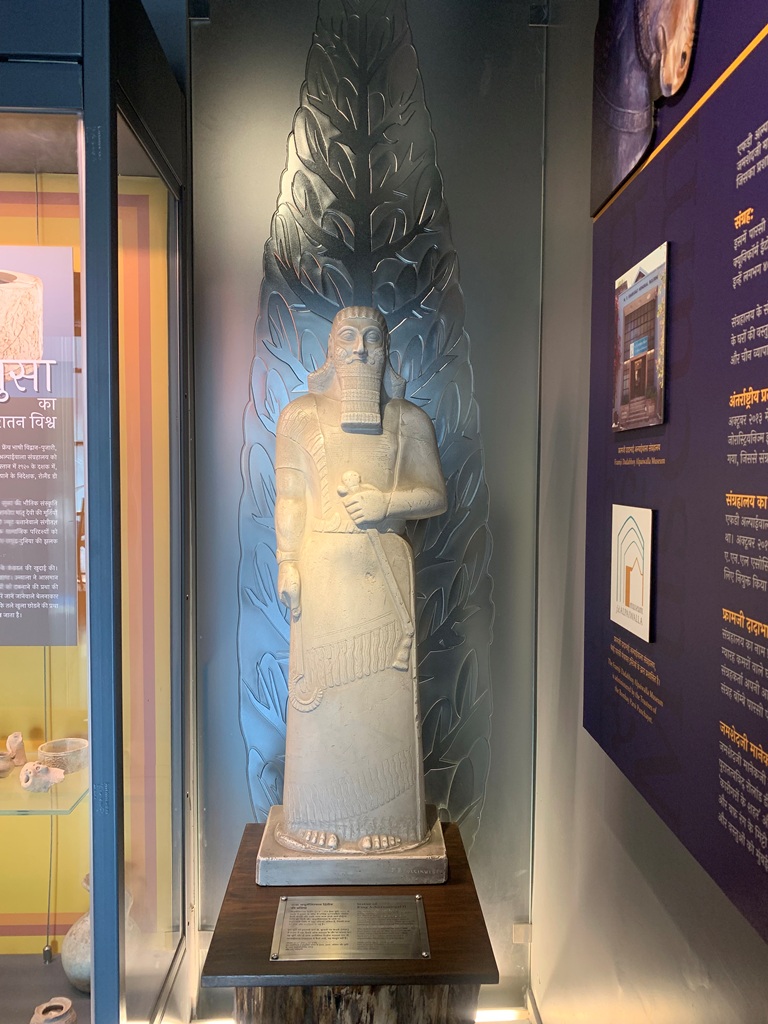
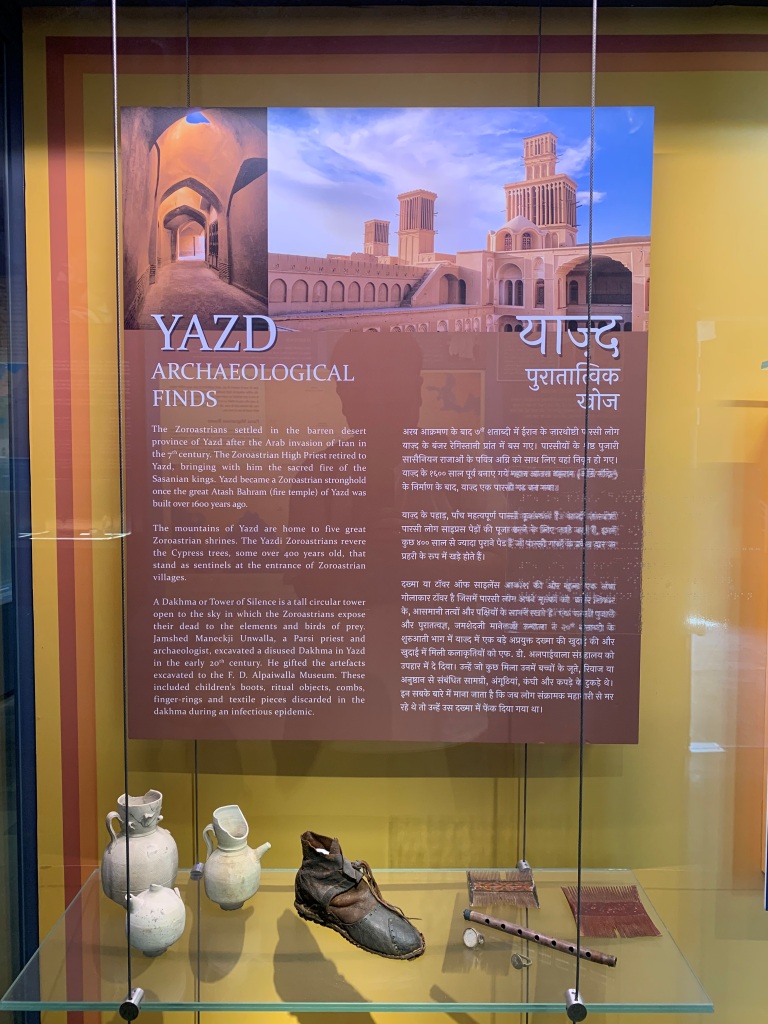
Another notable exhibit is a replica gateway model representing the entrance of the Polia-Desai Wada. Such gateways were strategically constructed during the sixteenth century to guard Parsi-dominated localities and regulate entry into residential spaces.
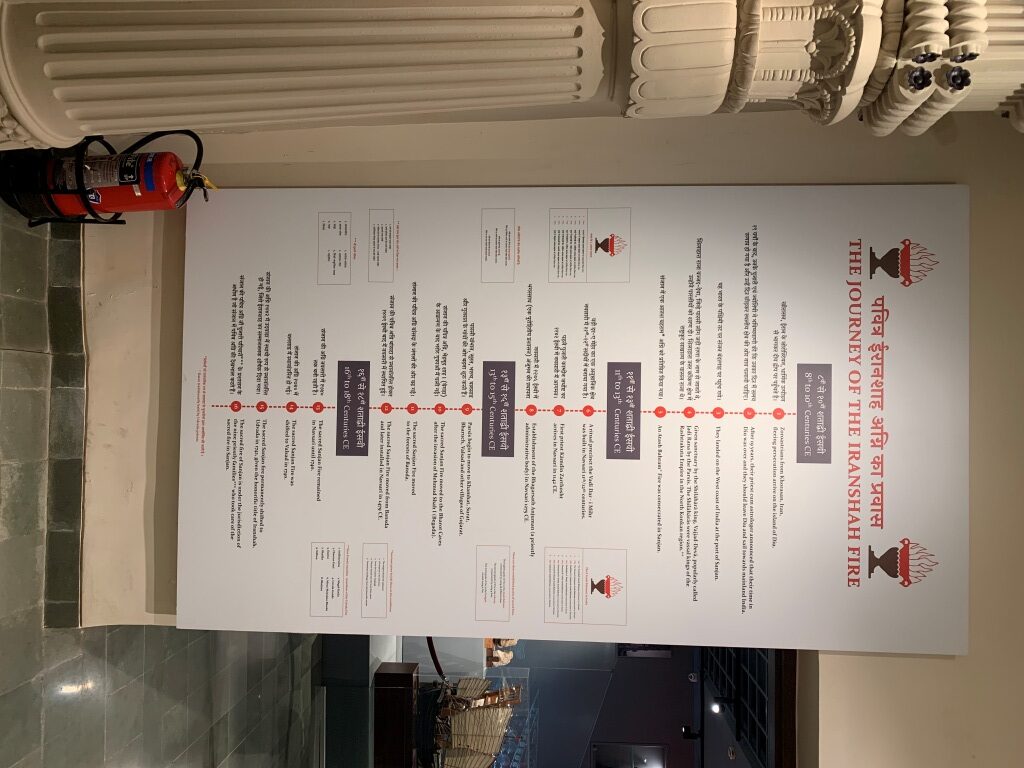
An important aspect of the museum is its role in explaining Zoroastrian religious practices and philosophy. Since entry into Zoroastrian fire temples is traditionally restricted to members of the faith, the museum provides interpretive displays and models that illustrate the architectural and ritual features of these sacred spaces. These exhibits serve an educational purpose by making aspects of the religion accessible to the wider public while respecting religious boundaries.
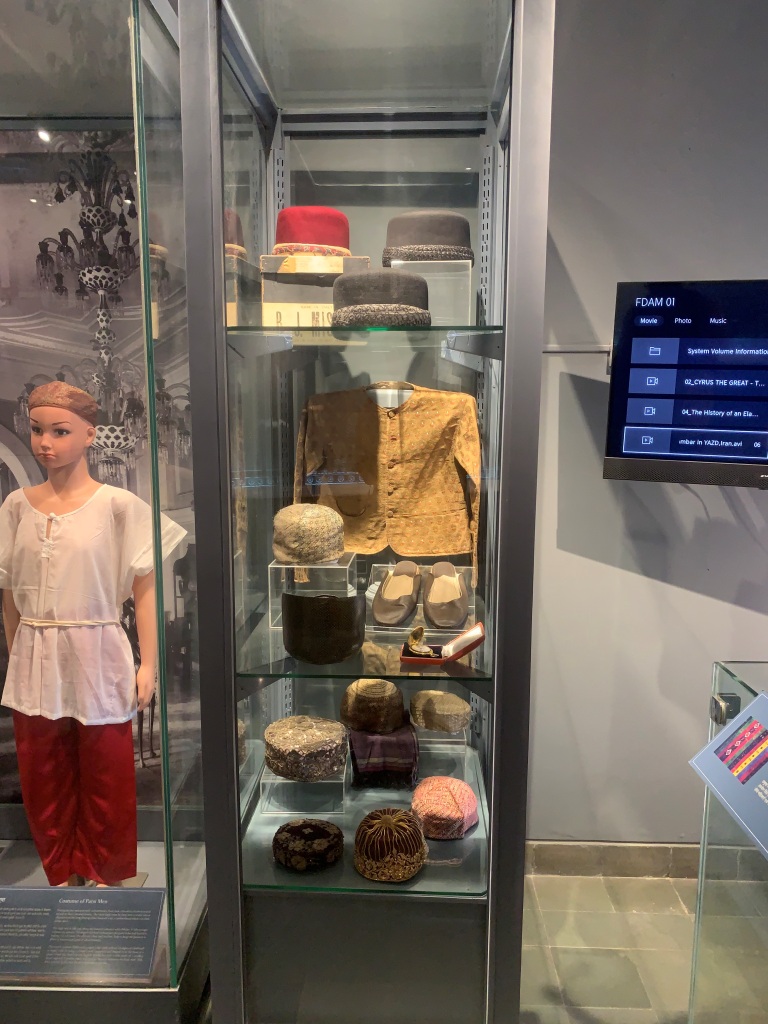
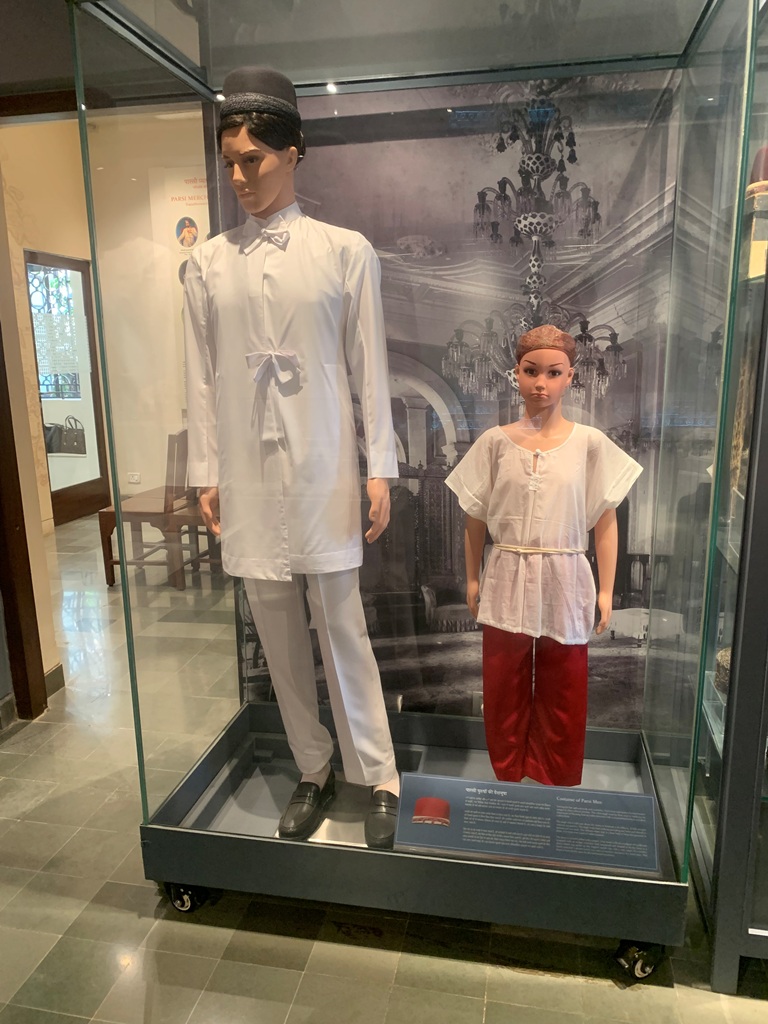
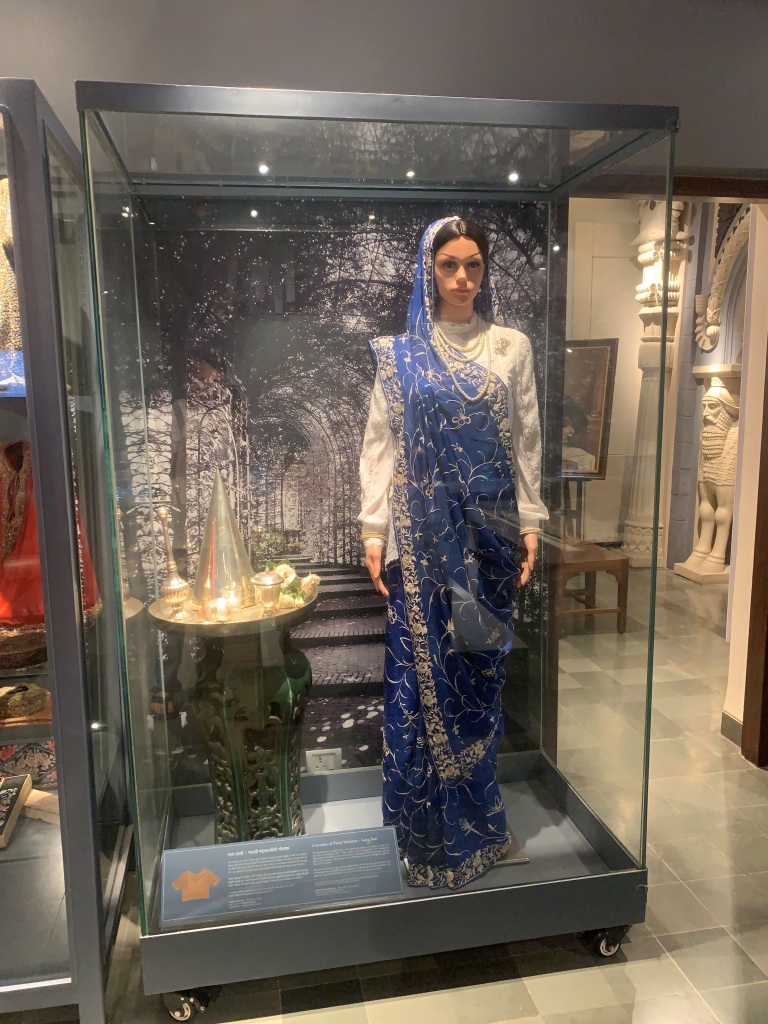
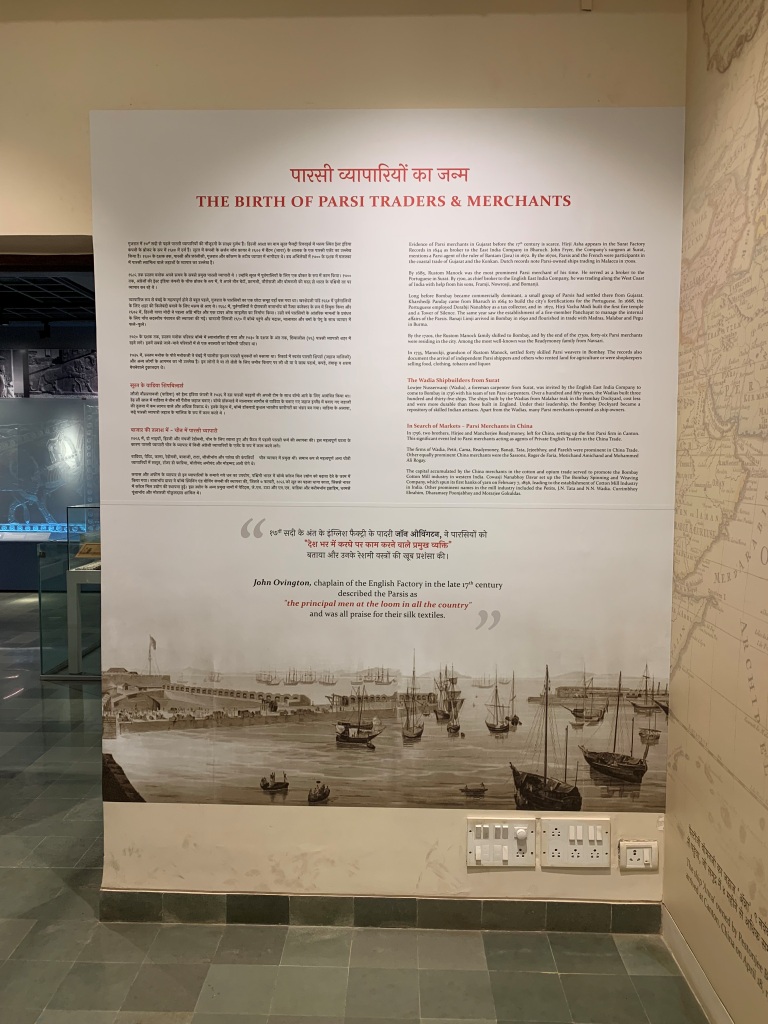
Beyond religion, the museum also highlights the social, economic, and cultural contributions of the Parsi community to India’s modern development. Parsis played a major role in trade, industry, philanthropy, and education during the colonial and early modern periods. Through photographs, documents, and personal artefacts, the museum presents the lives and achievements of prominent Parsi individuals and families who contributed significantly to shaping the urban and cultural landscape of Mumbai.
The Alpaiwalla Museum acts as a custodian of collective memory for the Parsi community, preserving traditions, stories, and objects that might otherwise be lost over time. The museum stands as an important cultural institution that preserves and interprets the heritage of the Parsi-Zoroastrian community in India. Through its collections, exhibitions, and educational initiatives, the museum not only safeguards historical artefacts but also strengthens cultural identity and promotes greater understanding of one of India’s most influential yet numerically small communities. As such, it represents an important example of how museums can function as spaces of heritage preservation, cultural education, and community representation.
Author:
Orijeet Borah