
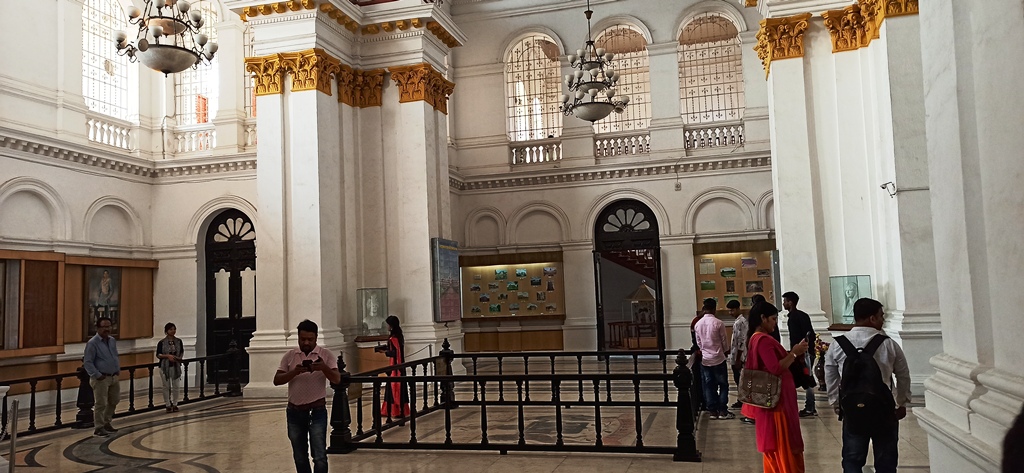
Cooch Behar Rajbari Museum
Rising gracefully in the historic town of Cooch Behar, the magnificent Cooch Behar Palace—popularly known as Rajbari and formally called the Victor Jubilee Palace stands as a testament to royal vision and architectural elegance. Built in 1887 by the enlightened Koch ruler Maharaja Nripendra Narayan, the palace reflects a remarkable fusion of Indian royalty and European aesthetic ideals.

Inspired by Buckingham Palace and designed in the classical Western style of the Italian Renaissance, the grand structure stretches 120 metres from north to south and 90 metres from east to west. This double-storied brick palace, raised on a 1.5-metre high basement, was once among the finest royal residences of British India. Its symmetrical façade, projected porch, and imposing Durbar Hall crowned with a graceful metal dome evoke comparisons with St. Peter’s Basilica. Some have even described it as resembling a stately Etruscan villa.

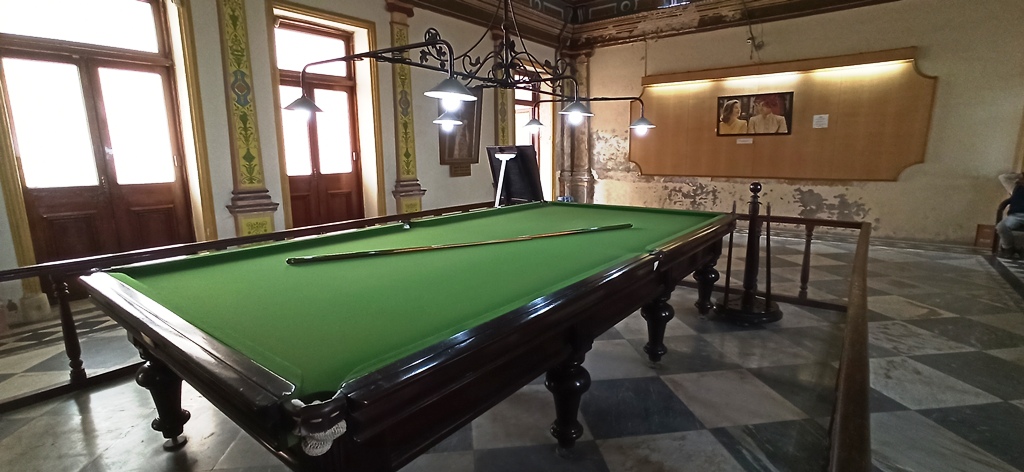
Inside, the palace once dazzled visitors with period furniture, ornate ceilings, and beautifully painted interior walls. With over fifty rooms and halls of varying dimensions, it housed bedrooms, dressing rooms, a drawing room, dining hall, billiard hall, library, toshakhana (treasury), ladies’ gallery, Chinese room, and grand vestibules—each echoing stories of regal splendour. Though an earlier three-storied structure suffered damage in the devastating 1897 Assam earthquake, the palace retained its stately presence.
Princess Gayatri Devi, daughter of Cooch Behar and later Maharani of Jaipur, fondly recalled in her autobiography A Princess Remembers how the palace stood slightly away from town, with its long brick façade and sweeping wings extending from the central Durbar Hall. She noted how thoughtfully it was designed to suit the Indian climate, with wide verandas shielding the rooms from the summer sun.
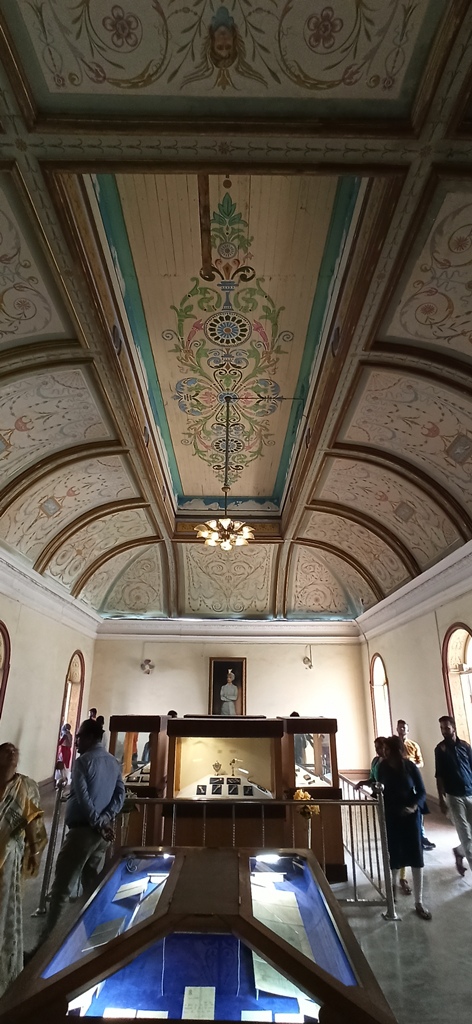
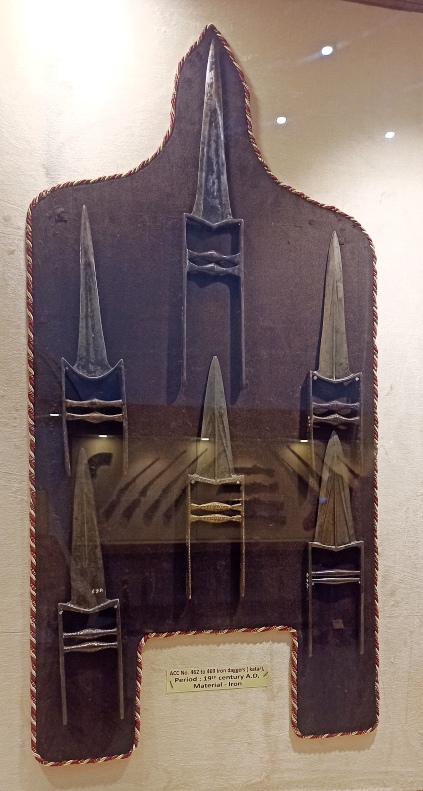
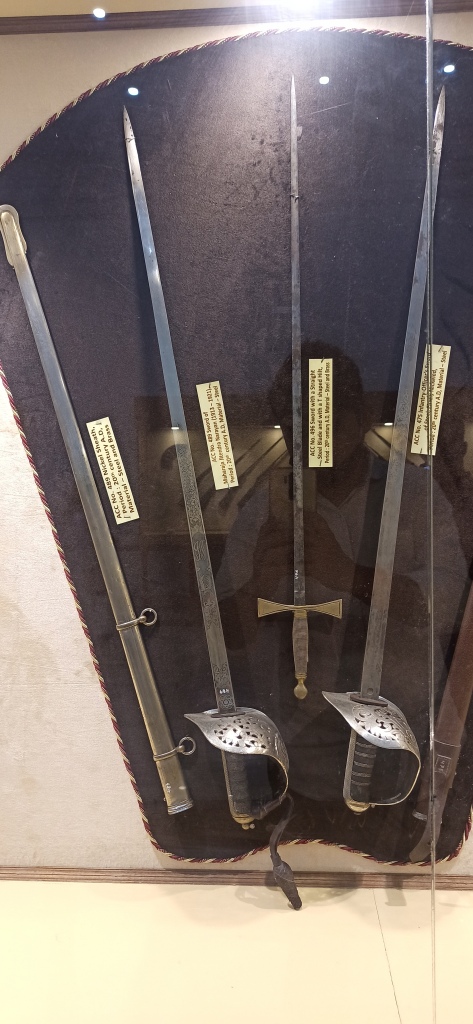
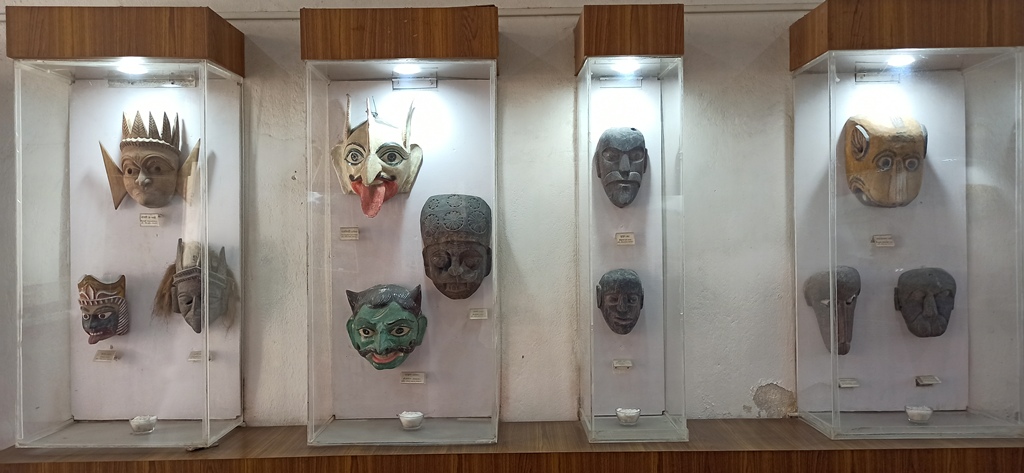
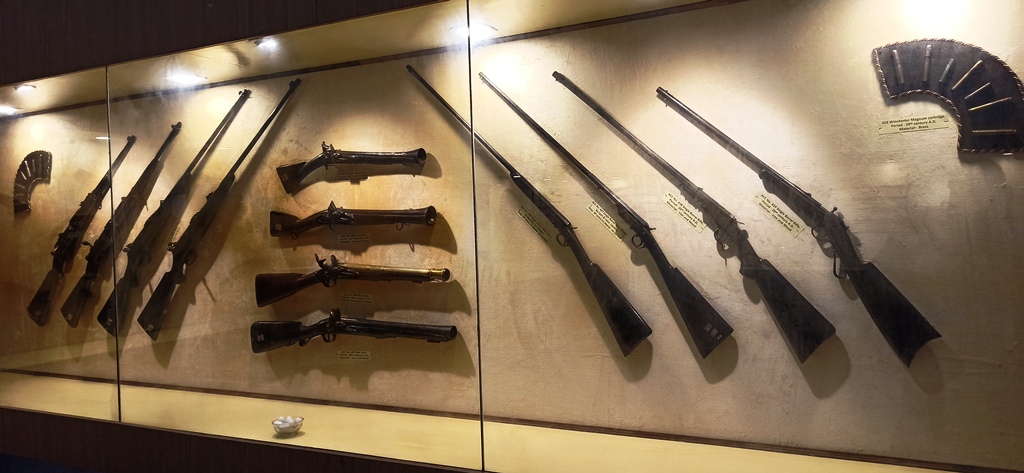
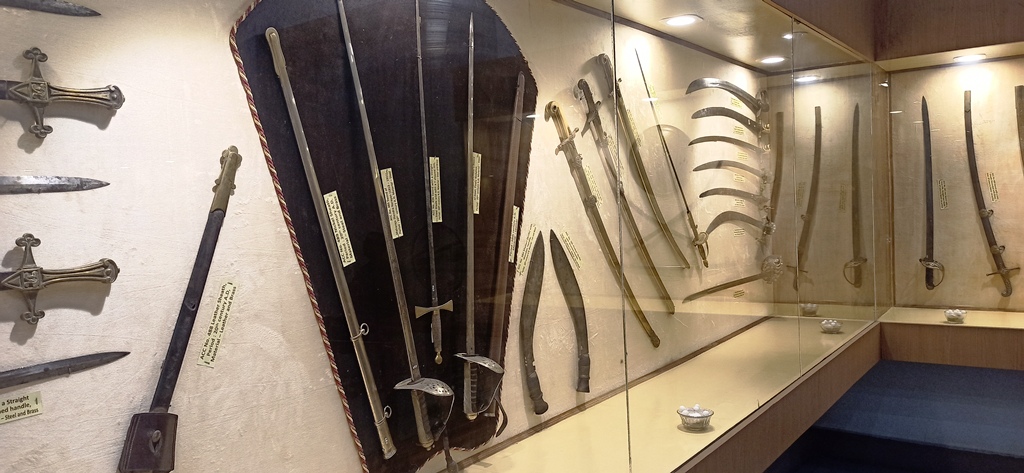
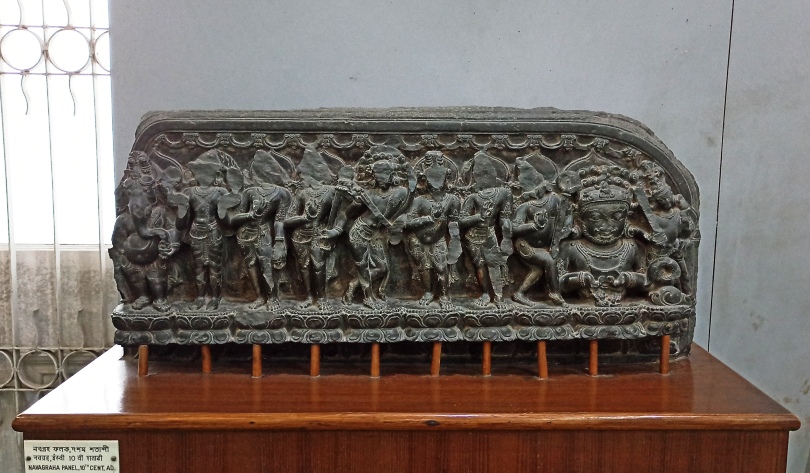
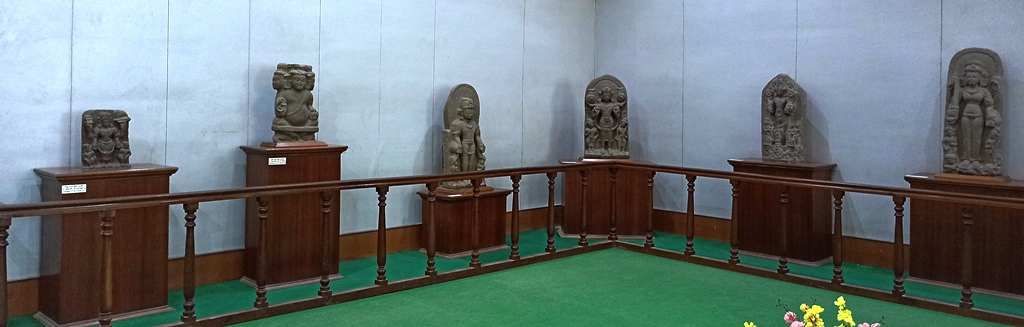
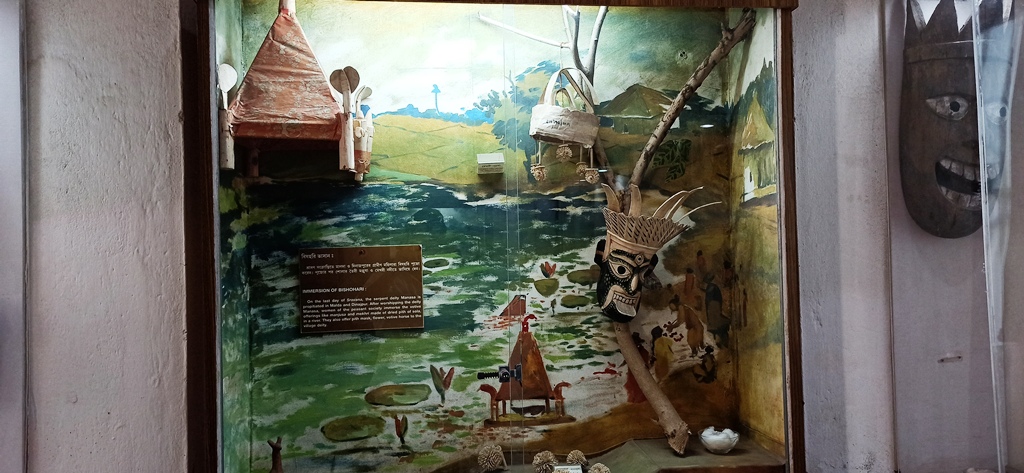
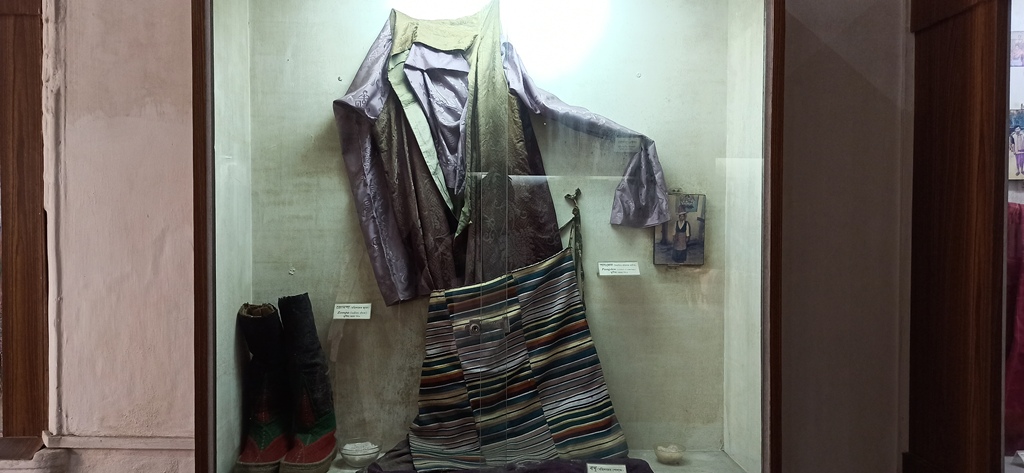
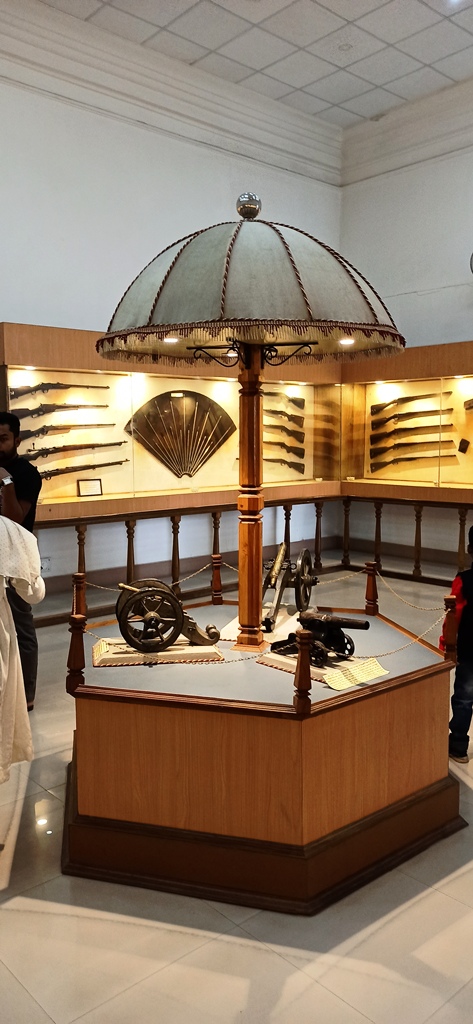
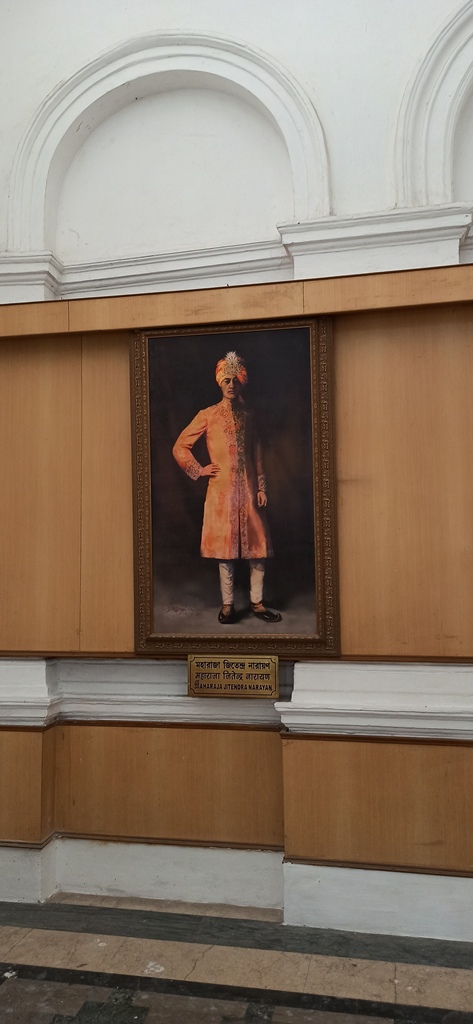
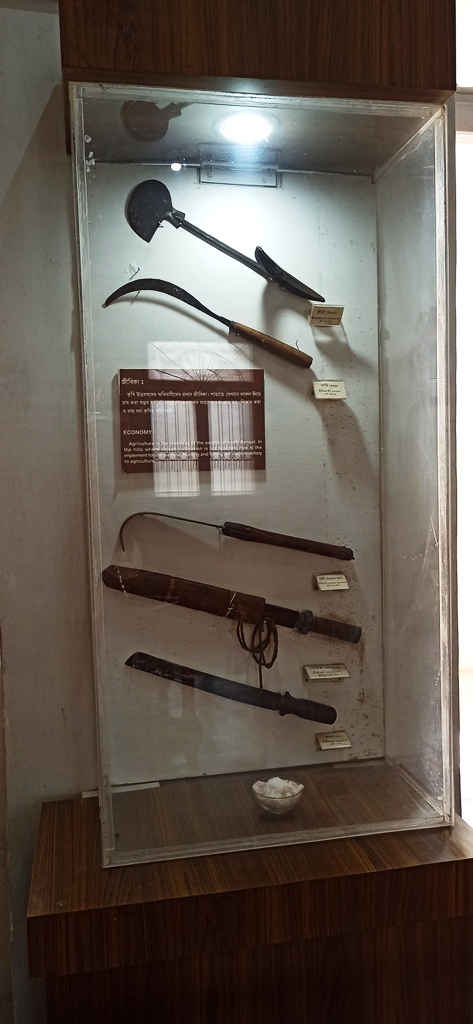
In 2002, this royal residence began a new chapter when it was converted into a museum. Today, eight galleries display 343 rare antiquities of the Koch dynasty. Visitors can explore exhibitions of arms and armour, billiards equipment, oil paintings, sculptures, and ritual objects—each artefact offering a glimpse into the grandeur of a bygone era.
Elegant, expansive, and steeped in history, Cooch Behar Palace remains not just an architectural marvel but a living reminder of a time when Indian royalty embraced global influences while preserving its own distinct identity.
