
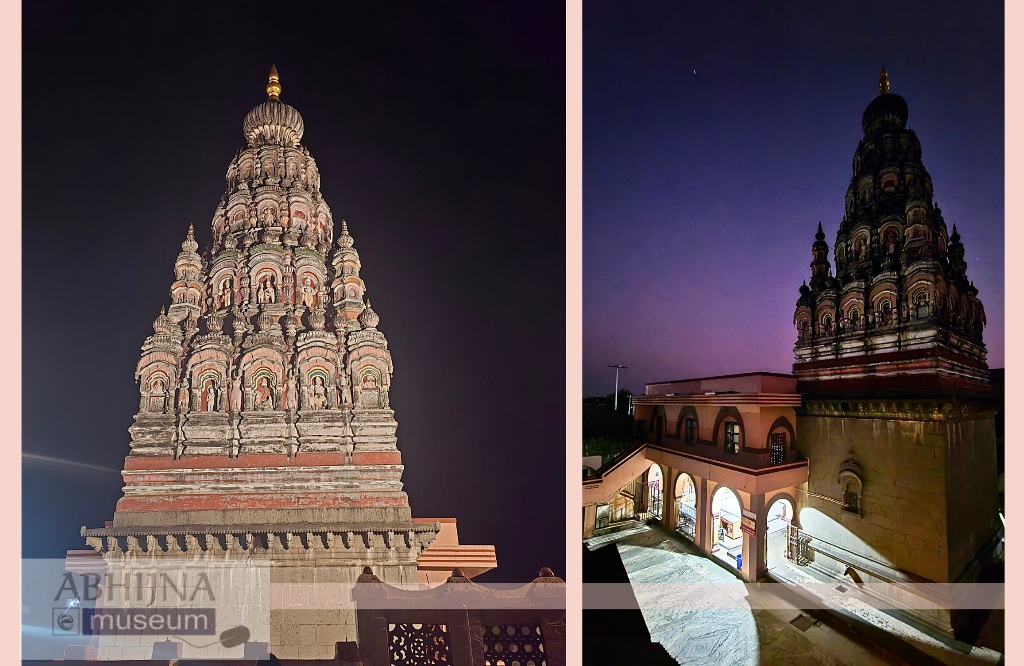
Sant Shree Sakharam Maharaj Temple: A Living Heritage of Faith and Community
Located about 13 km from the renowned Lonar Crater Lake, the Sant Shree Sakharam Maharaj Temple stands as an important centre of spiritual devotion and social heritage. For more than two centuries, the temple has preserved a remarkable tradition of faith, community participation, and service, rooted in the life and teachings of Sant Sakharam Maharaj.
Tangible Heritage: Architecture and Sacred Objects
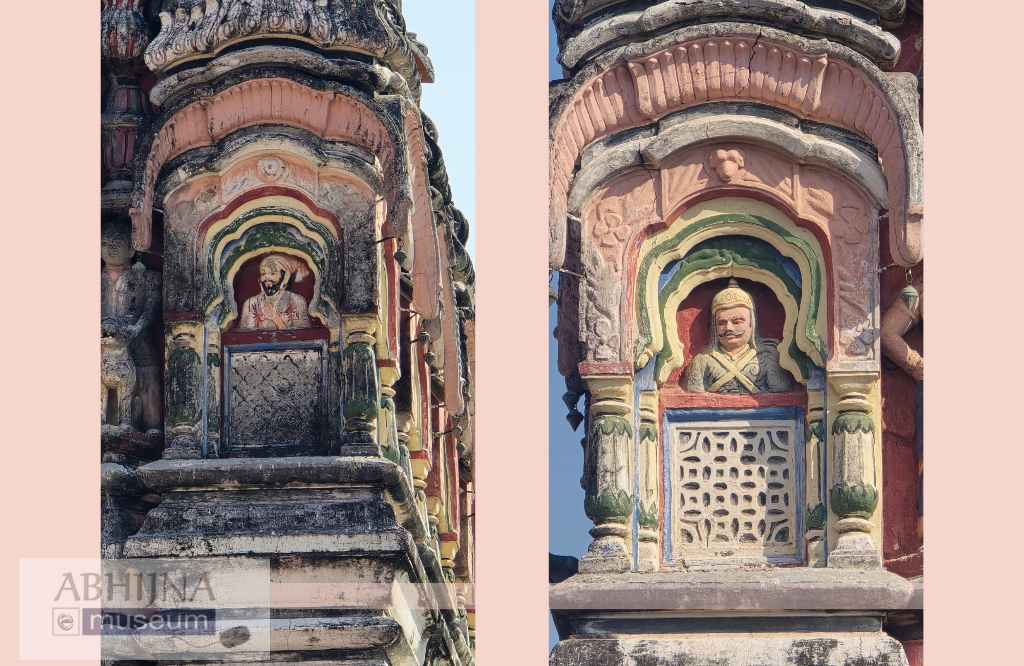
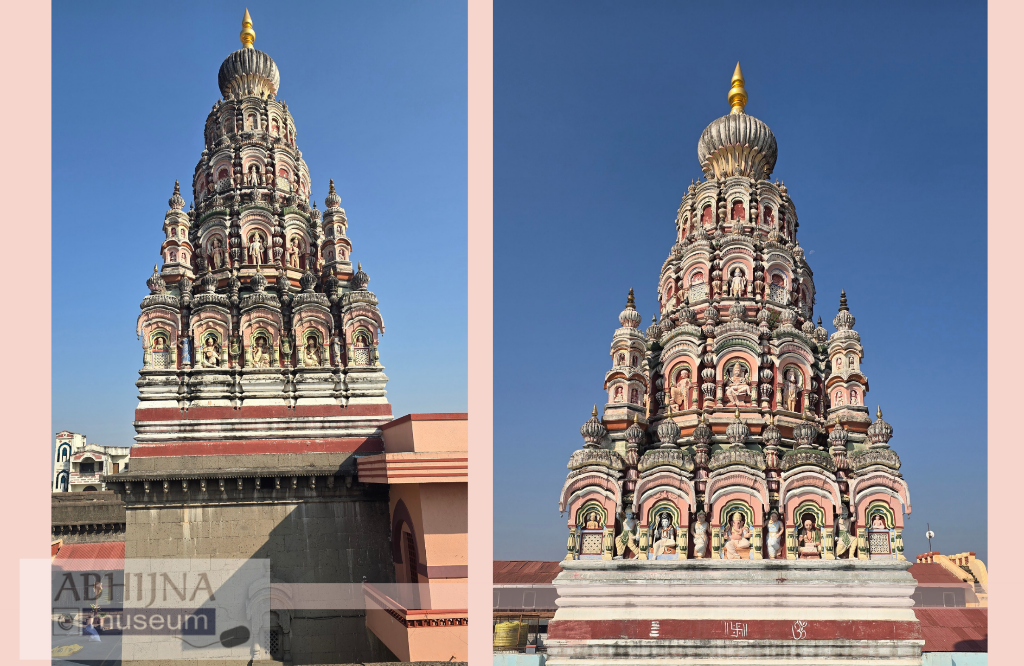
The temple’s physical form reflects both devotional fervour and skilled craftsmanship developed over generations. The shrine was originally constructed in 1880 as a small stone temple built at the site of the saint’s samadhi (final resting place). In 1925, it was expanded into a larger and more prominent structure featuring a towering shikhara rising approximately 80–90 feet and crowned with a golden dome, making it a striking landmark in the region.
Within the temple complex, visitors can observe the “Chunyacha Ghana,” a traditional lime mill used during the temple’s construction. Its distinctive wheel remains preserved as evidence of the period’s engineering practices and building techniques. The temple courtyard also houses an open hall that displays a collection of historic cooking utensils. These utensils were used in the temple’s large communal kitchens, which have served devotees and pilgrims since the mid-nineteenth century.
Another remarkable object associated with the temple is the Centenary Chariot (Rath), a magnificent three-storeyed wooden structure crafted in 1925 by the artisan Namdev Panchal. The chariot is used during the annual procession and is notable for its unusual construction technique—its components are assembled using nuts and bolts rather than traditional wooden joinery, making it an engineering curiosity for its time.
Cultural Heritage: Rituals, Beliefs, and Traditions
The temple’s cultural identity is closely tied to the spiritual life of Sant Sakharam Maharaj, born in 1786 and revered for his ascetic discipline and spiritual practices. One tradition associated with the temple is distributing Mahaprasad during the saint’s Punyatithi (death anniversary), observed on Kartik Amavasya. On this occasion, thousands of devotees receive a sacred meal consisting of shira, puri, and vegetables. According to local belief, keeping a puri from this offering in the household grain storage ensures that the family will never face a shortage of food.
The temple rituals also reflect a strong spirit of communal harmony. Various communities participate in ceremonial roles during major events. The Gosavi and Vanjari communities are traditionally accorded the honour of performing the first puja during the Mahaprasad ceremony, while members of the Sutar community lead the Palakhi (palanquin) procession.
Sant Sakharam Maharaj is remembered for practising Jalstambh Yoga, a form of intense penance performed while standing immersed in water. He is believed to have undertaken such austerities at sacred sites including the Kamalja Devi Temple and along the banks of the Ganges in Varanasi.
An important annual event associated with the temple is the Loni Jatra, a vibrant religious fair held between October and December, from Kartika Vad 14 to Margashirsha Sud 2 according to the traditional calendar. The fair attracts lakhs of devotees who visit the shrine, believing the saint grants blessings for health, family well-being, and the fulfilment of vows.
Social and Contemporary Legacy
Beyond its spiritual significance, the temple has played a meaningful role in social welfare and community service. During the Hyderabad Mukti Sangram, the temple provided food and shelter to more than 1,500 activists involved in the struggle.
Continuing this tradition of service, the Sakharam Maharaj Sansthan established educational and welfare initiatives in 1966. The temple trust has since operated schools and hostels that provide free education and meals to students from economically disadvantaged backgrounds, reinforcing the institution’s enduring commitment to both spiritual and social upliftment.
Today, the Sant Shree Sakharam Maharaj Temple remains not only a place of devotion but also a living heritage site where architecture, ritual practice, community participation, and social service come together to sustain a vibrant cultural legacy.