
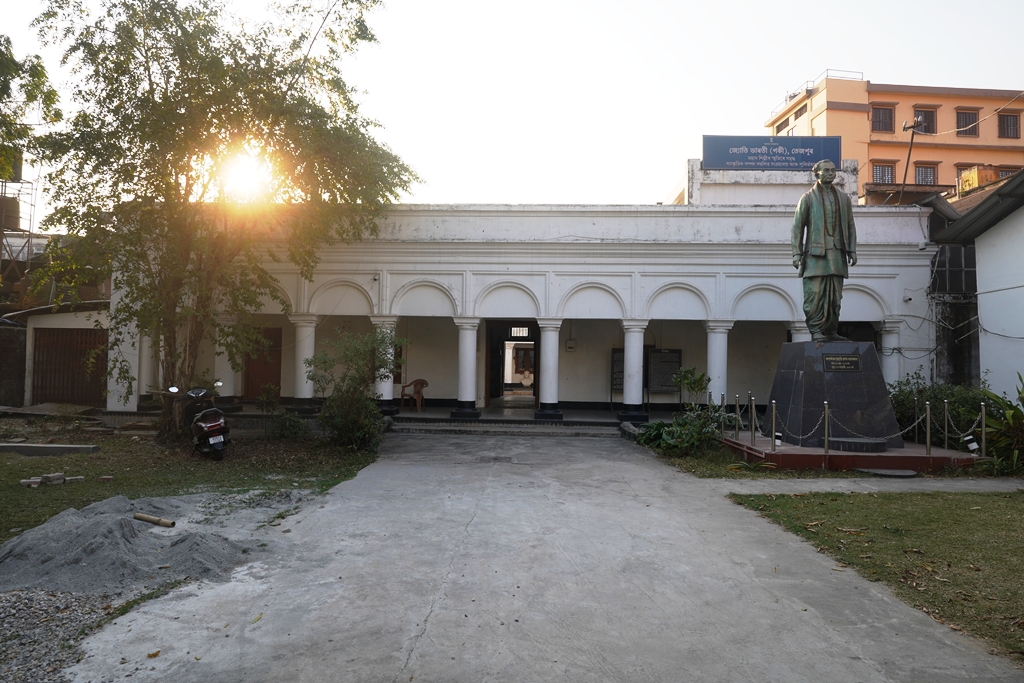
Poki: The Cradle of Assam’s Cultural Renaissance
In the cultural landscape of Tezpur stands Poki, the ancestral home of Jyoti Prasad Agarwala—revered as Rupkonwar and celebrated as the architect of modern Assamese cultural renaissance. Built in 1874 by his grandfather Haribilas Agarwala, a pioneering tea planter and merchant, Poki was among the first pucca houses in Tezpur and soon became a centre of art, reform and nationalism.

Architecturally, the house reflects a graceful blend of Rajasthani and Ahom styles. Constructed with small flat bricks and walls two-and-a-half feet thick, the building measures about 60 feet in length, 70 feet in width and 18 feet in height. A spacious 50×20 feet open courtyard paved with flat stone slabs lies at its heart, allowing light and air to circulate freely. With ten rooms, a circular staircase to the terrace, a front verandah supported by round pillars, and sturdy roofing once held by sal wood beams, Poki remains remarkably intact despite the great earthquakes of 1897 and 1950.

The Agarwala family, originally from Rajasthan, became deeply integrated into Assamese society and produced illustrious personalities such as Ananda Chandra, Paramananda, Chandra Kumar and Jyotiprasad. Within these walls, discussions on literature, art, religion and the freedom movement flourished. Haribilas played a pioneering role in preserving and printing Vaishnavite manuscripts of Srimanta Sankardev, making them accessible to the public.

Poki also emerged as a nerve centre of India’s freedom struggle. It hosted national leaders including Mahatma Gandhi, Jawaharlal Nehru, Motilal Nehru, Rajendra Prasad, Lala Lajpat Rai and others. Gandhi wrote his famous essay “Beautiful Assam” during his stay here, and the courtyard witnessed bonfires of foreign cloth during the Non-Cooperation Movement.

It was at Poki that Jyotiprasad created Joymoti, the first Assamese film, and later worked on Indramalati. A young Bhupen Hazarika once rehearsed songs here. The house resonated equally with music, patriotic songs and revolutionary ideas.

Jyotiprasad passed away here on 17 January 1951, leaving behind an immortal legacy. In 1977, the Agarwala family handed Poki over to the Government of Assam for preservation. A year later, ‘Jyoti Bharati’ cultural centre was established within its premises.
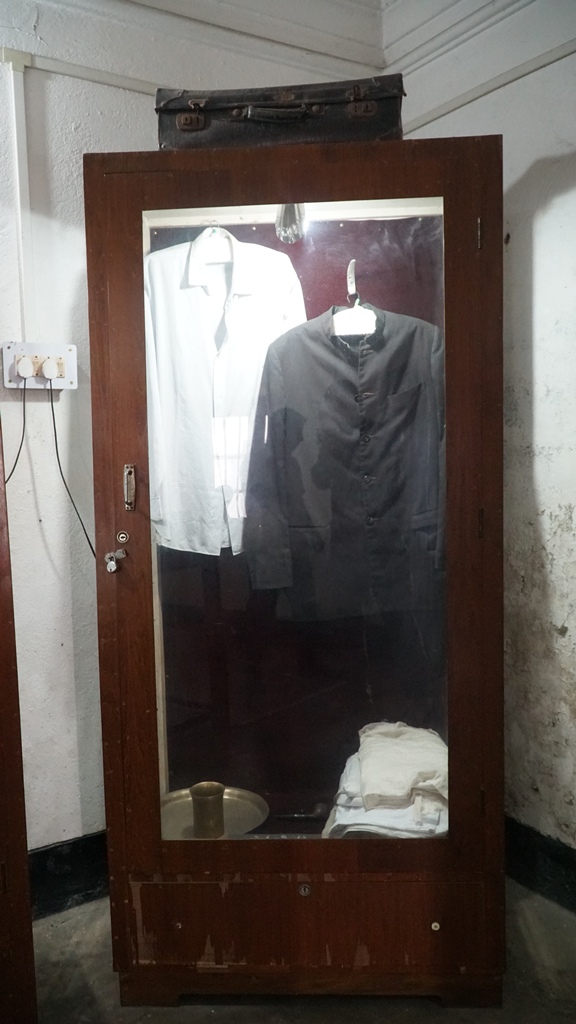
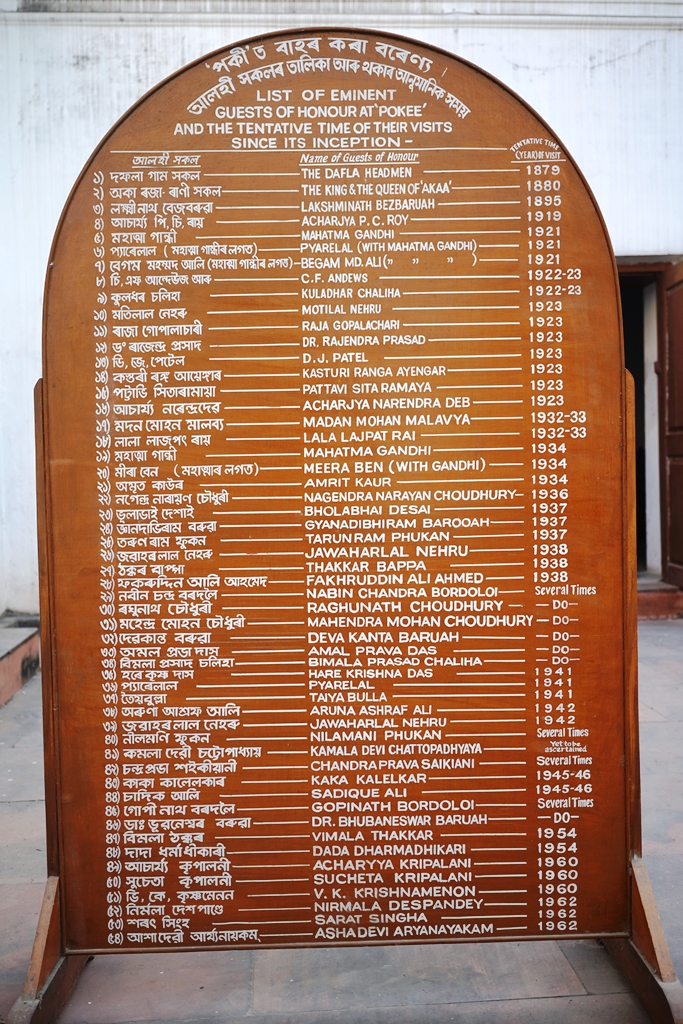
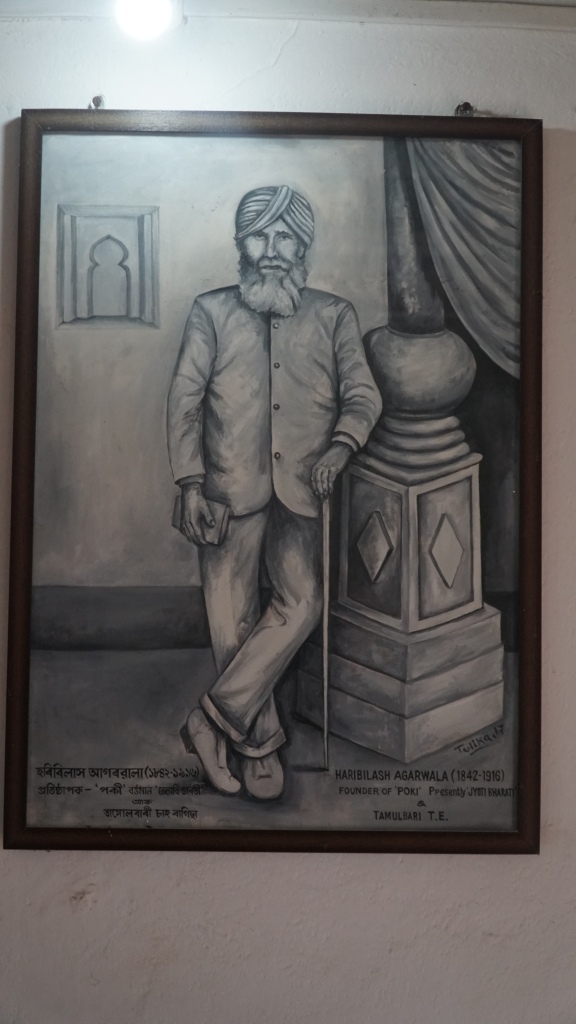
Though the krishnachura trees and fruit-laden backyard of earlier days have faded into memory, the main structure still stands firm—an enduring symbol of Assam’s artistic awakening and freedom movement. More than a house, Poki is a living memorial, carrying within its bricks the spirit of a renaissance that shaped modern Assam.