
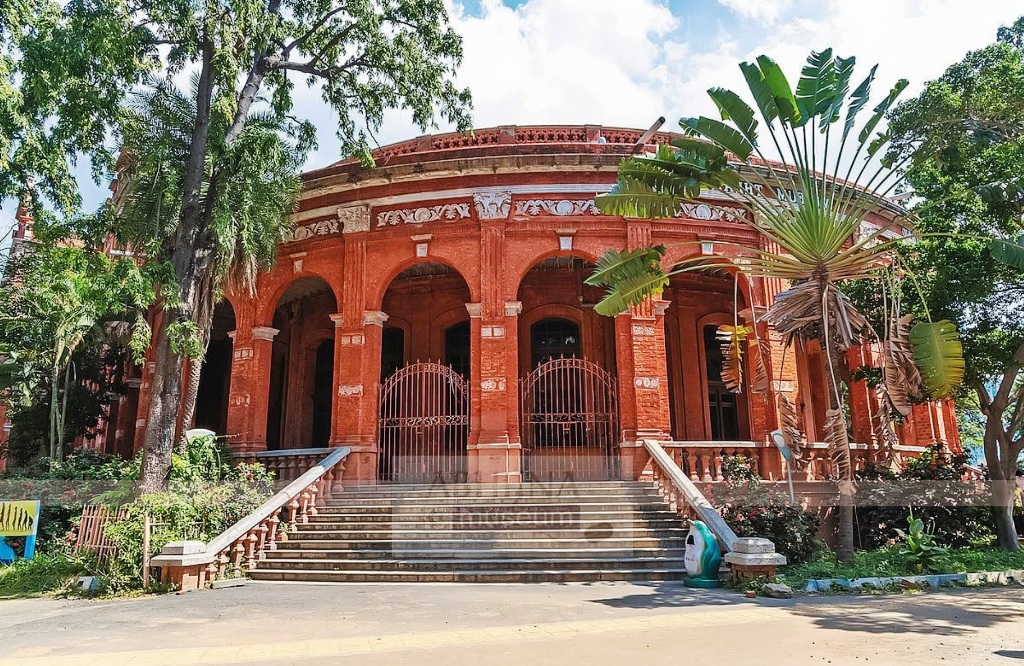
The Government Museum, Chennai, popularly known as the Madras Museum, is one of India’s oldest and most significant museums. Established in 1851, the museum has evolved over more than a century and a half from a modest repository of geological specimens into a major multidisciplinary institution devoted to preserving, studying, interpreting, and disseminating India’s cultural, artistic, archaeological, anthropological, and natural heritage. (Government Museum, Chennai, 2024) As India’s second-oldest museum, it holds an important place in the country’s museum history and development. (Government Museum, Chennai, 2026)
Located in Egmore on Pantheon Road, the museum is situated on a historic campus spanning approximately 16.25 acres and includes architecturally significant buildings, galleries, gardens, and cultural facilities. (Government Museum, Chennai, 2024) Unlike museums contained within a single monumental structure, the Madras Museum has developed as a complex where architecture, collections, scholarship, conservation, and public engagement have evolved in tandem. The campus itself constitutes an important element of the museum experience and exemplifies the developing nature of museum architecture and institutional growth in South India.
The museum originated with the Madras Literary Society, which proposed its establishment in 1846. After the East India Company approved it, Dr Edward Balfour was appointed the first officer in charge in January 1851. (Thurston’s days at Madras Museum, 2010) Initially, the museum operated from the College of Fort St. George and began with approximately 1,100 geological specimens from the Madras Literary Society. (Aiyappan, 1952, pp. 24-27) As the collections expanded, the museum relocated in December 1854 to the Pantheon, a historic complex previously used for public gatherings, banquets, balls, and theatrical performances. (Thurston’s days at Madras Museum, 2010) This move established the museum at its current site and laid the foundation for its subsequent development.
In the late nineteenth and early twentieth centuries, the museum expanded significantly. The Front Building and Museum Theatre opened in 1896, and a new extension was added in 1939 to facilitate the chronological display of stone sculptures. The Victoria Technical Institute building, constructed in 1909, was later incorporated into the museum complex and currently houses the National Art Gallery. (Ramaswamy, 1996) These developments gradually transformed the Pantheon complex into a major cultural precinct that accommodates collections showing diverse aspects of India’s history, art, science, and society.
The museum’s history demonstrates its enduring responsibility for safeguarding collections during periods of crisis. Between 1941 and 1946, during the Second World War, portions of the museum complex were converted for wartime needs, and several galleries served as storage areas. Staff relocated valuable objects, such as bronzes, copper-plate grants, selected coins, and relic caskets, to secure sites. The large Amaravati sculptures, which could not be moved, were protected on site. (Government Museum, Chennai, 2026) This episode highlights the museum’s experience in emergency collection management and emphasises the significance of preparedness, preventive conservation, and safeguarding cultural property.
The museum marked its centenary in 1951, with celebrations inaugurated by Prime Minister Jawaharlal Nehru. In 1963, a dedicated building was constructed to house the museum’s significant collection of South Indian bronzes. (Government Museum, Chennai, n.d.) Over time, the institution has evolved into a multidisciplinary museum, integrating archaeological, artistic, anthropological, numismatic, and natural-history collections inside a unified institutional framework.
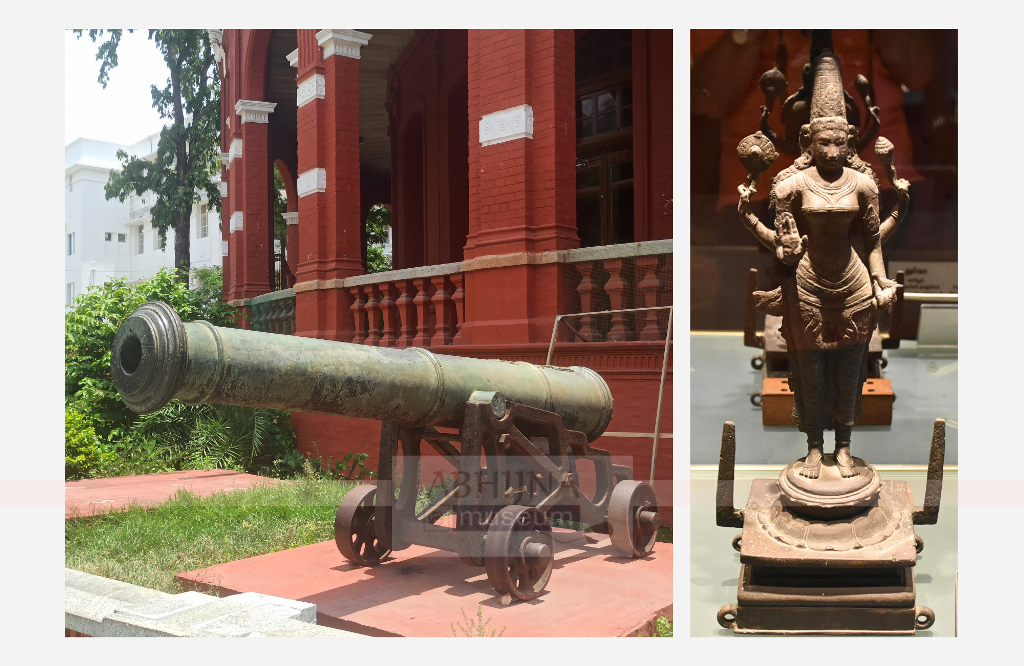
The architectural character of the Madras Museum is a defining feature. The campus comprises historically significant structures from various periods of institutional growth. Notably, the Museum Theatre, built in 1896, illustrates the Indo-Saracenic style. (Government Museum, Chennai, 2024) The combination of historic buildings, verandahs, courtyards, galleries, and landscaped areas creates an environment that improves the collections on display. Thus, the museum campus functions not only as a collection of exhibition spaces but also as an integrated heritage landscape, museum complex, and cultural precinct.
The Government Museum is distinguished by the exceptional breadth and diversity of its collections. Major collection areas include archaeology, numismatics, art, anthropology, geology, botany, zoology, and children’s education. The archaeological holdings include sculptures and artefacts from various regions and historical periods of the Indian subcontinent, while the natural-history collections document the region’s geological, botanical, and zoological diversity. This cross-disciplinary approach embodies a longstanding conception of the museum as a comprehensive institution for studying nature, humanity, and civilisation.
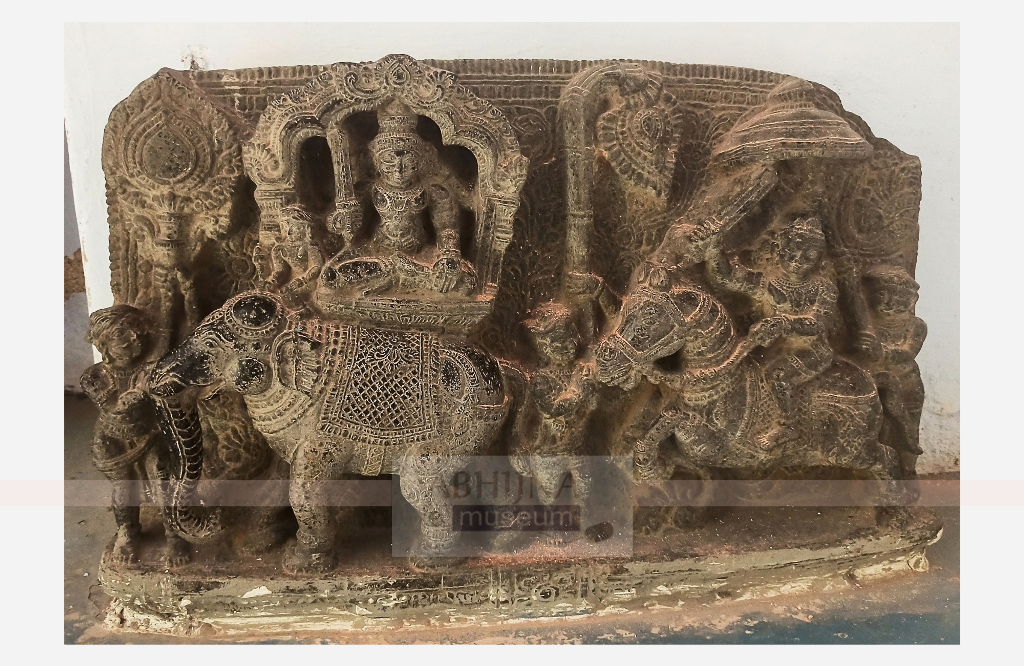
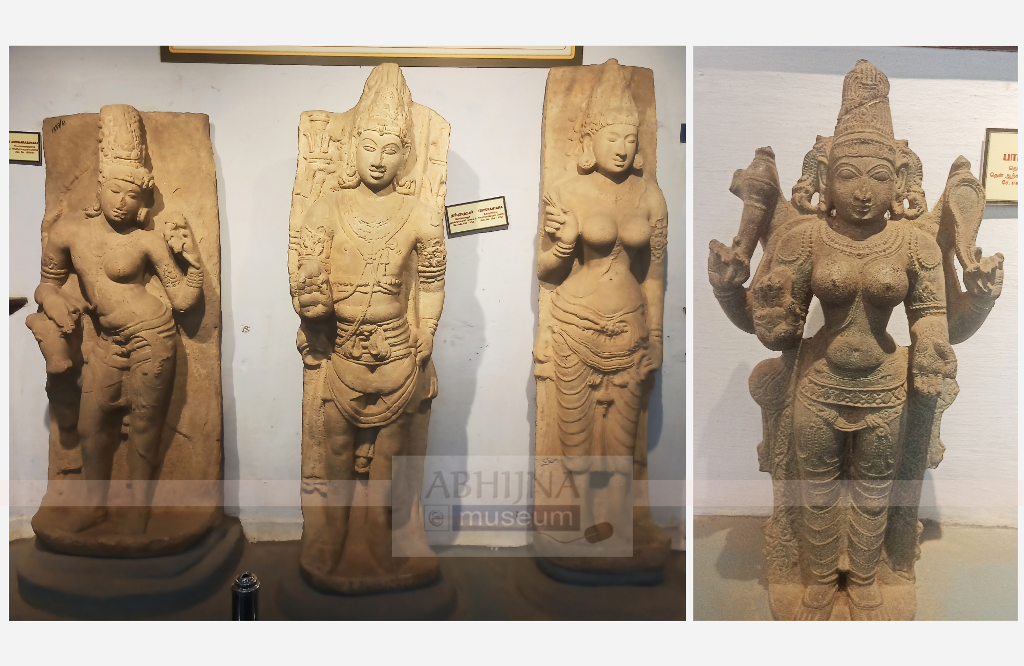
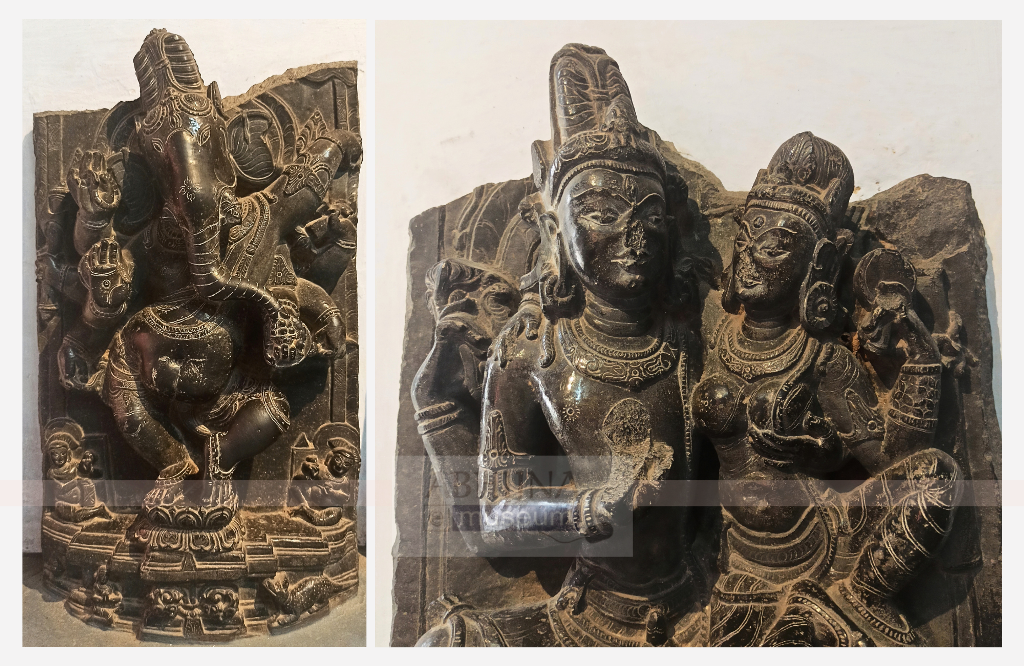
The archaeological collections are among the museum’s primary attractions. These include South and North Indian sculptures, Hindu and Jain sculptures, Amaravati sculptures, inscriptions, copper-plate grants, hero and memorial stones, wood carvings, and other archaeological materials. Together, these objects provide evidence of religious beliefs, artistic traditions, political institutions, technological developments, and social practices across various historical periods.
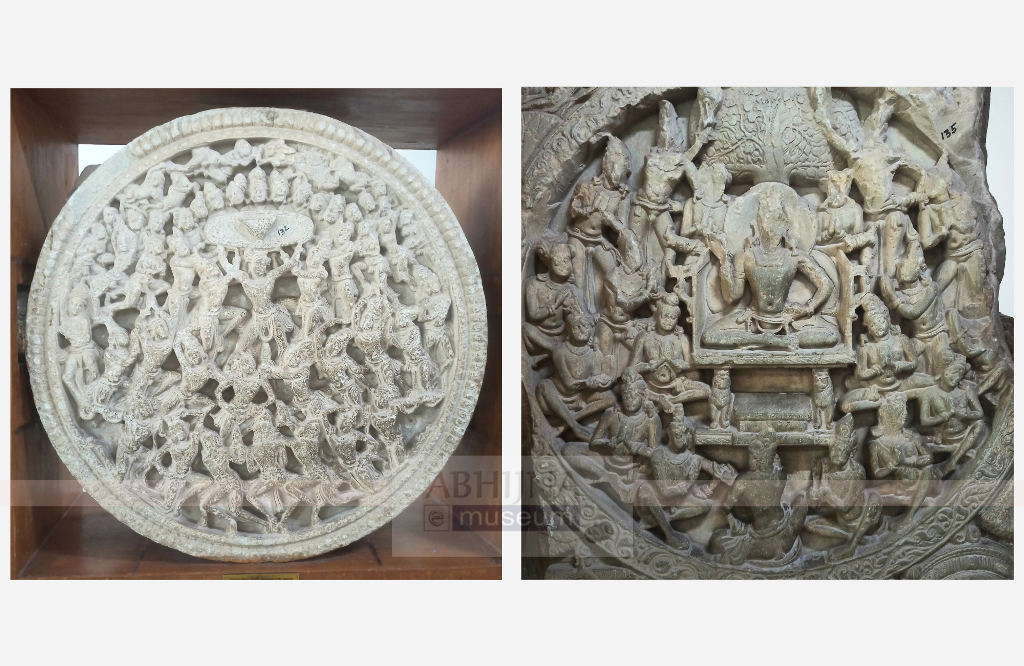
One of the museum’s most significant archaeological holdings is the Amaravati collection, linked to the ancient Buddhist centre of Amaravati in present-day Andhra Pradesh. These sculptural remains are important for understanding the evolution of Buddhist art and narrative relief traditions in South Asia. The collection additionally highlights the Madras Museum’s role in recording and preserving archaeological discoveries from the nineteenth and early twentieth centuries.
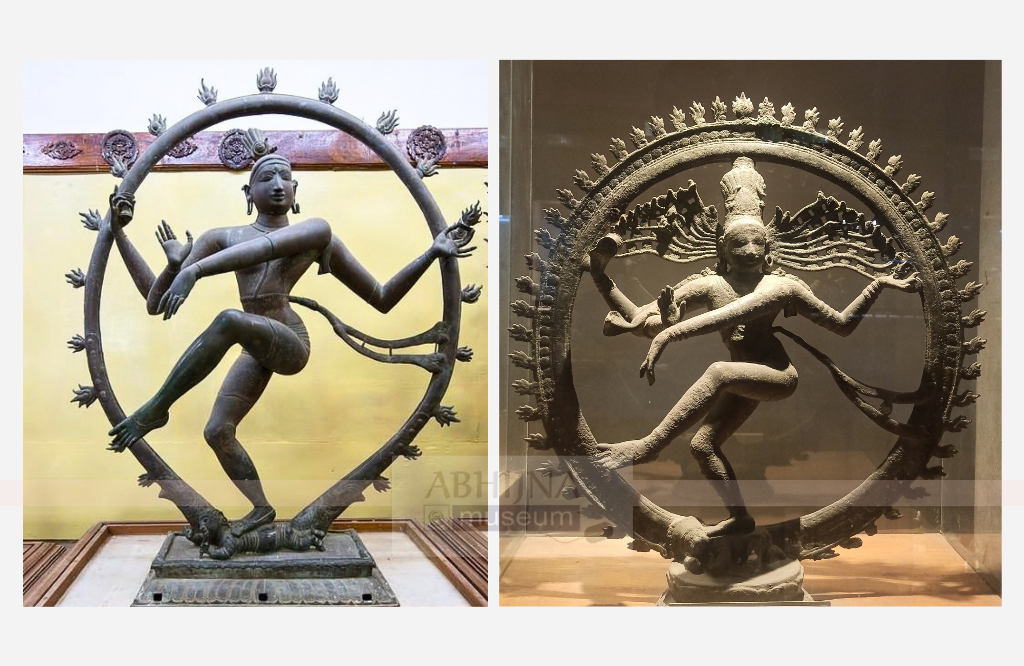
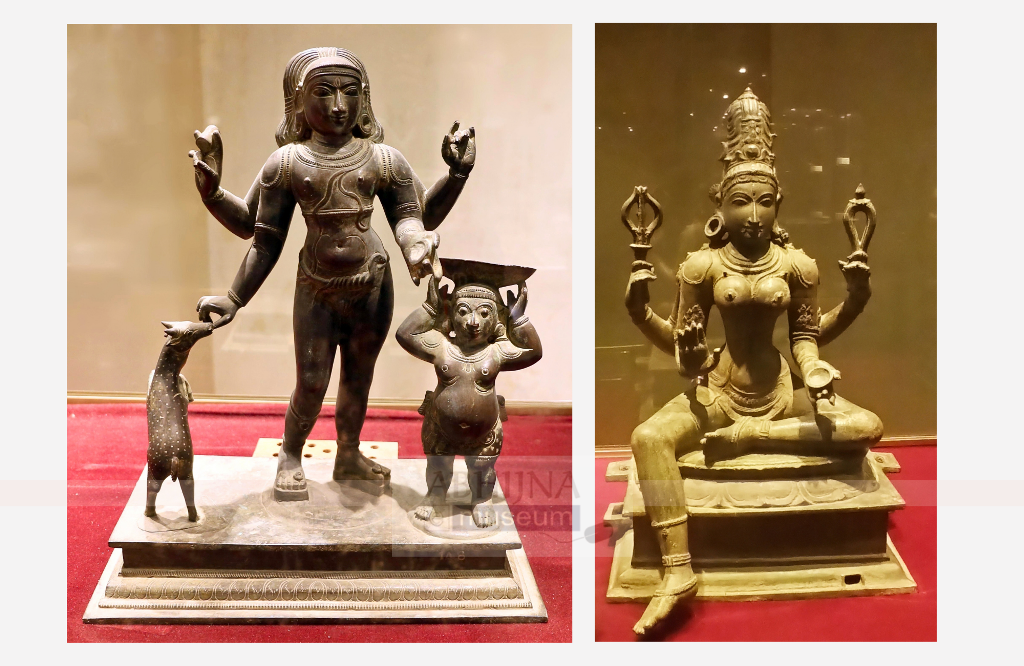
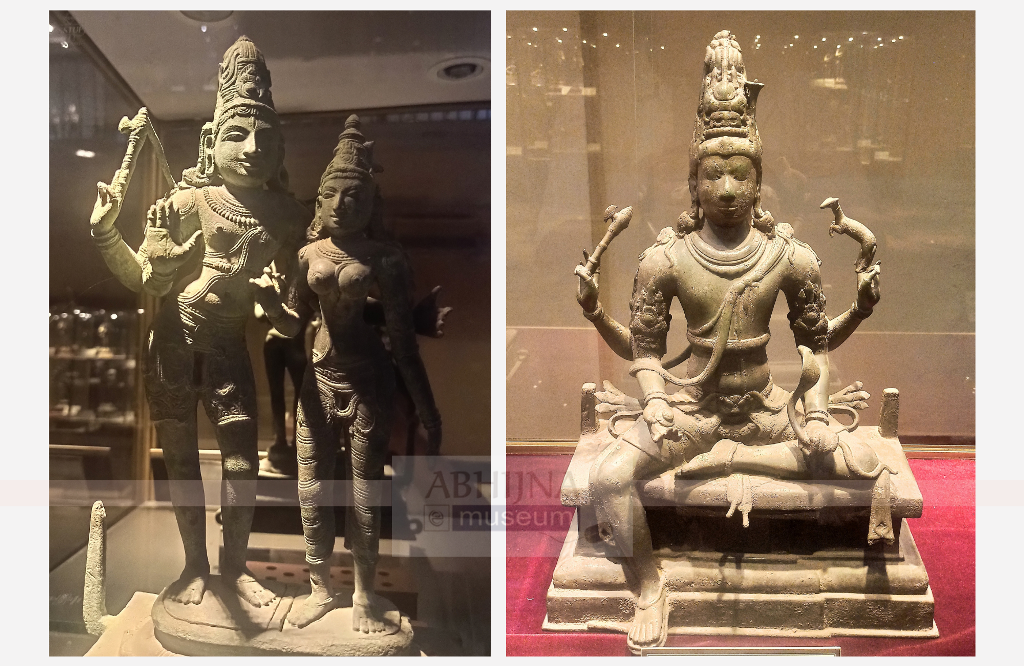
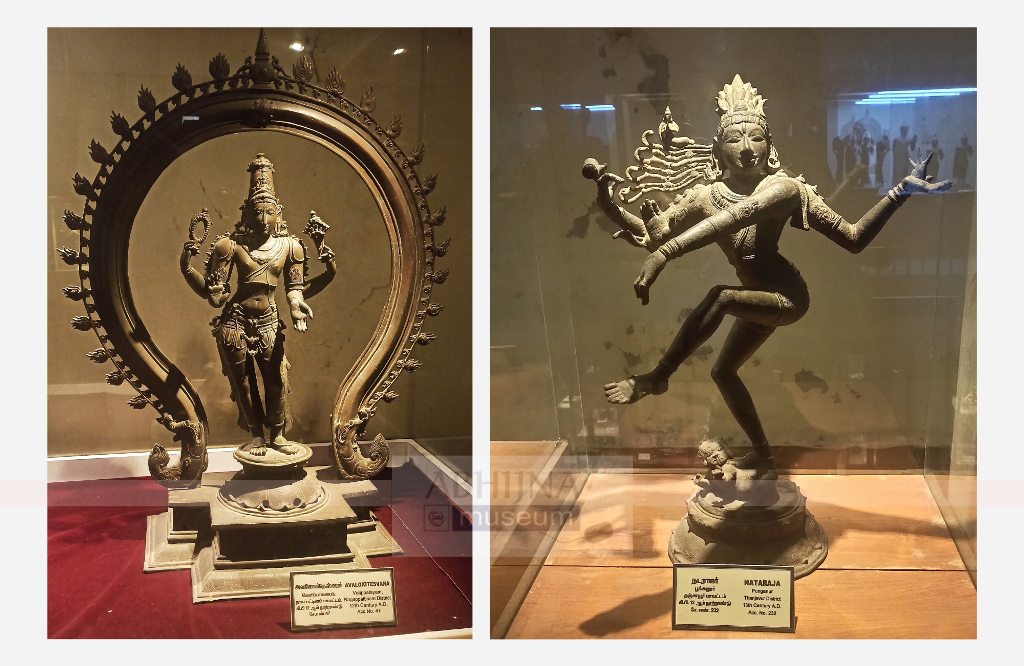
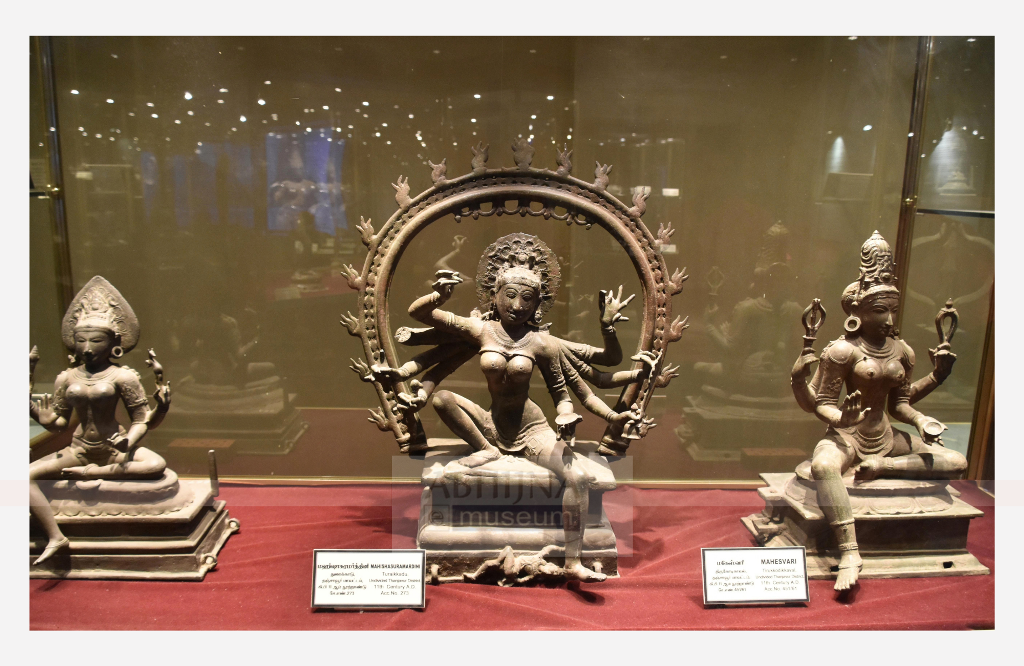
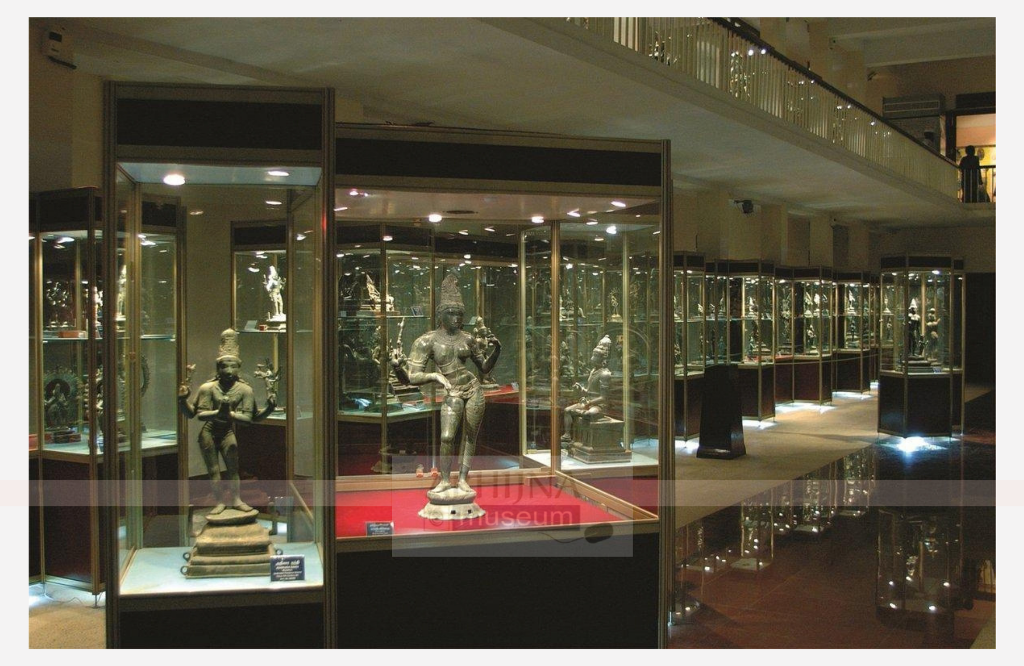
The museum is internationally famous for its collection of South Indian bronzes, particularly those associated with the Chola period. The Bronze Gallery demonstrates the extraordinary technical expertise of South Indian metalworkers and the sophisticated relationship between metallurgy, iconography, proportion, movement and religious symbolism. Among its celebrated masterpieces is the 11th-century Nataraja from Tiruvalangadu, representing Shiva in his universal dance. (NATARAJA – Tiruvalangadu, n.d.) The bronze collection includes representations associated with Saivite, Vaishnavite, Buddhist, and Jain traditions and offers important insight into the relationship between art, ritual, craftsmanship, patronage, and religious practice. Many South Indian bronzes were conceived not simply as static works of art but as sacred images intended to participate in temple rituals and processions.
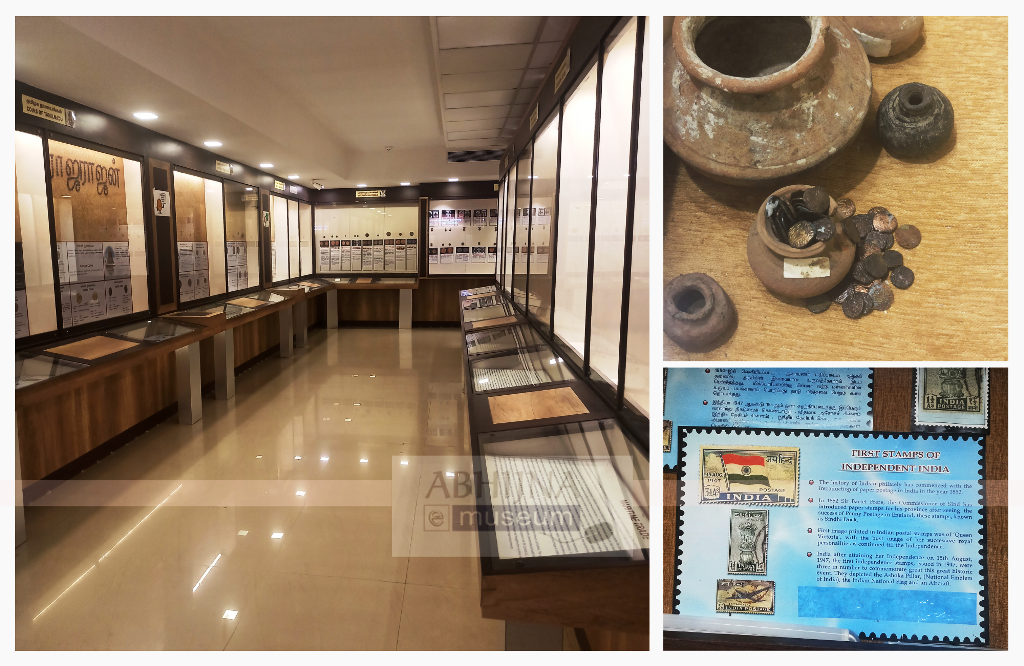
Another important component of the museum is its numismatic collection, which comprises coins and medals belonging to different historical periods. Coins provide compact but valuable evidence of political authority, economic systems, trade networks, technological developments and cultural interaction. Notable holdings include the Dowleshwaram hoard of gold coins associated with Rajaraja I and Kulottunga I, as well as the Chengam hoard of copper coins. (Kannan & India), 2003). Through these collections, numismatics complements archaeological and historical interpretation by providing material evidence of economic and political history.
The anthropological and ethnographic collections further expand the museum’s scope from archaeological cultures to living and historical traditions of human communities. These collections include material relating to prehistory, ethnology, physical anthropology, folk art, folk religion, puppetry, arms and armour, musical instruments, and other forms of material culture. Such objects show how everyday belongings, ritual objects, clothing, musical instruments, weapons, and folk traditions can give valuable insights into social organisation, belief systems, community identity, and cultural practices.
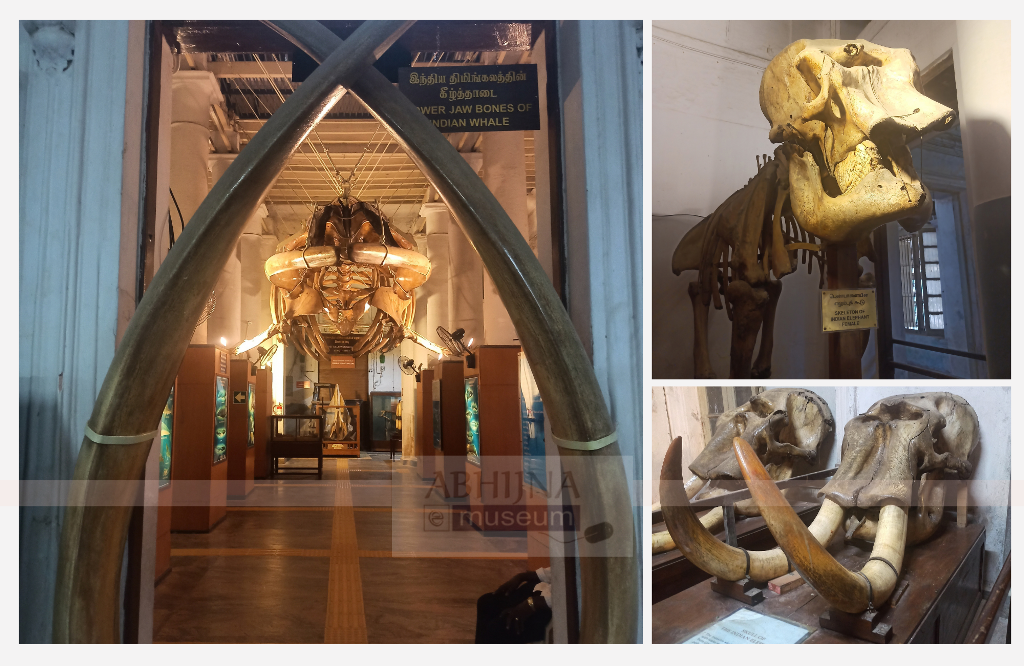
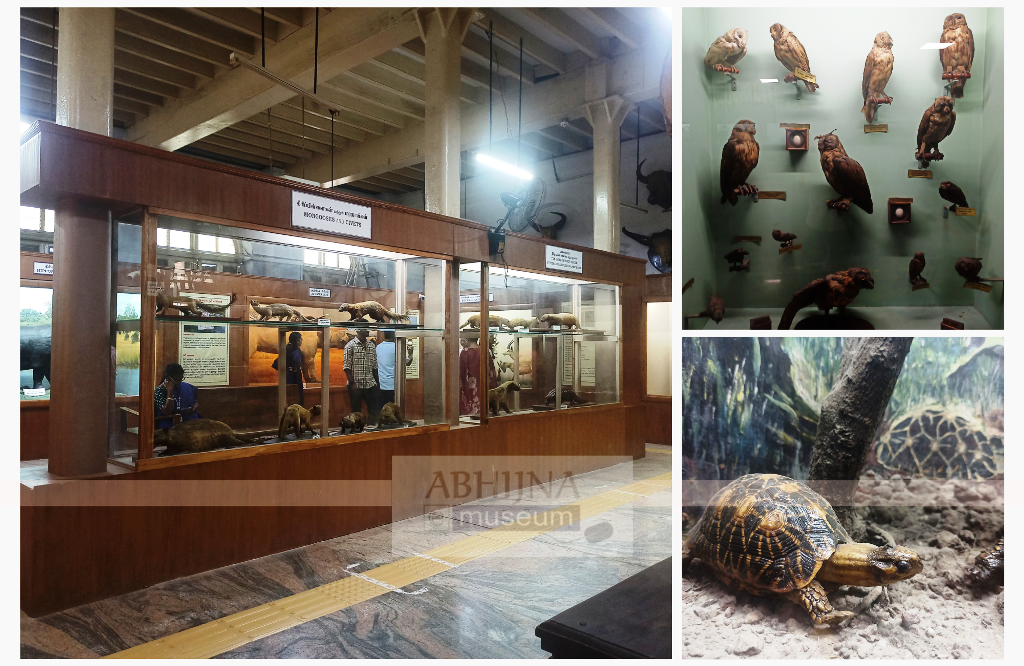
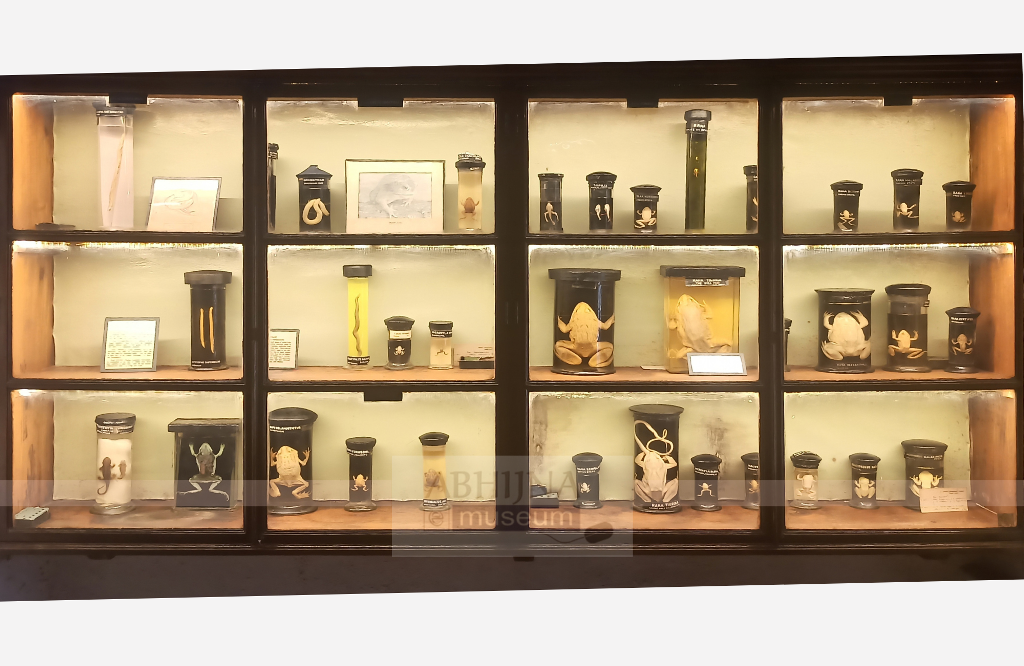
Another distinctive feature of the Madras Museum is its extensive natural-history collections alongside cultural heritage. The zoological collections include specimens representing mammals, birds, reptiles, amphibians, fishes, corals and invertebrates, while the botanical collections document systematic and economic botany. The geological collections include rocks, minerals, and fossils. These collections, along with archaeological and artistic material, reflect the historical development of museums as institutions that study and document both the natural and cultural worlds.
The museum’s art collections provide another important dimension to its cultural profile. The National Art Gallery, housed within the historic museum complex, contains collections representing different traditions of Indian painting and visual art. Works by artists such as Raja Ravi Varma, traditional Indian paintings, British portraits, and other forms of artistic expression add to a broader narrative of the development of Indian art. Together with the archaeological sculptures and bronzes, these collections establish a continuum between ancient artistic traditions, classical forms, traditional visual culture and later artistic expression.
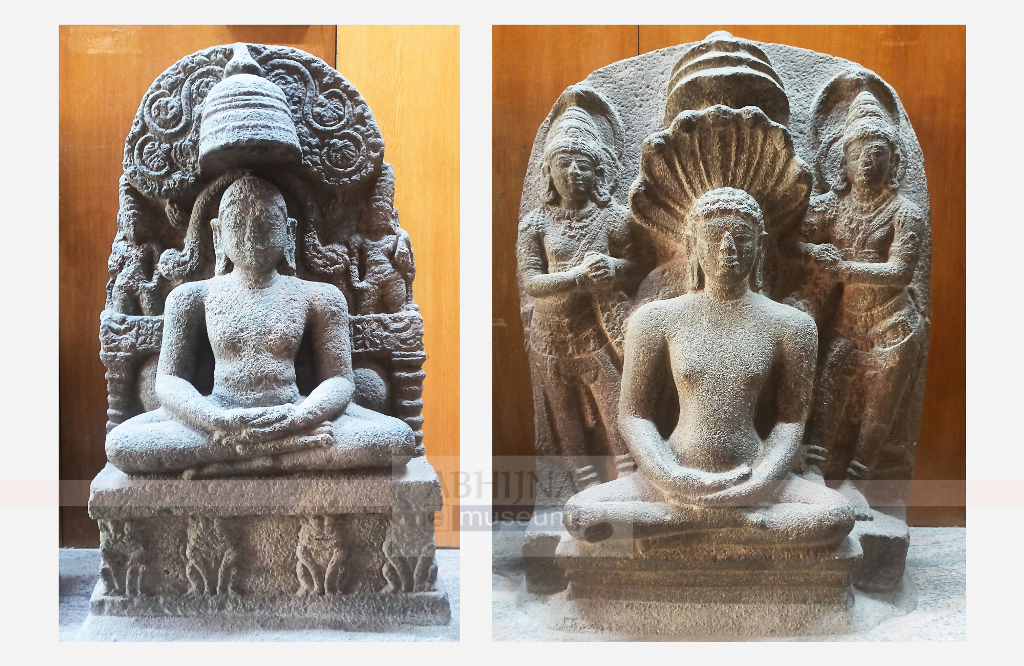
The Government Museum’s Jain sculpture collection is especially important. The sculptures can be broadly associated with three geographical regions: present-day Tamil Nadu, Karnataka, and Andhra Pradesh. A substantial group originated from Danavulapadu in present-day Andhra Pradesh, a site associated with important Jain remains. The discovery of Jain architectural and sculptural remains found at the site provided strong archaeological evidence of Jainism’s historical presence and development in the region. (Srikavya, 2026, pp. 682-689)
The Danavulapadu material represents different phases of Jain artistic development. Some sculptures date to approximately the 10th century CE and show characteristics of the Rashtrakuta artistic tradition, while later examples reflect the Vijayanagara artistic tradition. (ICONOGRAPHY OF THE JAIN IMAGES IN THE GOVERNMENT MUSEUM CHENNAI, 2020) The collection includes representations of Jain Tirthankaras, Yakshis, devotees and memorial monuments, thereby providing evidence of both religious iconography and the social dimensions of Jain communities.
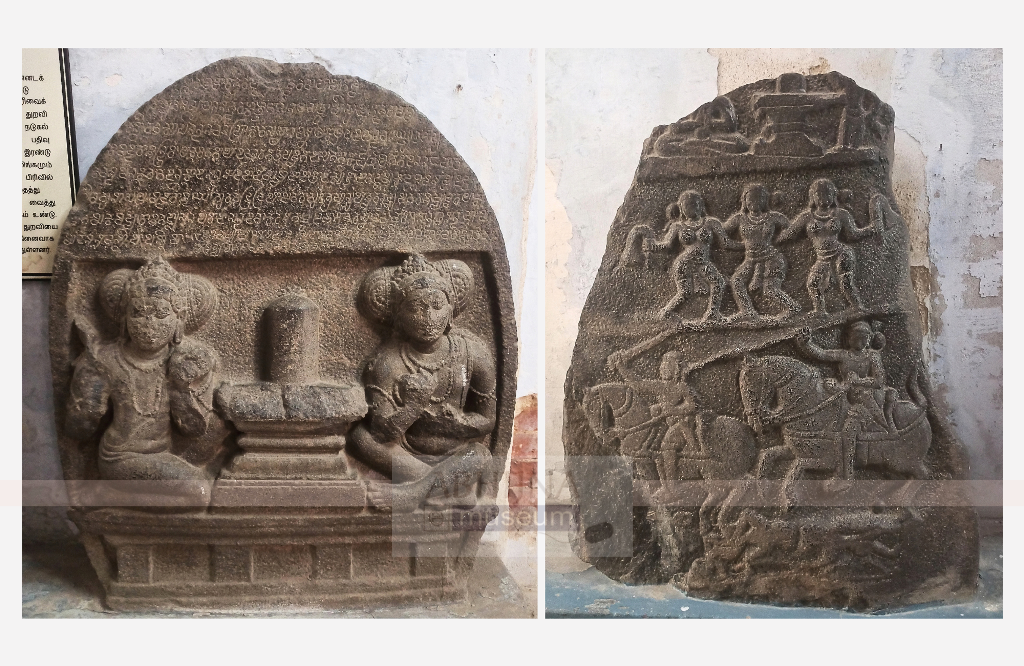
Especially noteworthy among these are the Nishidhi memorial pillars. Nishidhi stones were erected in memory of Jain individuals who undertook the religious practice of Sallekhana, a ritual fast undertaken at the end of life according to Jain religious traditions. (Parasher-Sen, 2011, pp. 151-174) These memorial stones frequently contain sculptural representations and inscriptions that record the identity and sacred significance of the individual commemorated. Such objects are important not only as works of sculpture but also as historical records of religious practice, community life and patronage.
The museum’s collection of memorial stones constitutes another important category of material heritage. Communities erected memorial stones in memory of individuals whose lives or deaths they considered significant. This broad category includes hero stones, sati stones, Jain Nishidhi stones, and other commemorative monuments. Their inscriptions and sculptural panels furnish valuable information about individuals, social customs, warfare, religious beliefs and community values.
Hero stones, for example, commemorate individuals who died performing heroic acts, such as fighting in battle or defending cattle and communities. The sculptural representation often depicts the hero engaged in combat, followed by scenes suggesting his ascent to the heavenly realm and association with a deity. The presence of the Sun and Moon in some representations symbolises the lasting nature of the hero’s fame. (Jadhav, 2023, pp. 31-37) Such stones therefore combine historical memory, religious belief and artistic representation.
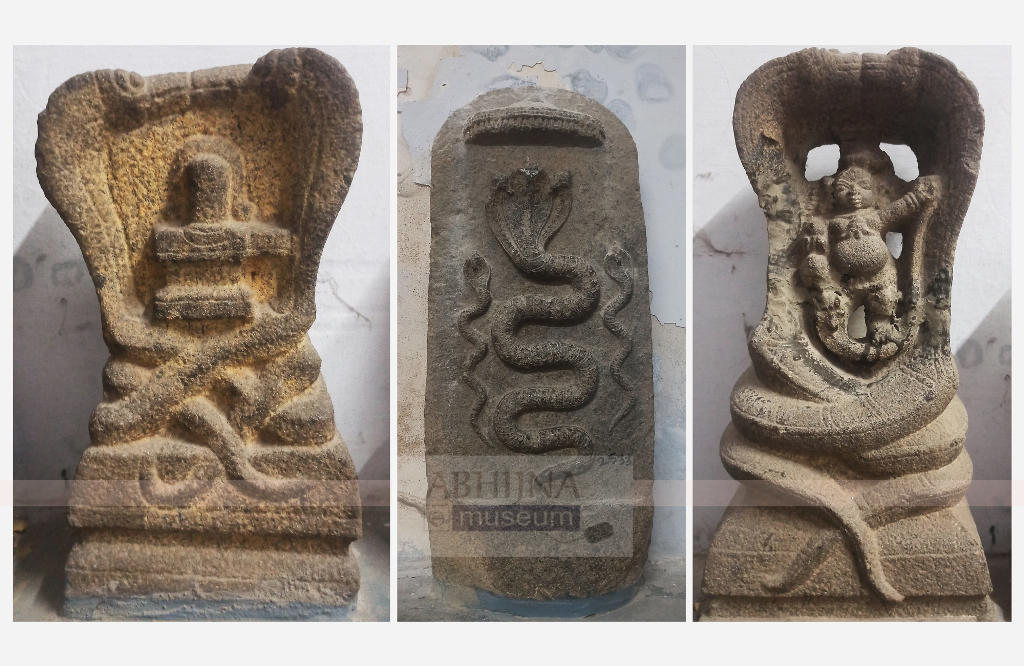
Naga or snake stones represent another category of popular religious and commemorative sculpture found in South India. These stones generally depict serpents or Naga figures and are associated with beliefs concerning fertility, protection and the sacred nature of the serpent. Their association with sacred trees, temples and local religious practices demonstrates the close relationship between sculptural traditions and popular belief systems. (Allocco, 2009)
Sati stones, or memorial stones commemorating women who died on their husbands’ funeral pyres, constitute another historically significant but socially complex category. These monuments were created within the historical background of the practice of sati and commonly depict the raised hand of the deceased woman decorated with bangles, sometimes accompanied by representations of her husband, deities, the Sun and Moon or inscriptions. (HG, 2019, pp. 2109-2120) While these objects must be interpreted critically within their historical and social contexts, they provide important evidence for comprehending historical attitudes towards marriage, widowhood, gender, religious belief and memorialisation.
The Museum Theatre further illustrates the institution’s historical function as a centre of cultural and educational activity. Its architectural importance is complemented by its potential as a venue for lectures, performances, educational programmes, demonstrations and other public activities. This reflects an important principle of modern museology: a museum is not simply a repository for objects but an energetic institution that creates opportunities for learning, cultural sharing and public participation.
The museum has also traditionally maintained a Children’s Museum, with educational displays on world civilisations, costumes, dolls, science, transport, technology, and philately. Such facilities demonstrate the museum’s devotion to developing age-appropriate interpretation and encouraging children to engage with collections through observation, exploration, and experiential learning.
Conservation and collection care constitute another essential dimension of the museum’s institutional responsibility. The museum’s history demonstrates the importance of preventive conservation, emergency preparedness, documentation, storage management, security, environmental control and regular condition assessment. The conservation facilities associated with the Bronze Gallery further demonstrate recognition that preserving collections is an integral part of museum practice.
The Government Museum, Chennai, therefore represents far more than an assemblage of historical objects. It represents the interconnected relationship between collections, architecture, scholarship, conservation, education and public memory. Its collections provide multiple perspectives on India’s past—from archaeological and religious traditions to economic history, artistic achievement, natural history, ethnographic practices and systems of social remembrance.
The significance of the Madras Museum ultimately consists in its capacity to bring together different forms of knowledge within a single cultural institution. Its archaeological sculptures reveal the development of artistic and religious traditions; its bronzes demonstrate the sophistication of South Indian craftsmanship; its coins illuminate political and economic history; its Jain, hero and memorial stones reveal systems of belief and social memory; its ethnographic collections document community life; and its natural-history collections provide an understanding of the biological as well as geological environment.
With more than 175 years of institutional history, the Government Museum, Chennai, acts as an important landmark in the evolution of museum practice in India. It is simultaneously a repository of material heritage, a centre of research and conservation, an architectural heritage complex, an educational institution and a space for public engagement. Its continuing importance lies in its ability to connect objects with people, history with memory, and material culture with the wider narratives of civilisation and society.
References
- (2024). Government Museum, Chennai. Wikipedia. https://en.wikipedia.org/wiki/Government_Museum,_Chennai
- (2026). Government Museum, Chennai. Chennai District. https://chennai.nic.in/tourist-place/government-museum/
- (2024). Government Museum, Chennai. Wikipedia. https://en.wikipedia.org/wiki/Government_Museum,_Chennai
- (May 3, 2010). Thurston’s days at Madras Museum. The New Indian Express. https://www.newindianexpress.com/amp/story/cities/chennai/2010/May/03/thurstons-days-at-madras-museum-162136.html
- Aiyappan, A. (1952). The Madras Museum in its Centenary Years. Museum International 5(1), pp. 24-27. https://doi.org/10.1111/j.1468-0033.1952.tb00171.x
- (May 3, 2010). Thurston’s days at Madras Museum. The New Indian Express. https://www.newindianexpress.com/cities/chennai/2010/May/03/thurstons-days-at-madras-museum-162136.html
- Ramaswamy, R. S. (1996). The Government Museum, Chennai: A Historical Overview. Oxford University Press. https://www.oup.com/academic/product/the-government-museum-chennai-9780195640190
- (2026). Government Museum, Chennai. Culture Atlas. https://cultureatlas.in/museum/government-museum-chennai
- (n.d.). Government Museum, Chennai. Wikipedia. https://en.wikipedia.org/wiki/Government_Museum%2C_Chennai
- (March 24, 2024). Government Museum, Chennai. Live Chennai. https://www.livechennai.com/detailnews.asp?catid=108&nav=n&newsid=73938
- (n.d.). NATARAJA – Tiruvalangadu. Government Museum. https://govtmuseumchennai.org/museum-section/saivite-bronzes/nataraja-tiruvalangadu
- Kannan, R. & India, G. M. (2003). Manual on the Numismatic Gallery in the Government Museum, Chennai: Typological, Descriptive, and Chronological Catalogue on Coins and Medals. Government Museum. https://www.si.edu/object/siris_sil_894498
- Srikavya, P. (2026). UNEARTHING THE FORGOTTEN JAIN LEGACY OF DANAVULAPADU: A multidisciplinary exploration of religious confluence in the Kadapa region. International Journal of Research and Analytical Reviews 13(2), pp. 682-689. https://doi.org/10.56975/ijrar.v13i2.335038
- (2020). ICONOGRAPHY OF THE JAIN IMAGES IN THE GOVERNMENT MUSEUM CHENNAI. Government Museum. https://govtmuseumchennai.org/uploads/topics/16567464325202.pdf
- Parasher-Sen, A. (2011). Bearing History—Women, Death and the Jaina Ritual of Sallekhanā. South Asia: Journal of South Asian Studies 34(2), pp. 151-174. https://doi.org/10.1080/00856401.2011.587452
- Jadhav, A. (2023). Hero-Stones: Symbols of Commemorations and Sacrifices. Journal of Asiatic Society for Social Science Research, 5(1), pp. 31-37. https://www.asssr.in/index.php/jasssr/article/view/79
- Allocco, A. L. (2009). Snakes, Goddesses, and Anthills: Modern Challenges and Women’s Ritual Responses in Contemporary South India. Emory Theses and Dissertations. https://doi.org/10.13140/RG.2.1.3660.6240
- HG, R. (2019). Sati Memorial Stones of Vijayanagara Period—A Study. History Research Journal 5(6), pp. 2109-2120. https://thinkindiaquarterly.org/index.php/hrj/article/view/15081