
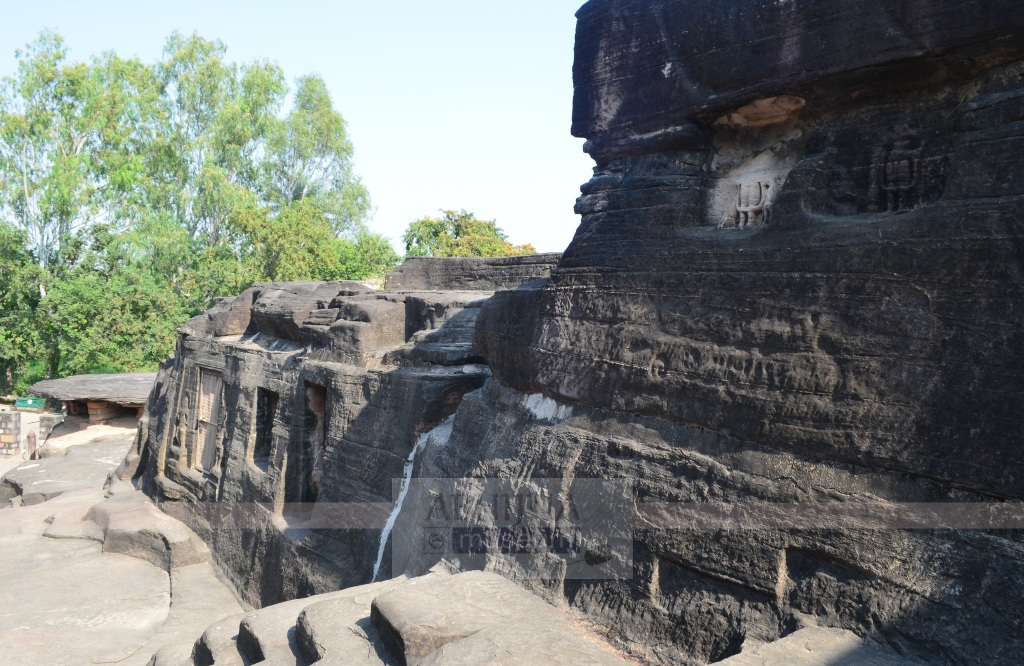
The Udayagiri Hills Caves are one of the most important archaeological and religious monuments of early historic India. Located near Vidisha in Madhya Pradesh, approximately 4 km west of Vidisha, 13 km from Sanchi, and about 60 km northeast of Bhopal, the caves are set on a sandstone hill overlooking the confluence of the Betwa and Bes (Besh) Rivers. The name Udayagiri, meaning “Hill of Sunrise,” reflects both the site’s elevated topography and its sacred associations with solar symbolism and royal ritual.
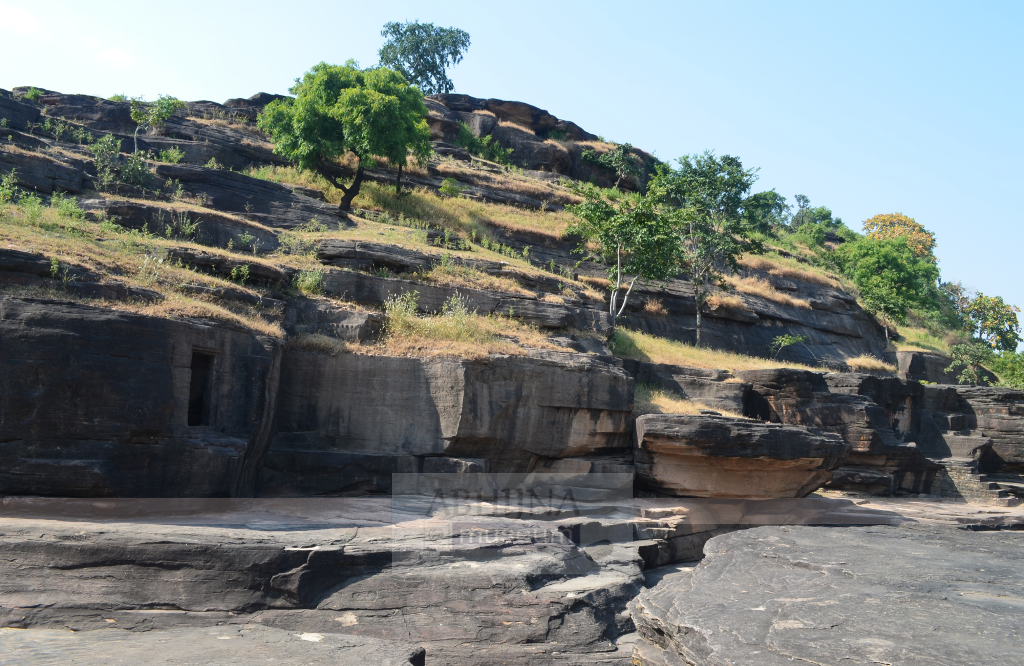
The site comprises a group of approximately twenty rock-cut caves, excavated and sculpted mainly between the late fourth and early fifth centuries CE during the reign of the Gupta emperor Chandragupta II Vikramāditya (c. 375–415 CE). These caves are among the earliest surviving Hindu rock-cut sanctuaries in India, although one cave is dedicated to Jainism. Together they represent a crucial stage in the development of Hindu temple architecture, religious iconography, and Gupta imperial art. The complex is protected by the Archaeological Survey of India (ASI) and is recognised as one of the most significant archaeological sites of the Gupta period.
Historical Background:
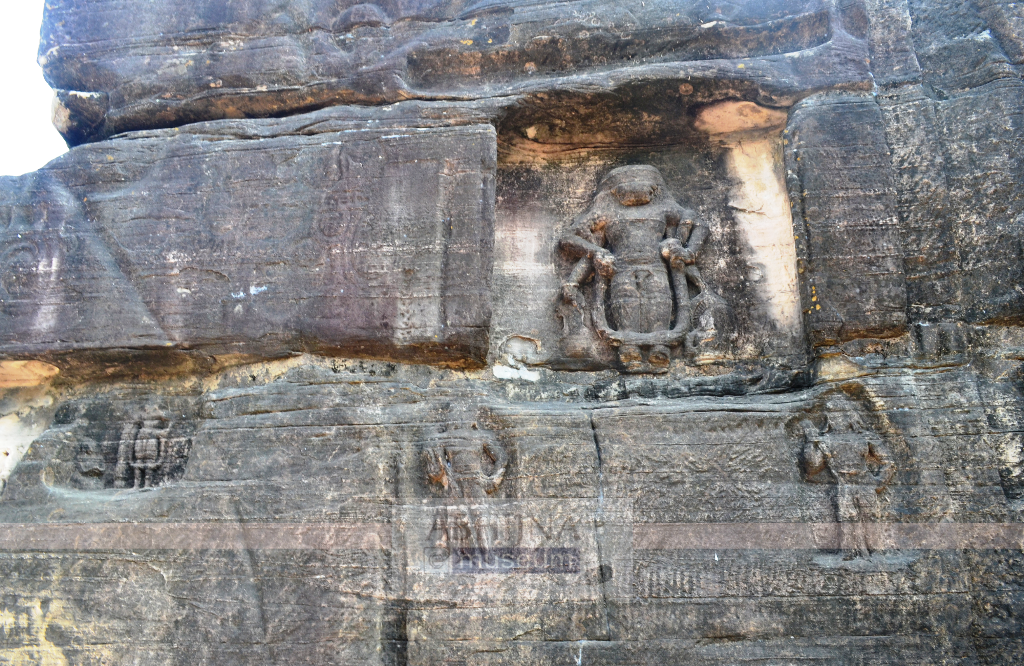
Udayagiri flourished during the Gupta Empire, an era often described as the “Golden Age” of classical Indian civilisation. The caves were not merely places of worship but formed part of a carefully planned sacred landscape associated with imperial patronage. Contemporary inscriptions found within the caves record the activities of Vīrasena, a minister of Chandragupta II, and provide direct evidence linking the monument with the Gupta court. This makes Udayagiri unique among early Hindu temple sites, as it is one of the few monuments securely associated with a Gupta monarch through dated inscriptions.
The caves demonstrate the close relationship between religion and kingship during the Gupta period. Through monumental sculptures of Viṣṇu, Śiva, and other deities, the Gupta rulers projected themselves as protectors of dharma (cosmic order), while simultaneously promoting Vaiṣṇava and Śaiva religious traditions.
Architectural Features:
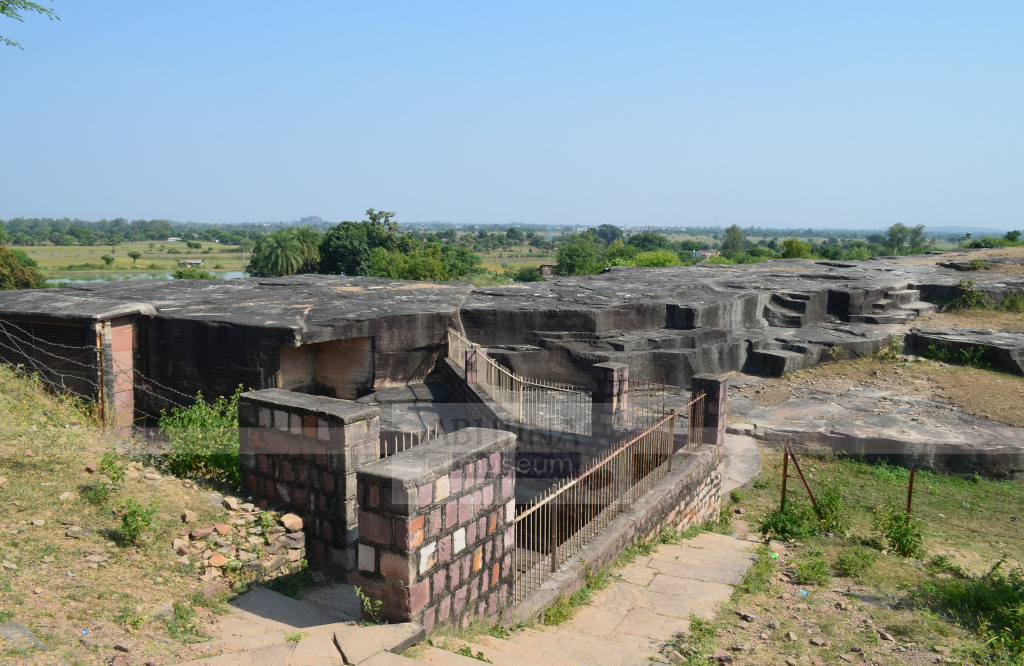
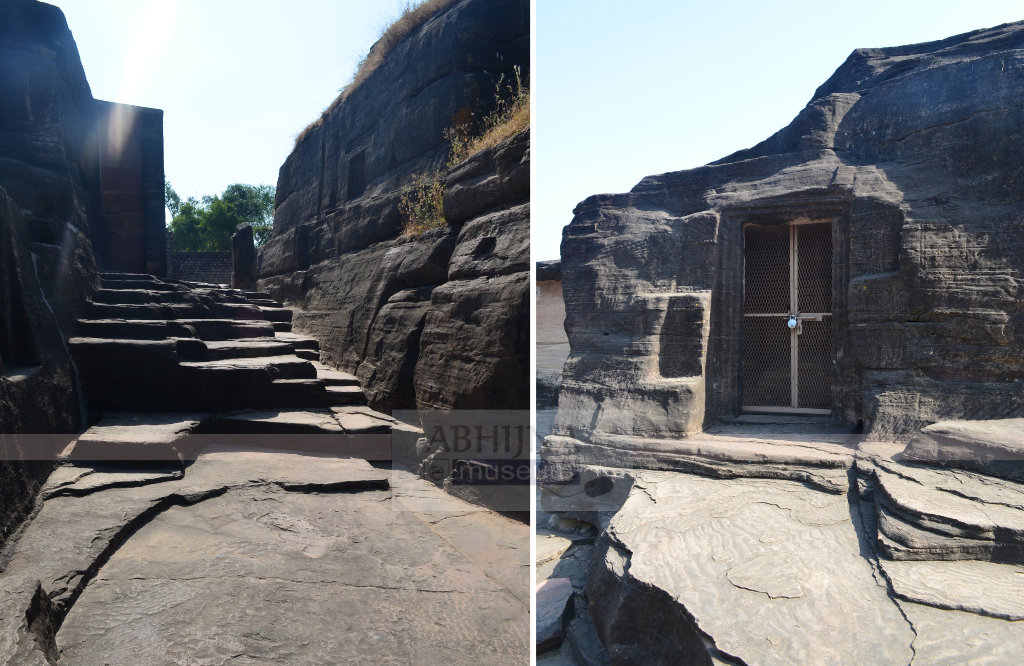
The Udayagiri complex consists of rock-cut shrines excavated directly into the sandstone hillside. Although relatively modest in architectural scale compared to later cave complexes such as Ajanta or Ellora, the caves are historically significant for preserving some of the earliest examples of Hindu cave temples.
Characteristic architectural features include:
- Rock-cut sanctuaries with simple square plans.
- Pillared verandas and shrine chambers.
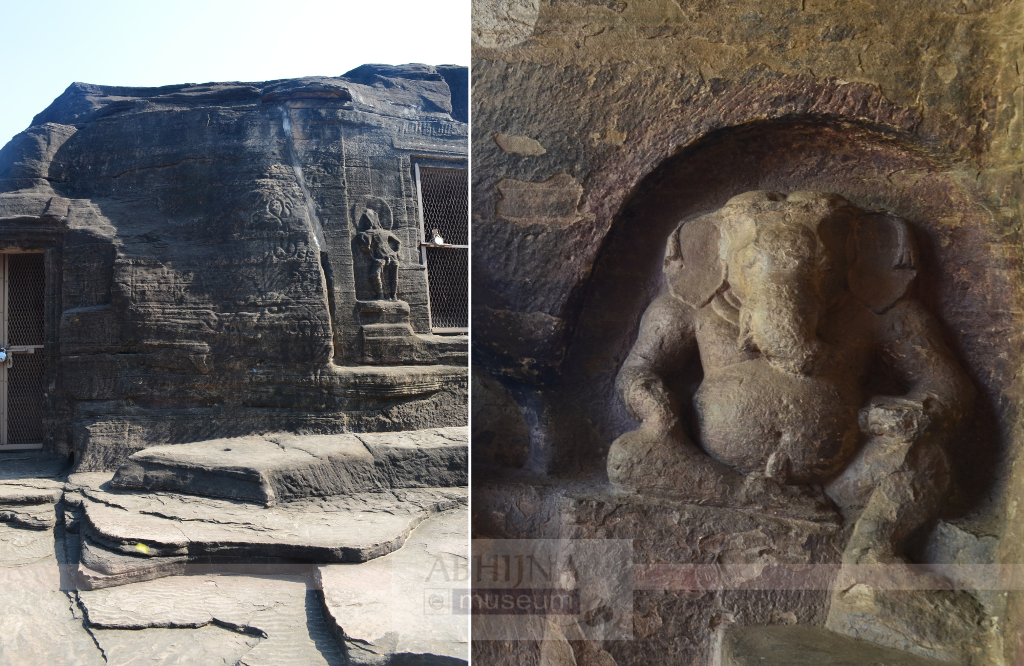
- Sculptured doorways decorated with river goddesses and guardian figures.
- Early forms of temple façades that anticipate later structural temple architecture.
- Numerous inscriptions in Sanskrit written in the Gupta Brāhmī script.
The caves illustrate the transition from simple rock shelters to architecturally conceived temple spaces dedicated to Hindu worship.
Major Caves – Among the twenty caves, several are of exceptional artistic and historical importance:
- Cave 5 contains the monumental Varāha relief, depicting Viṣṇu in his boar incarnation rescuing the Earth Goddess (Bhūdevī). This colossal sculpture is regarded as one of the masterpieces of Gupta art.
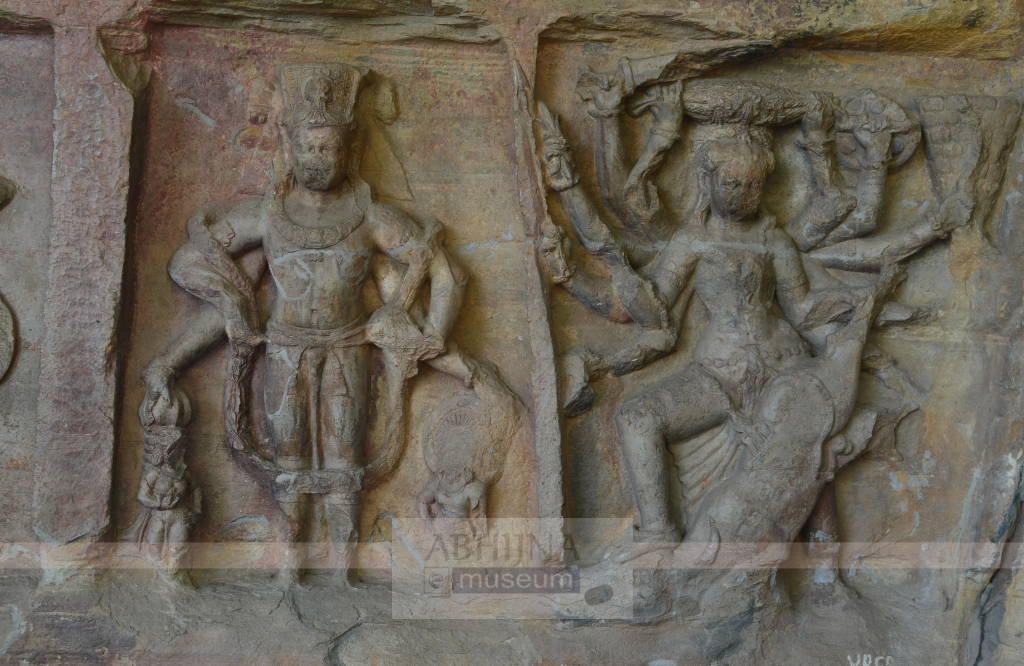
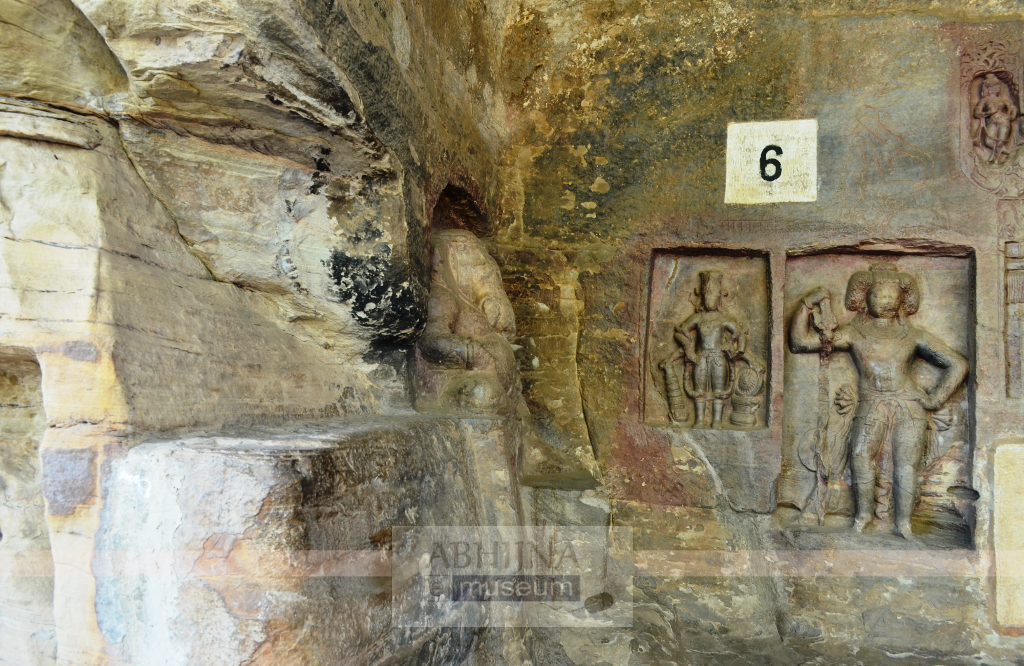
- Cave 6 houses sculptures of Viṣṇu, Gaṇeśa, and Mahīṣāsuramardinī, demonstrating the growing prominence of Hindu iconography.
- Cave 13 contains the famous Anantaśayana (Reclining Viṣṇu), illustrating the god resting upon the cosmic serpent Śeṣa.
- Cave 19 is among the largest caves in the complex and preserves architectural features that foreshadow later Hindu temple design.
- Cave 20 is dedicated to Jainism and contains an image of Pārśvanātha, illustrating the religious diversity that characterised Gupta patronage.
Artistic Importance:
The sculptures of Udayagiri represent the emergence of the classical Gupta style, characterised by harmonious proportions, idealised anatomy, calm facial expressions, restrained ornamentation, balanced compositions, and spiritual serenity.
These qualities distinguish Gupta sculpture from the more robust forms of the earlier Kuṣāṇa period and establish artistic conventions that profoundly influence later Indian temple sculpture.
The monumental Varāha relief, the reclining Viṣṇu, and the sculptured guardians exemplify the integration of architecture, sculpture, and religious symbolism into a unified artistic programme.
Religious Significance:
Udayagiri served as an important centre of Vaiṣṇava, Śaiva, and Jaina worship. The predominance of images of Viṣṇu—including Varāha and Anantaśayana—reflects the growing importance of Vaiṣṇavism under Gupta patronage. At the same time, sculptures of Śiva and Jain tīrthaṅkaras demonstrate the coexistence of multiple religious traditions within the sacred landscape.
The site also possesses cosmological significance. Modern scholarship suggests that the orientation of certain caves and the hill’s relationship with the rising sun may have been deliberately planned to reinforce ritual observances and imperial ceremonies.
Epigraphic Importance:
One of the most valuable aspects of Udayagiri is its inscriptions. The Sanskrit inscriptions, engraved in Gupta Brāhmī script, provide direct historical evidence regarding:
- the reign of Chandragupta II,
- Gupta administration,
- religious patronage,
- the activities of royal officials,
- and the establishment of Hindu sanctuaries.
These inscriptions are among the earliest documents linking royal authority with temple construction and Vaiṣṇava ideology.
Archaeological Significance:
The Udayagiri Hills constitute one of India’s most significant archaeological landscapes because they preserve:
- some of the earliest Hindu rock-cut temples;
- monumental Gupta sculpture;
- contemporary inscriptions;
- early Sanskrit epigraphy;
- evidence of sacred landscape planning;
- rock shelters, water-management features, and ancient habitation remains.
For historians of Indian art, religion, and architecture, Udayagiri marks the transition from early rock-cut shrines to the fully developed structural temples that flourished in subsequent centuries.
Selected References
- Agrawala, V.S. (1963) Gupta Art. Varanasi: Prithivi Prakashan.
- Harle, J.C. (1994) The Art and Architecture of the Indian Subcontinent. 2nd edn. New Haven: Yale University Press.
- Michell, G. (1988) The Hindu Temple: An Introduction to Its Meaning and Forms. Chicago: University of Chicago Press.
- Willis, M.D. (2009) The Archaeology of Hindu Ritual: Temples and the Establishment of the Gods. Cambridge: Cambridge University Press.
- Williams, J.C. (1982) The Art of Gupta India: Empire and Province. Princeton: Princeton University Press.
Web Resources
- District Administration, Vidisha. Udayagiri Caves. Available at: https://vidisha.nic.in/en/tourist-place/udaigiri-cave/ (Accessed: 12 July 2026).
- Madhya Pradesh Tourism. Vidisha, Gyaraspur & Udayagiri Caves. Available at: https://www.mptourism.com/vidisha-gyaraspur-udaigiri-caves.html (Accessed: 12 July 2026).
- Archaeological overview of Udayagiri Caves. Available at: https://en.wikipedia.org/wiki/Udayagiri_Caves (used only for general orientation; primary interpretations should rely on scholarly works such as Willis and Williams).